Home » PPF Plastic Protection: Soft Black Trim, B-Pillars, and High-Traffic Areas
Recent Posts
PPF Plastic Protection: Soft Black Trim, B-Pillars, and High-Traffic Areas
Let’s be honest for a second.
When most people think about Paint Protection Film (PPF), they picture rock chips on a hood. That’s why PPF became popular in the first place—protecting that front bumper from gravel spray on the highway. And yeah, that’s still a huge part of the story. But here’s the thing nobody really warns you about: the soft black plastic on your car is probably aging faster than your paint. And it’s way more obvious.
Glossy black B-pillars, piano black center consoles, luggage sill plates, door handle cups, unpainted exterior trims—these are the spots that take a beating just from daily life. Not from road debris at 70 mph, but from your own fingernails, a microfiber towel that wasn’t quite clean enough, loading a suitcase into the trunk, or just wiping dust off the dashboard. And once those swirl marks show up on black plastic, they stick out like a sore thumb.
That’s where PPF for plastic changes the game.
In this article, we’re diving into everything you need to know about protecting plastic trim with PPF. We’ll talk about why black plastic is so fragile, which areas are most vulnerable, how a good TPU film works, and why Decowell Film has become the go-to choice for drivers who want their cars to stay flawless—plastic parts included.
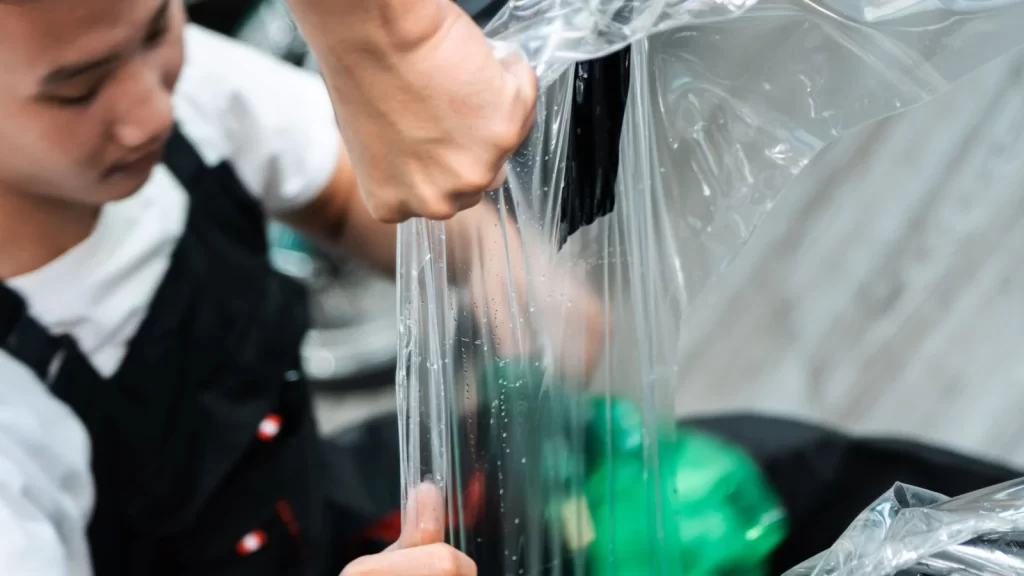
Table of Contents
Why Black Plastic Is a Magnet for Scratches (and Why It Drives You Crazy)
If you’ve owned a modern car, you already know what I’m talking about. Automakers love glossy black plastic. It looks premium on the showroom floor. It makes the interior feel upscale, and on the exterior, those shiny B-pillars between the front and rear windows give the car a sleek, continuous look.
But here’s the dirty secret: that glossy black plastic is soft. Really soft. Much softer than your car’s painted clear coat. In fact, it scratches if you look at it wrong.
One forum member perfectly described the struggle after seeing scratches appear on his B-pillars within the first week of ownership. He eventually had the paint corrected and Xpel put on the glossy black bits, but the lesson was learned early: piano black needs protection from day one.
Another owner noted that gloss trim can be polished and corrected much the same way paint can—but the plastic is so soft that the towel you use to wipe off polish residue will reintroduce the very scratches you just removed. It’s a never-ending cycle unless you break it with a physical barrier.
And it’s not just about looks. Those swirls and scratches lower resale value. A car with scratched-up B-pillars and a scuffed rear bumper doesn’t scream “well-maintained.” It screams “daily driver that’s been through some stuff.” Whether you plan to sell in three years or keep it for a decade, keeping those plastic panels flawless matters.
The High-Risk Zones: Where PPF for Plastic Makes the Biggest Difference
Not all plastic is created equal, and not every piece needs film. But if you’re going to pick your battles, here are the areas that suffer the most:
B-Pillars (Piano Black Exterior Trim)
This is enemy number one. The B-pillars are the vertical panels between your front and rear side windows, and on most modern cars, they’re finished in high-gloss black plastic. They’re also right at hand level when you’re loading kids, dogs, groceries, or just leaning in to grab something from the back seat. Every accidental brush with a jacket zipper, key, or fingernail leaves a mark.
One F-150 owner put it bluntly: “Piano black scratches just looking at it”. Another Focus RS owner said, “The b pillars are soft black plastic which are prone to scratches” and recommended paint correction followed immediately by PPF, because “it’s a waste to do paint correction on that portion because after you wash it, it’s just going to scratch again”.
Piano Black Interior Trim
Inside the cabin, the same problem exists. Dashboard trims, center consoles, gear shift surrounds, and door switch panels often feature glossy black plastic. And inside, the damage comes from even more sources: rings, watches, keys left in cupholders, and regular dusting. One Audi owner reported covering all interior piano black trim with clear PPF, noting that now “you can wipe with microfiber all the time and not worry about the scratches”.
Door Handle Cups
This is an old-school PPF trick that’s been around for years, and for good reason. The painted area behind your door handle—right where your fingers naturally go to pull the door open—gets shredded by fingernails, rings, and keys over time. A small precut PPF patch in the door cup area is practically invisible but stops those scratches cold.
Luggage Area Strips and Rear Bumper Top
If you own an SUV, hatchback, or crossover, the top of the rear bumper is a damage zone. Loading and unloading groceries, strollers, sports equipment, suitcases, or camping gear—every slide, every scrape, every clumsy drop chips away at that plastic or painted surface. One SUV-focused film manufacturer describes the rear bumper top as a “prime scratch zone” from luggage, pushchairs, sports equipment, or pets, and notes that a discreet strip of PPF can prevent long-term cosmetic damage in this high-contact area.
Unpainted Exterior Plastic Trim
Not all exterior trim is painted. Many cars have unpainted black plastic on rocker panels, lower bumpers, wheel arch flares, and mirror bases. This stuff fades and oxidizes under UV exposure. While dressings and protectants offer temporary relief, they need constant reapplication. The long-term fix? Covering that unpainted trim with PPF protects it from UV and physical wear. One forum member actually wrapped deteriorating plastic side strips with PPF to hold them together and block sun damage, treating the film as both armor and structural support.
A-Pillars
The front pillars that frame your windshield also take a beating, especially on vehicles with more vertical front ends. While some owners skip them, others have started adding A-pillar coverage after seeing how much road grit accumulates there.
Door Edges and Sills
Door edges are vulnerable to parking lot dings against curbs or neighboring cars. Door sills take abuse from shoes scraping across them every time someone climbs in. PPF on both areas is cheap insurance.
A Quick Reality Check: No, Ceramic Coating Won’t Fix This
Before we go further, let’s clear up a common confusion.
A ceramic coating is great for making your car easier to clean, enhancing gloss, and protecting against chemical stains from bird droppings or bug guts. But it does almost nothing to stop physical scratches. Ceramic coatings are chemical barriers—they harden on top of your paint or plastic, but they’re measured in microns of thickness, not enough to block a fingernail or a key.
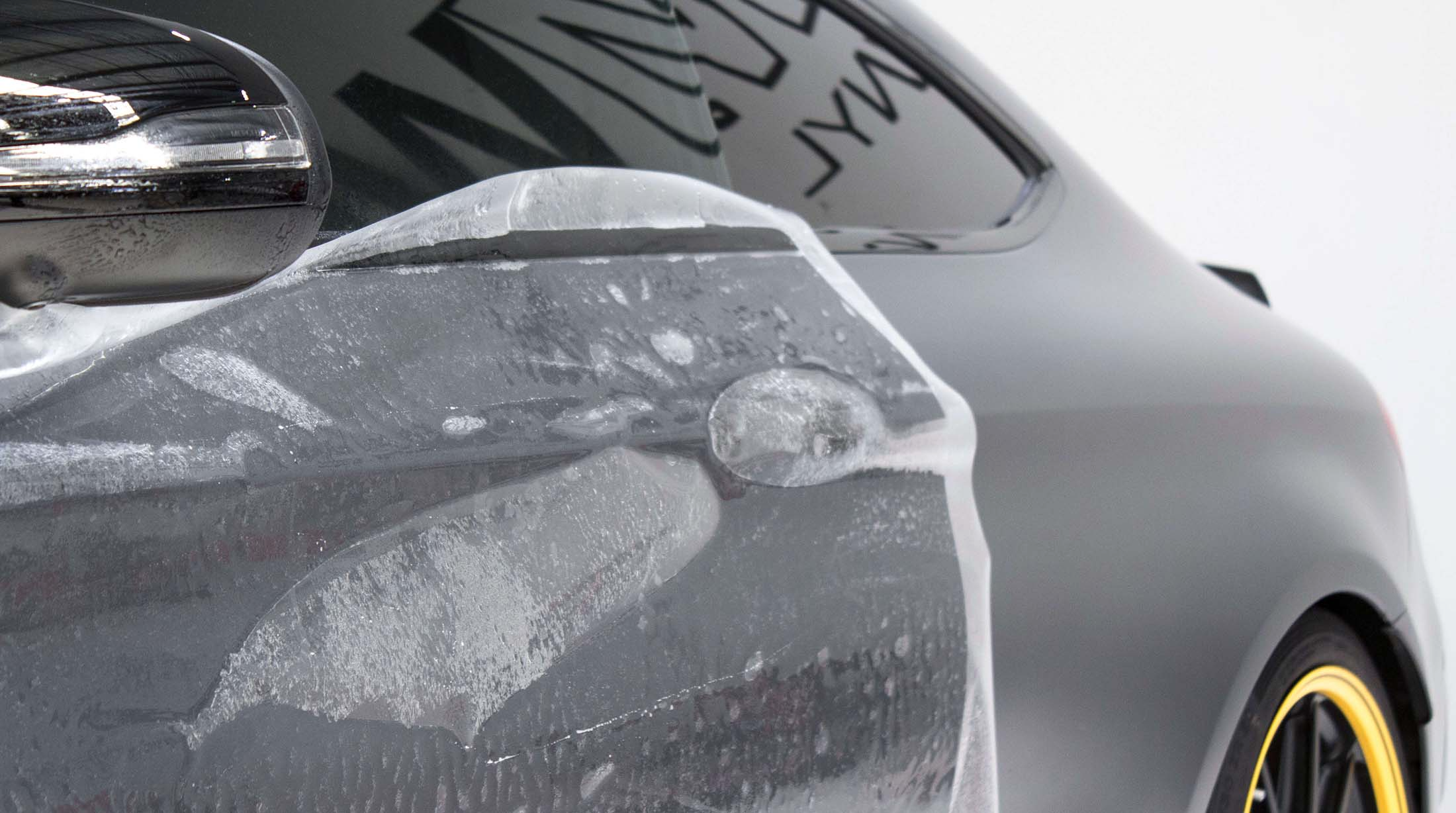
PPF, on the other hand, is a physical barrier. It’s a thick, flexible urethane layer that absorbs impact before the scratch reaches the surface below. Think of it like the difference between rain gear (ceramic) and body armor (PPF). Both have their place, and actually, combining PPF with a ceramic coating on top gives you the best of both worlds—physical protection from the film and hydrophobic self-cleaning properties from the coating. But if scratches and swirls are your primary concern, PPF is the only real answer.
What Makes Modern PPF Different from Old-School “Clear Bras”
If you remember the thick, yellowing “clear bras” from the early 2000s, forget everything you think you know. That stuff was PVC-based, and it had serious problems. It turned yellow under UV exposure, cracked over time, and looked more like a denture than a protective layer.
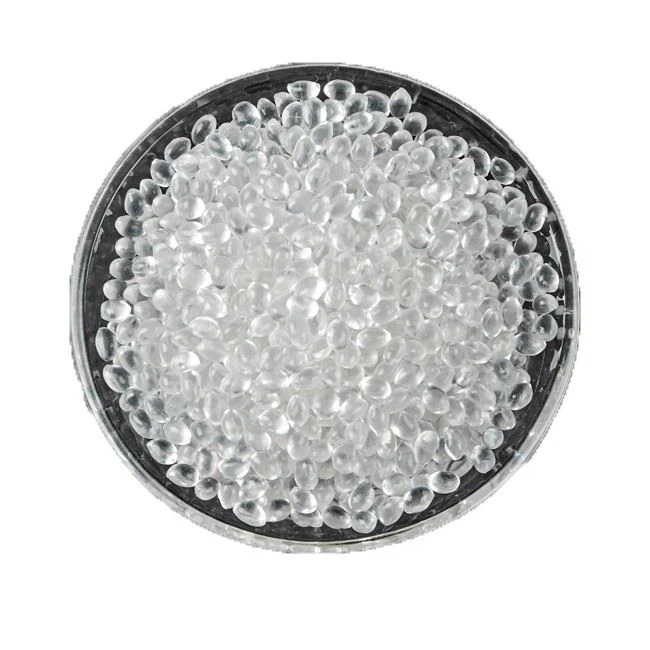
Today’s PPF is a completely different animal. The industry has shifted almost entirely to thermoplastic polyurethane, or TPU. Unlike rigid PVC, TPU is an elastomer. At a molecular level, its polymer chains can stretch and then return to their original shape. That’s what gives modern PPF its self-healing ability.
When a light scratch occurs on the film’s surface—essentially a displacement of those polymers—the introduction of heat (from sunlight, warm water, or a heat gun) excites the molecules. They relax back into their lowest-energy state, effectively closing the gap and erasing the swirl mark. It’s not magic. It’s just clever materials science.
And that self-healing property isn’t just a gimmick. On high-contact plastic areas like B-pillars and door cups, the film takes the hit and repairs itself over time. You stop worrying about every little brush against the car, because the film handles it.
High-quality TPU also resists yellowing. The best films use aliphatic TPU, a chemistry that doesn’t contain the aromatic rings that react with UV light to cause discoloration. That means your protection stays clear and invisible for years.
Decowell Film: What Sets It Apart
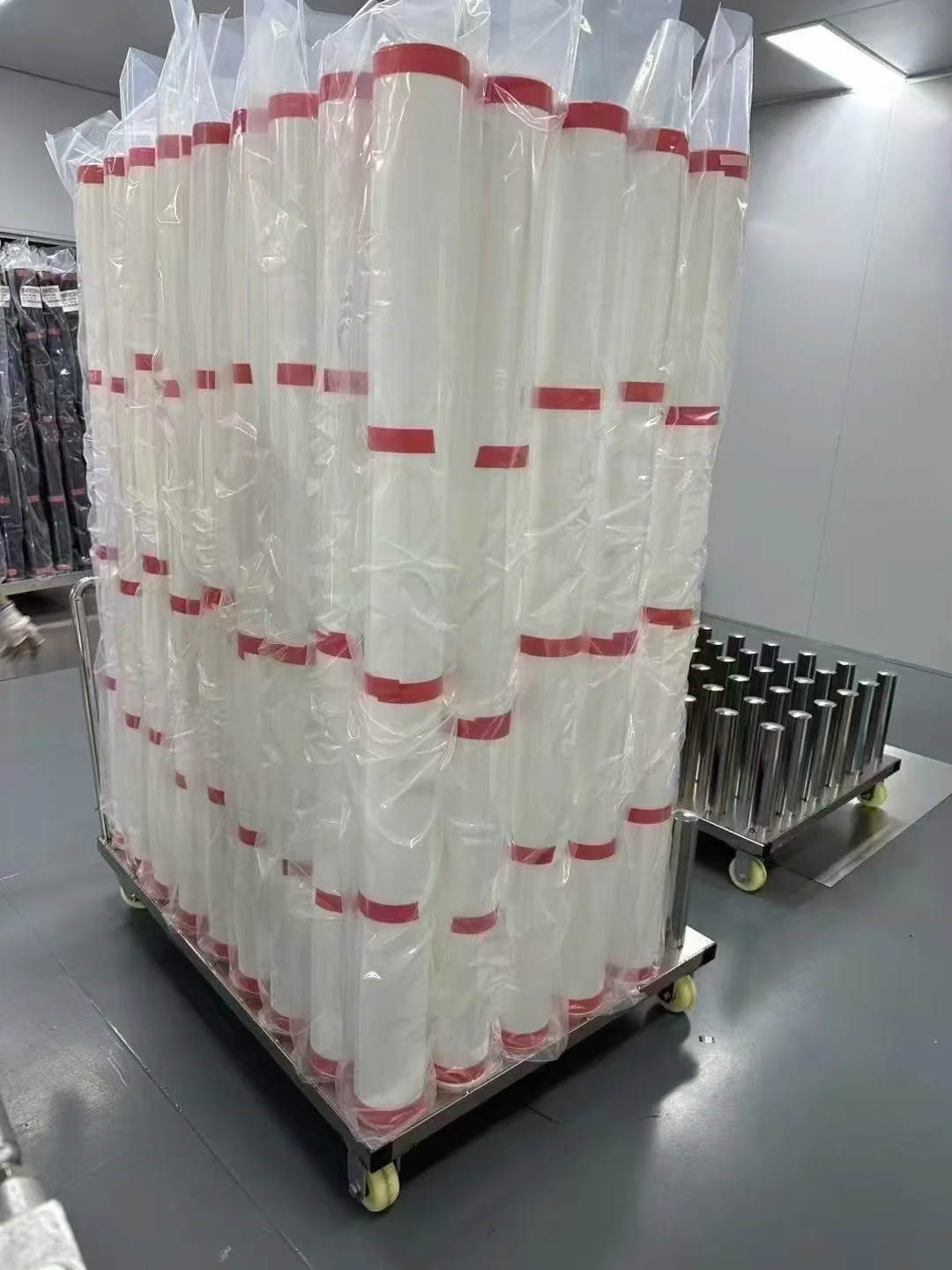
That brings us to Decowell Film. Not all PPF is created equal, and Decowell has earned a reputation for delivering serious protection where it matters most—especially on those tricky plastic surfaces that cheaper films struggle with.
Decowell’s film is built on high-grade TPU construction. That means:
Impact protection: The thickness and elasticity of the film absorb energy from rocks, debris, and accidental bumps before they reach the plastic or paint underneath.
Self-healing: Light scratches and swirl marks vanish with heat. On a black B-pillar that otherwise shows every imperfection, this is a game changer.
Gloss enhancement: Decowell Film actually makes glossy plastic look better, amplifying the depth and shine of the surface below.
UV stability: The film blocks ultraviolet radiation, which prevents both the plastic underneath and the film itself from fading or yellowing over time.
Hydrophobic top coat: Water beads up and rolls off, taking dirt and grime with it. That means fewer washes and less chance of rubbing scratches into the film during drying.
For plastic trim in particular, Decowell’s adhesive is formulated to bond securely even to surfaces that aren’t perfectly smooth. Some shops worry about PPF sticking to unpainted plastic textures, but Decowell’s film holds tight when properly prepped, giving you protection where other films might peel or bubble.
Is PPF Only for Paint? No—It Works on Plastic, Too
Here’s a question we hear all the time: Can you put PPF on plastic?
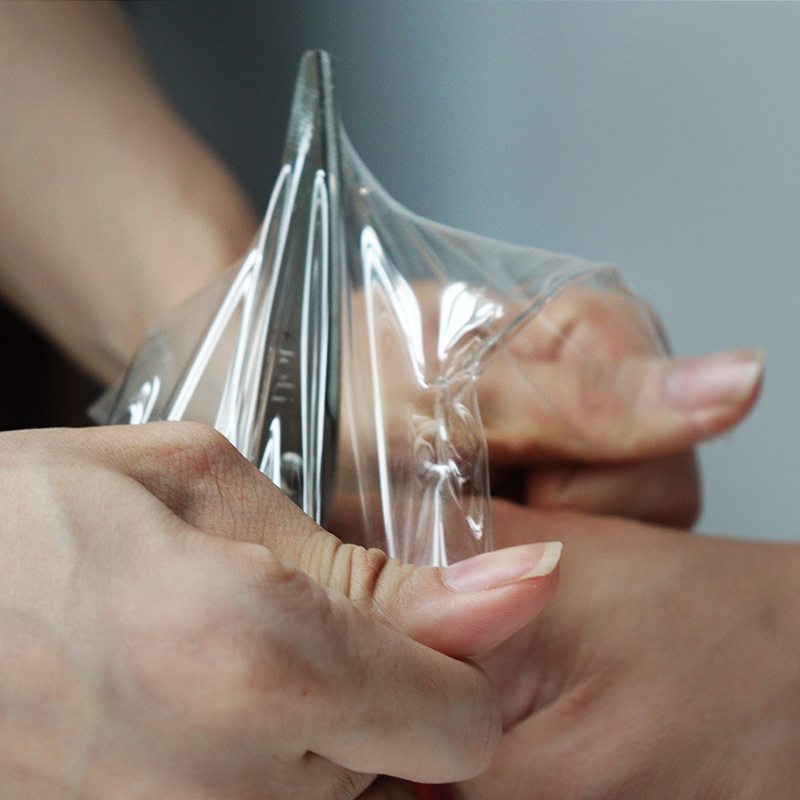
The short answer is yes. PPF can be applied to any smooth, clean surface. Painted plastics (like bumpers and mirror caps) are obvious candidates, but glossy bare plastics (like those piano black B-pillars and interior trim panels) also take film beautifully. The adhesive bonds directly to the plastic, and the film conforms to curves and contours with the help of a heat gun.
There are some caveats. Textured plastics—like the rough, pebbled finish on some lower bumpers or interior dashboards—are harder to stick to because the adhesive needs a smooth surface for full contact. But for glossy or painted plastics? Absolutely. And for softer plastics that swirl easily, PPF is arguably more useful than on paint, because those surfaces have no clear coat to protect them. The film becomes their clear coat.
Why You Shouldn’t DIY This (Even Though the Film Is Great)
Look, we love a good weekend project as much as anyone. But applying PPF to plastic trim—especially curved panels like B-pillars or complex interior pieces—is not a beginner-friendly task.
Installation requires:
Thorough surface decontamination and prep.
Precise cutting, either by hand or with a plotter (Decowell offers precision-cut templates for most vehicles, but that doesn’t mean the application is easy).
A fitting solution to activate the adhesive and let you position the film without it grabbing instantly.
A squeegee to work out bubbles and creases.
A heat gun to stretch the film around curves and activate the self-healing top coat for final bonding.
Patience. Lots of patience.
One Ford owner who tried a DIY B-pillar kit admitted, “bubbles in my first shot at it” and quickly decided to let a local shop handle it for a small fee. His conclusion was that professional installation was worth every dollar.
For small patches like door cups or luggage strips, a careful DIY approach can work. But for larger panels or any area where visibility matters (like glossy B-pillars that reflect every imperfection), pro install is the way to go. A bad PPF job with bubbles, dirt trapped underneath, or lifted edges looks worse than the scratches you were trying to cover.
Frequently Asked Questions
Q: Can PPF be applied to textured plastic trim?
A: It depends. Smooth, glossy plastics take PPF beautifully. But heavily textured unpainted plastics have a rough surface that prevents the adhesive from making full contact. Some installers can still make it work with extra prep and a more aggressive adhesive film, but for best results, stick to applying Decowell Film on smooth or painted surfaces.
Q: Will PPF yellow or discolor over time?
A: Cheap PVC-based films will. But Decowell Film uses high-grade aliphatic TPU, which resists yellowing from UV exposure. The film stays optically clear for years, preserving the look of your plastic trim without any amber tint.
Q: Can I put PPF on interior plastic, like a center console?
A: Yes. Interior PPF is actually growing in popularity. Piano black center consoles, dashboard trims, and door switch panels all benefit from film protection. The self-healing layer is especially useful inside the car, where rings, watches, and keys constantly contact the surface. One Audi owner covered all his interior piano black trim with PPF and hasn’t looked back.
Q: How long does PPF last on plastic trim?
A: With proper care, expect five to ten years of solid protection. The film’s longevity depends on environmental exposure, how often the car is washed, and whether the film is maintained with PPF-safe cleaners. Adding a ceramic coating on top of the PPF can extend that lifespan and make cleaning even easier.
Q: Is PPF worth it for a leased car?
A: Short answer: yes, if you want to avoid wear-and-tear charges at lease turn-in. Scratched B-pillars and scuffed bumper tops are common deductions on lease inspection reports. A relatively small investment in PPF on those high-traffic plastic areas can save you hundreds at the end of your lease term.
Q: Does PPF change the look of glossy black plastic?
A: If anything, it enhances it. Decowell Film has a high-gloss finish that deepens the shine of piano black trim. The film is optically clear, so the plastic’s original color and depth show through without distortion. Some lower-quality films have an “orange peel” texture that distorts reflections, but Decowell’s smooth top coat maintains a factory-like finish.
Q: Can I wash and wax a car with PPF on the plastic trim?
A: Yes, but stick to PPF-safe products. Avoid abrasive polishes or waxes containing harsh solvents that could damage the film’s top coat. A simple pH-neutral car soap and a soft microfober mitt are all you need. For extra gloss, use a spray sealant designed for PPF.
Q: What’s the difference between PPF and vinyl wrap for plastic protection?
A: Vinyl wrap is primarily for changing a car’s color or adding graphics. It’s thinner (around 2–4 mils) and offers only minimal impact protection. Vinyl also lacks self-healing properties and doesn’t block rock chips nearly as well as TPU-based film. PPF, on the other hand, is designed specifically for impact absorption and scratch resistance. If your goal is protection first, PPF is the right choice.
Q: How do I clean PPF on plastic without scratching it?
A: Use the two-bucket wash method: one bucket with soapy water, one with plain water for rinsing your mitt. Always use a high-quality, soft microfiber towel for drying. Avoid automatic car washes with spinning brushes, which can scratch even self-healing film if the brushes are dirty. For light dust or fingerprints, a quick detail spray and a plush microfiber cloth work fine.
Q: Does Decowell Film offer precut kits for specific plastic trim pieces?
A: Yes, Decowell provides precision-cut templates for most popular vehicle models, covering B-pillars, door cups, luggage strips, and interior trim panels. Precut kits remove the guesswork from DIY installation, though professional application is still recommended for the best results.
Q: Will heat from the sun activate the self-healing property on its own?
A: Absolutely. One of the best things about modern TPU film is that natural sunlight often provides enough heat to heal light scratches. Warm water during a car wash works too. For deeper scratches, a heat gun or hair dryer speeds up the process.
Q: Can I remove PPF later without damaging the plastic underneath?
A: Yes. Quality PPF uses acrylic adhesives designed for clean removal. A professional installer can heat the film to soften the adhesive and peel it away without leaving residue or damaging the plastic surface. That means you’re not committing forever—you can remove and replace the film if needed.
Why Protecting Plastic with PPF Is Smarter Than You Think
We spend a lot of time obsessing over paint. We talk about ceramic coatings, paint correction, and rock-chip protection on hoods and bumpers. But plastic trim—especially glossy black plastic—is often overlooked until it’s too late. By the time you notice the scratches, the damage is done. Polishing helps, but on soft plastic, it’s a temporary fix at best.
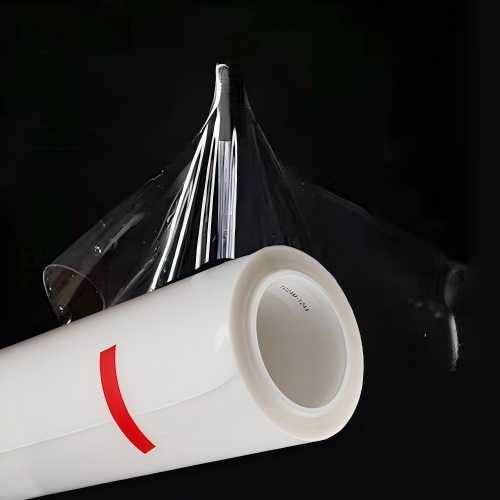
PPF changes the equation. Instead of fighting an endless battle against swirl marks, you install a sacrificial layer that takes the abuse for you. When the film gets scratched, the self-healing top coat repairs itself. When it gets really beat up after a few years, you replace just that piece of film—not the entire trim panel.
For daily drivers, family SUVs, and especially for anyone planning to sell their car down the road, protecting plastic trim with Decowell Film isn’t just about vanity. It’s about preserving value, reducing stress, and keeping your car looking the way it should: flawless.
Ready to Protect Your Plastic Trim?
If you’re tired of watching your B-pillars collect swirls or cringing every time you load luggage into the trunk, it’s time to make a change. Decowell Film offers the durability, clarity, and self-healing performance you need to keep your car’s plastic surfaces looking factory-fresh for years.
Contact us today to learn more about our PPF solutions for automotive trim, request a sample, or find a certified Decowell installer near you. Your B-pillars—and your resale value—will thank you.
Get in touch with Decowell Film for a quote or more information.