Home » Why Your Next Upgrade Should Be Car Windows Tinted
Recent Posts
Why Your Next Upgrade Should Be Car Windows Tinted
Let’s be real for a second. You’ve probably thought about tinting your car windows at some point. Maybe you saw a neighbor’s car looking sleek and sharp. Maybe you got into your car on a summer afternoon and felt like you were sitting in a pizza oven. Or maybe you just want a little more privacy when you’re stuck in traffic.
Whatever brought you here, you’re in the right place.
Car windows tinted with the right film is one of those upgrades that you don’t fully appreciate until you’ve had it—and then you wonder how you ever drove without it. It’s not just about making your car look good (though it definitely does that). It’s about comfort. It’s about protection. It’s about making every single drive better than the one before.
And here’s the thing—not all window films are created equal. The market for automotive tinting films keeps growing, and for good reason. People are finally catching on to what car enthusiasts have known for years: quality window tint changes everything.
Let’s get into it.
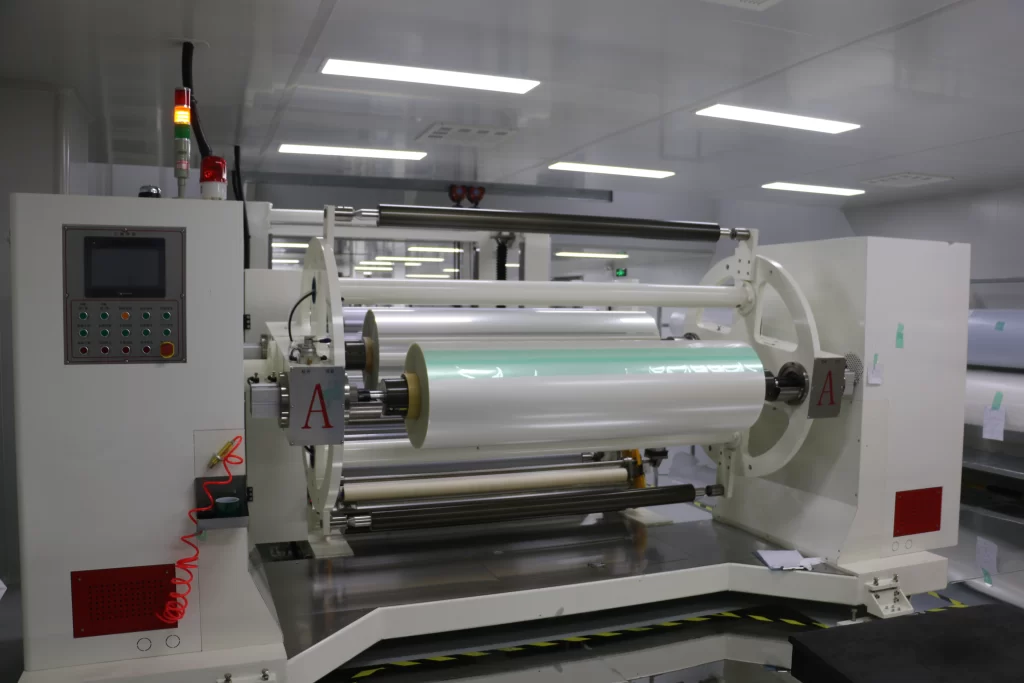
Table of Contents
What Happens When You Choose to Get Car Windows Tinted
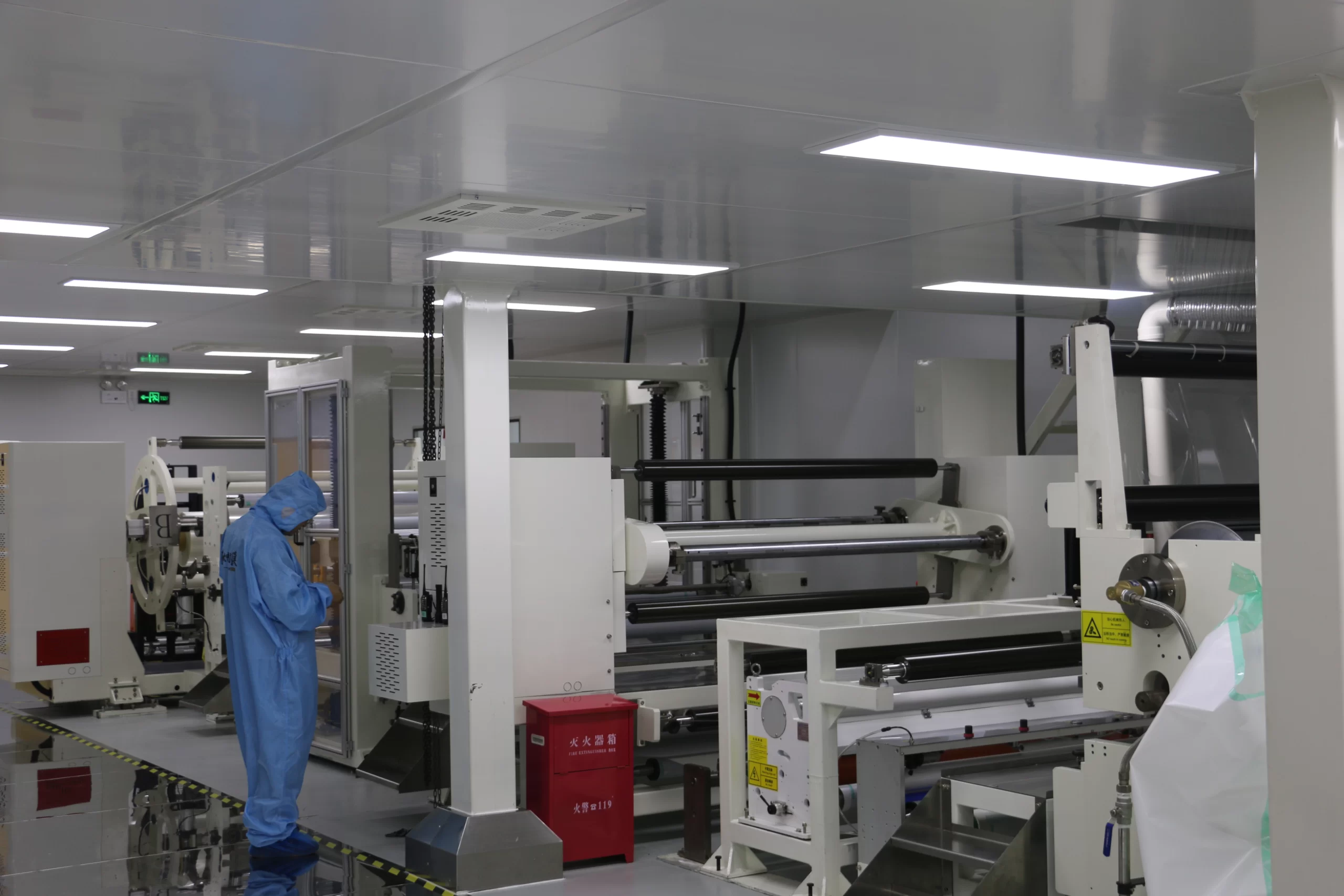
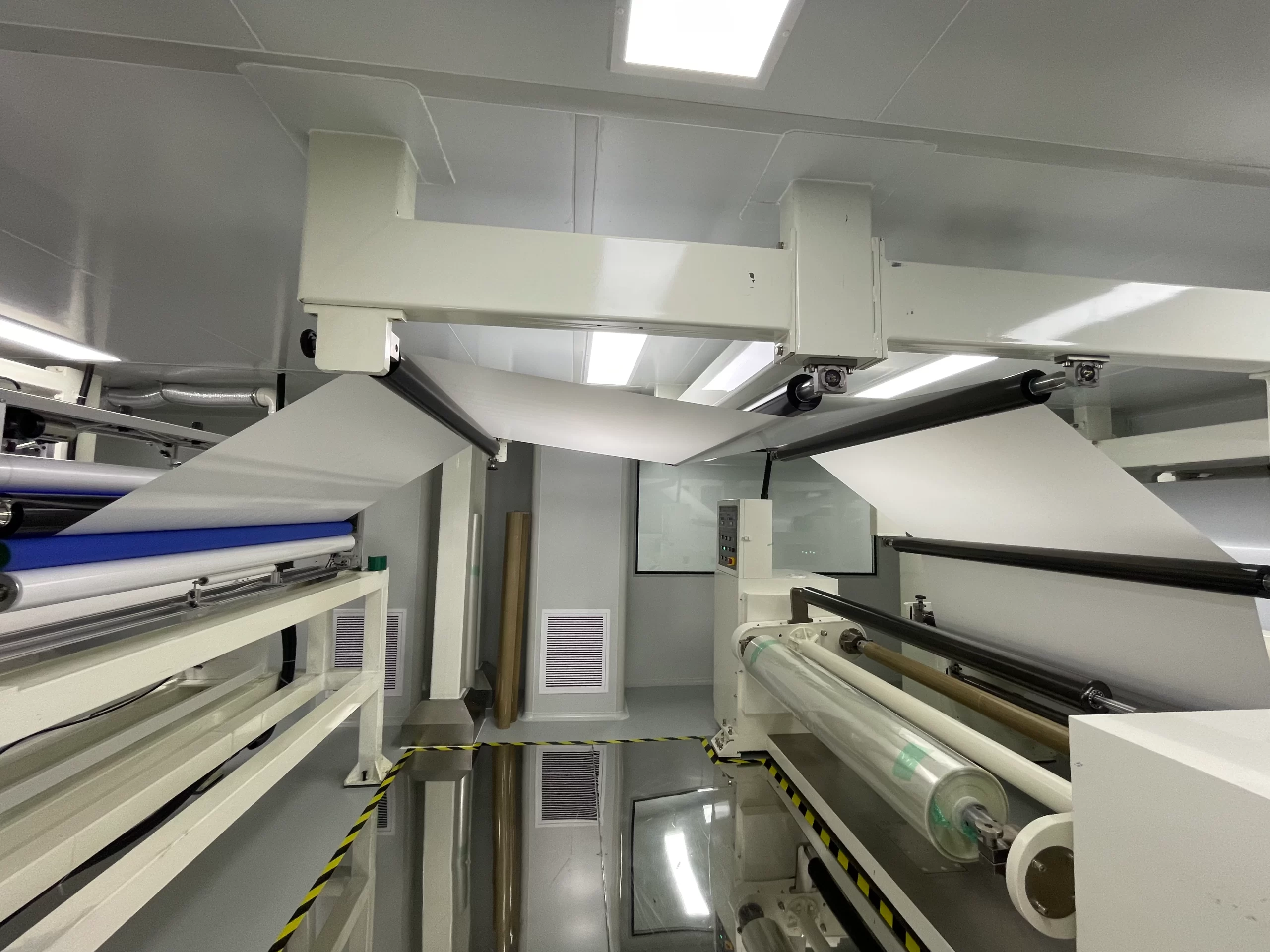
Most people think about tinting as just sticking a dark layer onto glass. But modern window film is way more sophisticated than that. Today’s high-performance films are engineering marvels—multiple layers of polyester film with specialized adhesives and UV inhibitors built right in.
Premium films incorporate advanced materials that selectively filter different wavelengths of light. That’s fancy talk for “they block the bad stuff and let the good stuff through.” You get heat rejection, UV protection, and glare reduction—all without sacrificing visibility.
That’s where Decowell Film comes in. Engineered with cutting-edge technology, Decowell automotive window films give you everything you want from a tint and nothing you don’t. Clear vision. Real protection. No compromises.
The Real Reasons to Get Car Windows Tinted (Beyond the Looks)
Let’s be honest—most people start thinking about window tint because they want their car to look cooler. And yeah, a properly tinted ride looks sharp. But the benefits go way deeper than aesthetics.
Your Skin Will Thank You
You know how dermatologists are always telling you to wear sunscreen? Here’s something they don’t always mention: the UV rays coming through your car windows are doing real damage over time. Quality window tint blocks up to 99% of harmful UVA and UVB radiation—the same rays that cause premature aging, sunburns, and increased skin cancer risk.
Think about how much time you spend in your car. Commuting. Running errands. Road trips. All that exposure adds up. Getting your car windows tinted with a high-quality film like Decowell Film means you and your passengers get SPF-level protection on every single drive. No reapplication needed.
Say Goodbye to the Oven Effect
You know that feeling. You park your car in the sun for an hour, come back, open the door, and WHAM—a wall of hot air hits you in the face. The steering wheel is too hot to touch. The seat burns your legs. It’s miserable.
Decent window tint changes that completely. High-quality ceramic and carbon films can dramatically reduce interior heat buildup. We’re talking about a cabin that stays noticeably cooler, even on scorching summer days. That means less cranking the AC, better fuel efficiency (or better EV range), and a much more pleasant driving experience for everyone inside.
Privacy That Actually Matters
Here’s something nobody talks about enough: driving a car with untinted windows feels a little bit like living in a fishbowl. Everyone can see you. Your kids. Your groceries. Your laptop bag on the passenger seat.
Getting car windows tinted gives you a layer of privacy that makes a real difference in daily life. People can’t easily see inside, which means they can’t easily see what’s worth stealing. It’s a simple security upgrade that works.
And for parents? Being able to change a diaper or attend to something personal without the whole world watching? Priceless.
Less Glare, Safer Driving
Anyone who’s ever driven directly into a rising sun or gotten blasted by headlights at night knows how dangerous glare can be. It strains your eyes. It makes you squint. It takes your focus off the road.
Quality window tint cuts down glare significantly. You get a clearer, more comfortable view of the road ahead. That means less eye fatigue on long drives and better reaction time when it matters most.
Your Interior Stays Looking New
Here’s something you might not think about until it’s too late: sunlight destroys car interiors. Dashboard materials crack. Leather seats fade and dry out. Fabric upholstery deteriorates.
UV rays are the culprit. And once the damage is done, there’s no reversing it. Getting your car windows tinted with a film that blocks UV radiation helps preserve your interior for years longer than it would otherwise last. That matters for resale value. It also just makes your car a nicer place to be.
Safety You Didn’t Expect
Here’s a bonus benefit most people don’t know about. Window film actually strengthens your car’s glass. If you ever get into an accident or someone tries to smash your window, the film helps hold shattered glass together. Instead of dangerous shards flying everywhere, the glass stays mostly in place.
That’s an extra layer of protection for you and your family. Decowell Film is designed with durability in mind, giving you peace of mind along with all the other benefits.
Picking the Right Window Tint for Your Car
Not all window films do the same job. Understanding the differences will help you choose the right option for your needs and your budget.
Dyed Window Film
How it works: A layer of dye sits between adhesive and a protective topcoat. The dye absorbs light to darken the window.
The good: It’s the most budget-friendly option. If all you want is a darker look and you’re not worried about performance, this works.
The not-so-good: Dyed film offers minimal heat rejection. The dye breaks down under UV exposure over time, which is why cheap tints eventually turn purple and start bubbling. You get what you pay for.
Metallized Window Film
How it works: Microscopic metal particles are embedded in the film to reflect sunlight.
The good: Better heat rejection than dyed film. More durable, too.
The not-so-good: Metal particles can interfere with GPS, cell signals, Bluetooth, and radio reception. In a modern car full of electronics, that’s a real problem.
Carbon Window Film
How it works: Carbon particles block infrared radiation without using metals or dyes.
The good: Solid heat rejection. Doesn’t fade over time. No signal interference. Has a nice matte finish that many drivers prefer.
The not-so-good: Performance is good but not top-tier when it comes to extreme heat rejection.
Ceramic Window Film
How it works: Nano-ceramic particles (non-metallic) reflect and absorb infrared radiation at very high rates.
The good: Best-in-class heat rejection—we’re talking up to 50–70% total solar energy rejection. Blocks 99% of UV rays. Zero signal interference. Incredibly durable. Stays clear for years.
The not-so-good: Premium performance comes with a premium price tag. But for anyone who spends serious time behind the wheel, the investment pays for itself in comfort and protection.
So Which One Should You Choose?
Look, here’s the honest answer. If you want real protection and real comfort, ceramic or carbon is the way to go. Dyed film might save you a few bucks today, but you’ll pay for it later with fading, bubbling, and basically zero heat rejection.
Decowell Film offers advanced options that rival the best in the industry. Whether you’re looking for exceptional heat rejection or reliable everyday protection, Decowell has a solution that fits. The engineering is solid. The performance is proven. And you get all the benefits without any of the downsides.
Understanding the Numbers: VLT, TSER, and What Actually Matters
If you’ve done any research at all, you’ve probably seen acronyms like VLT and TSER thrown around. Let me break it down so you know what to look for.
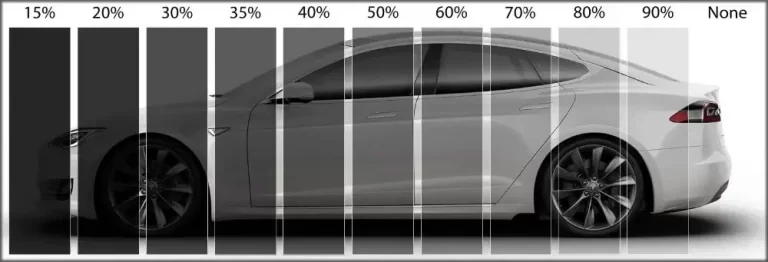
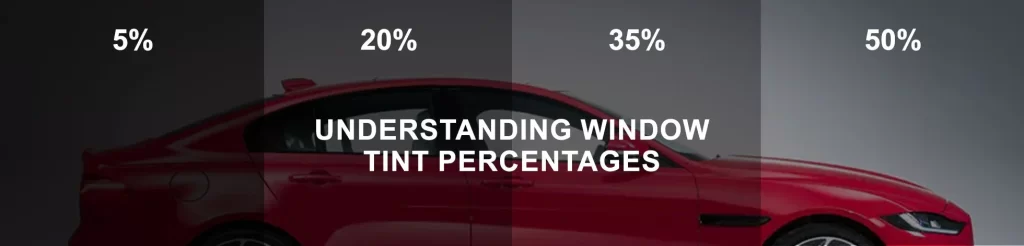
VLT (Visible Light Transmission) is simply how much light passes through the window. A 70% VLT means 70% of visible light gets through—that’s a light tint. A 20% VLT is much darker. Lower number = darker tint.
TSER (Total Solar Energy Rejected) is the number that really matters for comfort. TSER measures how much total solar heat the film blocks—infrared, visible light, and UV all combined. Higher TSER means a cooler cabin.
Here’s a pro tip: darker doesn’t always mean better cooling. A high-quality light tint with a high TSER rating can outperform a cheap dark tint that absorbs heat instead of rejecting it. Performance comes from the technology inside the film, not just how dark it looks.
Decowell Film is engineered to deliver strong TSER performance—meaning you stay comfortable without sacrificing visibility.
Don’t Forget About the Rules
Before you go all-in on getting your car windows tinted, you need to check your local laws. Different states (and different countries) have different rules about how dark your tint can be.
Most places regulate based on VLT percentage. Front side windows usually have stricter limits—somewhere between 24% and 70% VLT depending on where you live. Rear windows are often more lenient. Some states let you go as dark as you want on the back.
Medical exemptions exist in some areas for people who need extra sun protection, but you’ll need proper paperwork.
Bottom line: always check your local regulations before choosing a tint. Decowell Film is available in a range of VLT options, so you can stay compliant while still getting the protection you want.
How to Keep Your Tinted Windows Looking Great
You’ve made the investment. Now let’s make sure it lasts.
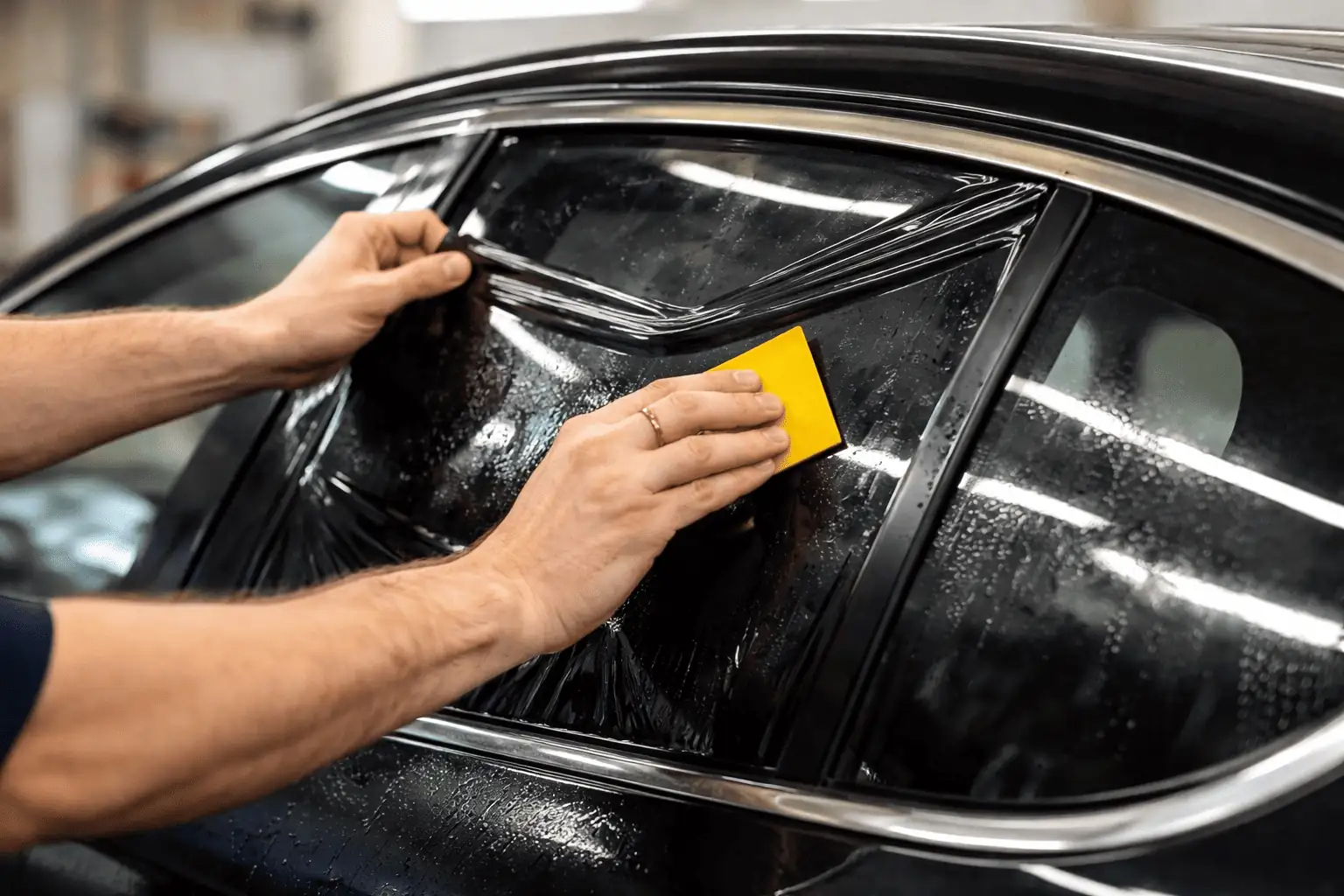
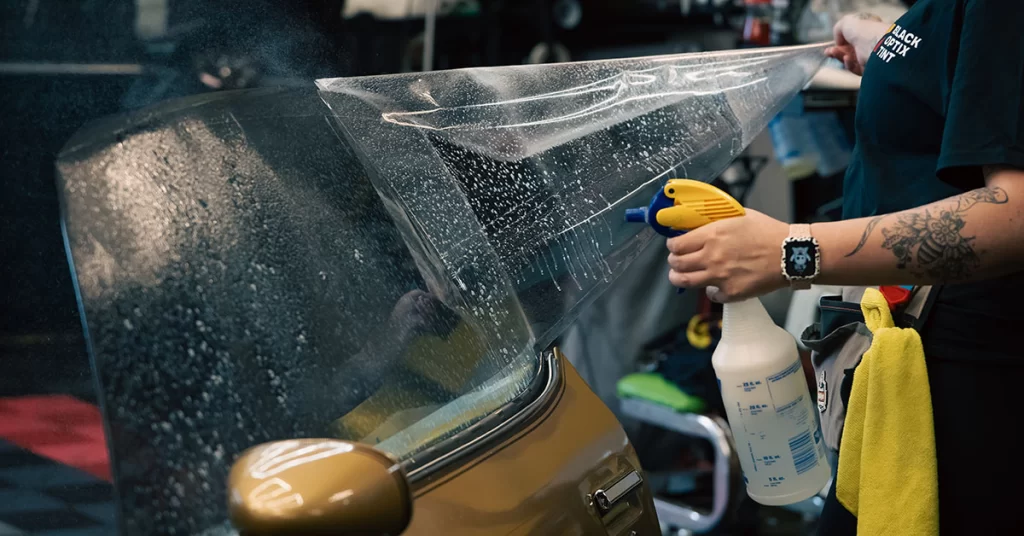
First, be patient. After installation, the film needs time to cure completely. Don’t roll your windows down for at least three to five days. You might notice some hazy spots or tiny bubbles at first—that’s just moisture trapped between the film and glass. It’ll disappear as it dries.
Clean gently, and skip the ammonia. Ammonia-based cleaners will destroy your tint over time, degrading the adhesive and causing peeling or bubbling. Stick with mild soap and water, or an ammonia-free glass cleaner. Use a soft microfiber cloth, not anything abrasive.
Watch the edges. Dirt and grime can build up along the edges of the film. Pay attention to those areas when you clean.
Park smart when you can. If you have covered parking or shade available, use it. It’ll help your film last even longer.
Do those things, and your Decowell Film will keep performing and looking great for years.
Why Decowell Film Belongs on Your Short List
Here’s the bottom line. Getting your car windows tinted is a smart move. But the quality of the film you choose makes all the difference.
Decowell Film is built with advanced materials and precision engineering. Whether you’re dealing with brutal summer heat, long daily commutes, or you just want your car to look and feel more premium, Decowell delivers.
Superior heat rejection to keep you comfortable no matter the weather
99% UV protection for your skin and your interior
No signal interference—GPS, Bluetooth, and cell reception stay crystal clear
Durable construction that resists fading, bubbling, and peeling
Crystal-clear optics that don’t compromise visibility
Driving with cheap tint is like wearing a cheap pair of sunglasses—it kind of works, but not really, and you end up replacing it sooner than you’d like. Driving with Decowell Film is like upgrading to premium optics. You notice the difference immediately. And you never want to go back.
The Bottom Line
Getting your car windows tinted is one of those upgrades that keeps paying you back. Every time you drive. Every time the sun beats down. Every time you park and walk away knowing your stuff isn’t on display for everyone to see.
It’s comfort. It’s protection. It’s security. It’s style. And when you choose the right film—something like Decowell Film—it’s all of those things without any of the usual trade-offs.
So stop putting it off. Your next drive should be cooler, safer, and more comfortable. Make it happen.
FAQ
Q: Does getting car windows tinted really keep the inside cooler?
A: Absolutely—but it depends on the quality of the film. High-quality films like Decowell Film block a huge percentage of infrared heat, keeping your cabin noticeably cooler and reducing the load on your AC.
Q: Will window tint mess with my GPS or phone signal?
A: Only if you choose metallic film. Decowell Film uses advanced non-metallic technology, so all your electronics work perfectly. No dropped signals. No interference.
Q: How dark should I go with car windows tinted?
A: That depends on two things: your local laws and your personal preference. Check your state’s VLT requirements first, then choose a shade that balances privacy, visibility, and comfort. Decowell Film comes in multiple VLT options to fit your needs.
Q: Does window tint block UV rays even if it’s not very dark?
A: Yes. UV protection comes from the film’s construction, not how dark it looks. Decowell Film blocks up to 99% of harmful UV radiation regardless of shade, so you get protection without sacrificing visibility.
Q: How long does window tint last?
A: With proper care and a quality film like Decowell, your tint will last for years. Cheap dyed films might fail in just a few years. Premium films are built for the long haul.
Q: Can I wash my car normally with tinted windows?
A: Yes, just be careful with the interior side. Use mild, ammonia-free cleaners and a soft microfiber cloth. For exterior cleaning, standard car soap and a soft sponge work fine—just avoid abrasive materials near the window edges.
Q: What’s the most important thing to look for when choosing window tint?
A: Look beyond the price tag. Focus on heat rejection numbers (TSER), UV protection, durability, and whether the film interferes with electronics. Decowell Film checks all the boxes—performance, protection, and peace of mind in one package.
Ready to upgrade your ride? Decowell Film has everything you need to get your car windows tinted the right way. Better comfort. Better protection. Better every drive.
Get in touch today and feel the difference.