Home » Metallic Film: Types, Applications, and Why You Should Choose Decowell Film
Recent Posts
Metallic Film: Types, Applications, and Why You Should Choose Decowell Film
Ever walked down the snack aisle and noticed how those shiny chip bags practically scream “pick me”? Or caught a glimpse of a car with a mirror-like chrome finish that turned your head? That’s the power of metallic film.
Whether you call it metallic film, metalized film, or metallized film, this stuff is everywhere. And for good reason. Let me walk you through what it is, why it matters, and how you can get the best quality from Decowell Film.
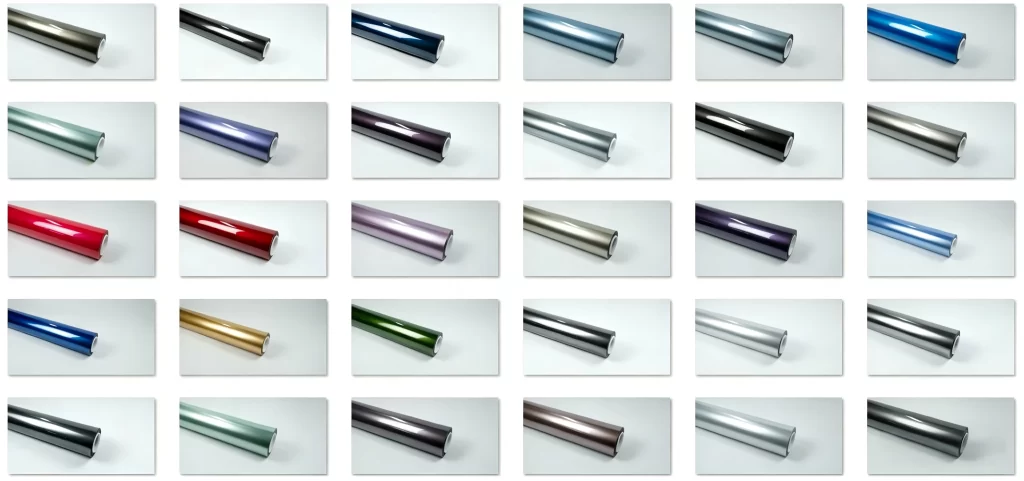
Table of Contents
What Exactly Is Metallic Film?
Let‘s keep it simple. A metallic film is basically a polymer film—like BOPP, PET, or PE—coated with an ultra-thin layer of metal, most commonly aluminum. The result? A shiny, reflective surface that looks like aluminum foil but is way lighter and more affordable.
These films are engineered from substrates like BOPP and PET, then coated with a thin metallic layer to deliver an optimal balance of high barrier performance, visual impact, low weight, and production efficiency. That combination makes them essential across everything from your daily snack pack to high-tech electronics.
Think of it as the best of both worlds: you get the strength and flexibility of plastic, plus the barrier properties and premium look of metal.
Market Growth: This Industry Is Booming
If you’re wondering whether metallic films are worth your attention, here‘s the reality check: the numbers don’t lie.
The global metallized film market was valued at approximately USD 3.30 billion in 2024 and is projected to hit USD 5.71 billion by 2032, growing at a solid CAGR of 7.07%. Other reports put the market at USD 2.96 billion in 2025, expected to reach USD 5.72 billion by 2034 with a CAGR of 7.59%.
What’s driving this growth? Demand for lightweight, flexible, high-performance packaging across food & beverage, pharmaceuticals, and consumer goods is a major factor. More people want packaged products with longer shelf life, and metallic films deliver exactly that.
Simply put, this market is growing fast. And if you‘re in packaging, automotive, or labeling, you need to be paying attention.
How Metallic Films Are Made: The PVD Process
Here’s a bit of the science behind the shine. Metallic films are produced using a process called Physical Vapor Deposition (PVD). In simple terms, aluminum (or other metals like chromium) is heated and vaporized under high vacuum, then condensed onto a cold polymer film. The result is a thin, uniform, highly adherent metallic coating.
PVD coatings are incredibly thin—just a few thousandths of a millimeter—but they dramatically improve the film‘s durability, barrier properties, and appearance. The process can be done using arc evaporation, sputtering, or ion plating, depending on the desired properties.
What does this mean for you? Consistent quality, reliable performance, and a product that doesn’t fade or peel over time.
Types of Metallic Films and Their Applications
Not all metallic films are the same. Depending on the base material, metal type, and coating technology, you can get films tailored for very different jobs.
1. Metalized Packaging Films (Food & Beverage)
This is where metallic films shine brightest—literally. Food products are highly sensitive to moisture, oxygen, UV light, and aroma loss. Metallic films—especially those made from BOPP or PET coated with aluminum—offer excellent barrier properties that preserve product integrity. They extend shelf life without relying on excessive preservatives.
Snack foods, confectionery, coffee, dairy, dried fruits, and ready-to-eat meals—metallic film packaging is the go-to choice. And here‘s the kicker: these films are lightweight and flexible, making them perfect for high-speed production lines. Less material waste, more efficiency.
In a crowded retail environment, that premium metallic gloss and high printability make products stand out on shelves. That’s why premium chocolates, energy drinks, and gourmet foods often come wrapped in metallic film.
2. High-Barrier Metalized Films
For products that need serious protection, high-barrier metallized films are the answer. These films offer barrier improvements of up to 100 times compared to conventional single-layer metallized laminates, and over 1,000 times better than unmetallized parent films.
Think milk powder, coffee, pharmaceutical packaging—anything that absolutely cannot be exposed to oxygen or moisture. Some advanced metalized polyester films achieve oxygen barrier as low as 0.1 cc/m²/day and moisture barrier of 0.1 gm/m²/day, making them a successful replacement for aluminum foil in dried packaging applications.
3. Metallic Wrap Films (Automotive & Decorative)
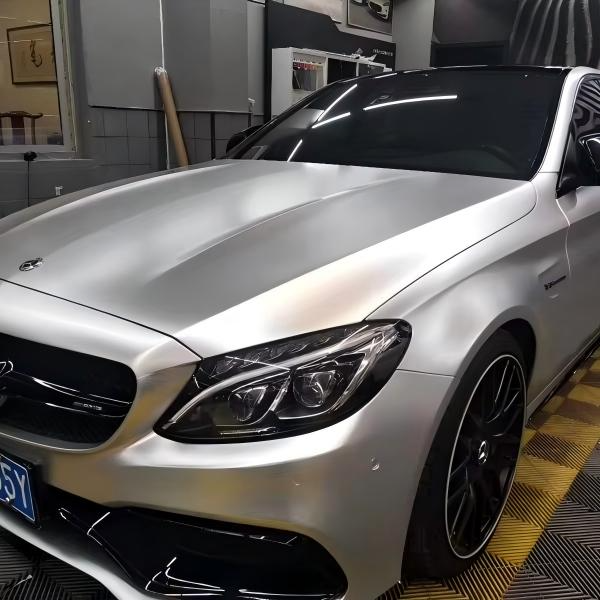
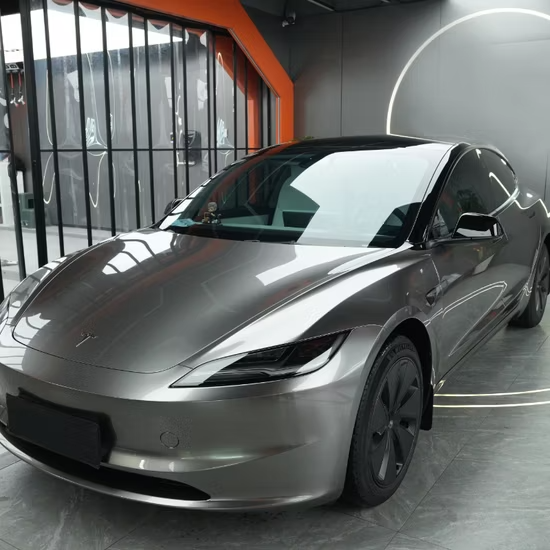
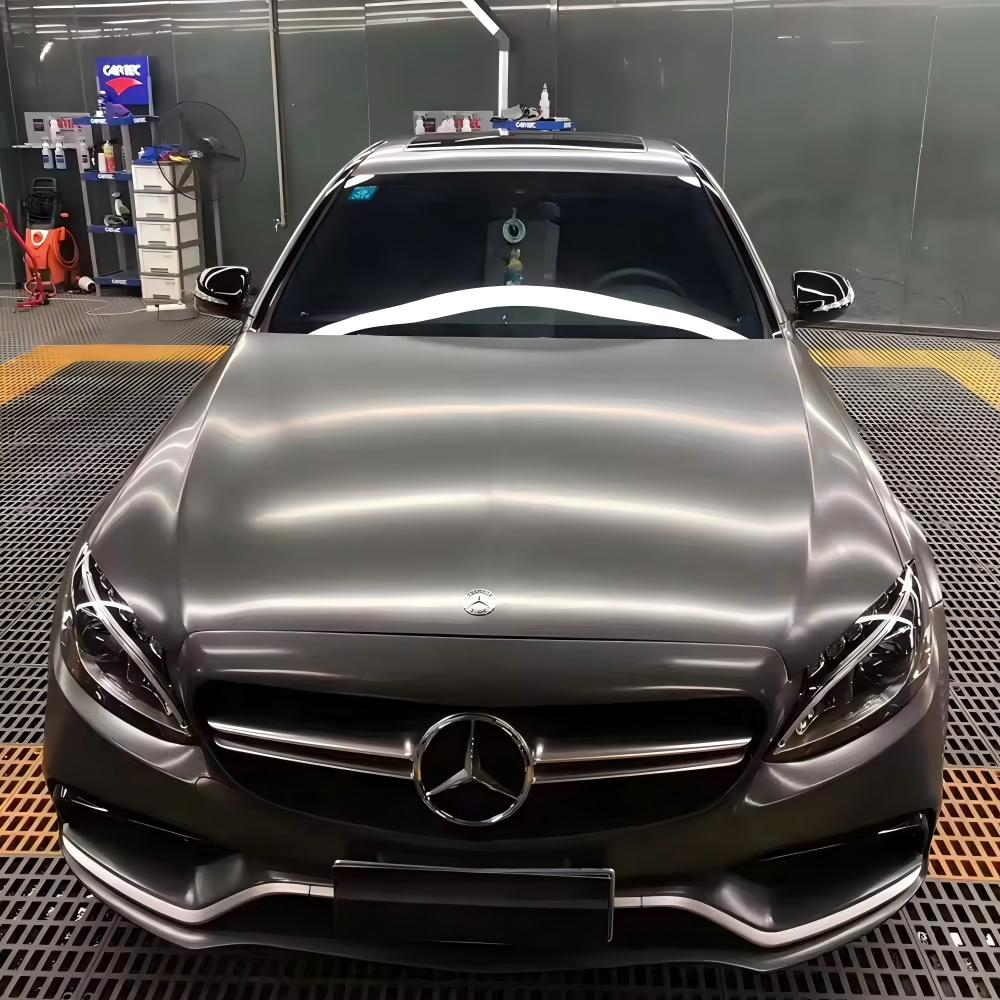
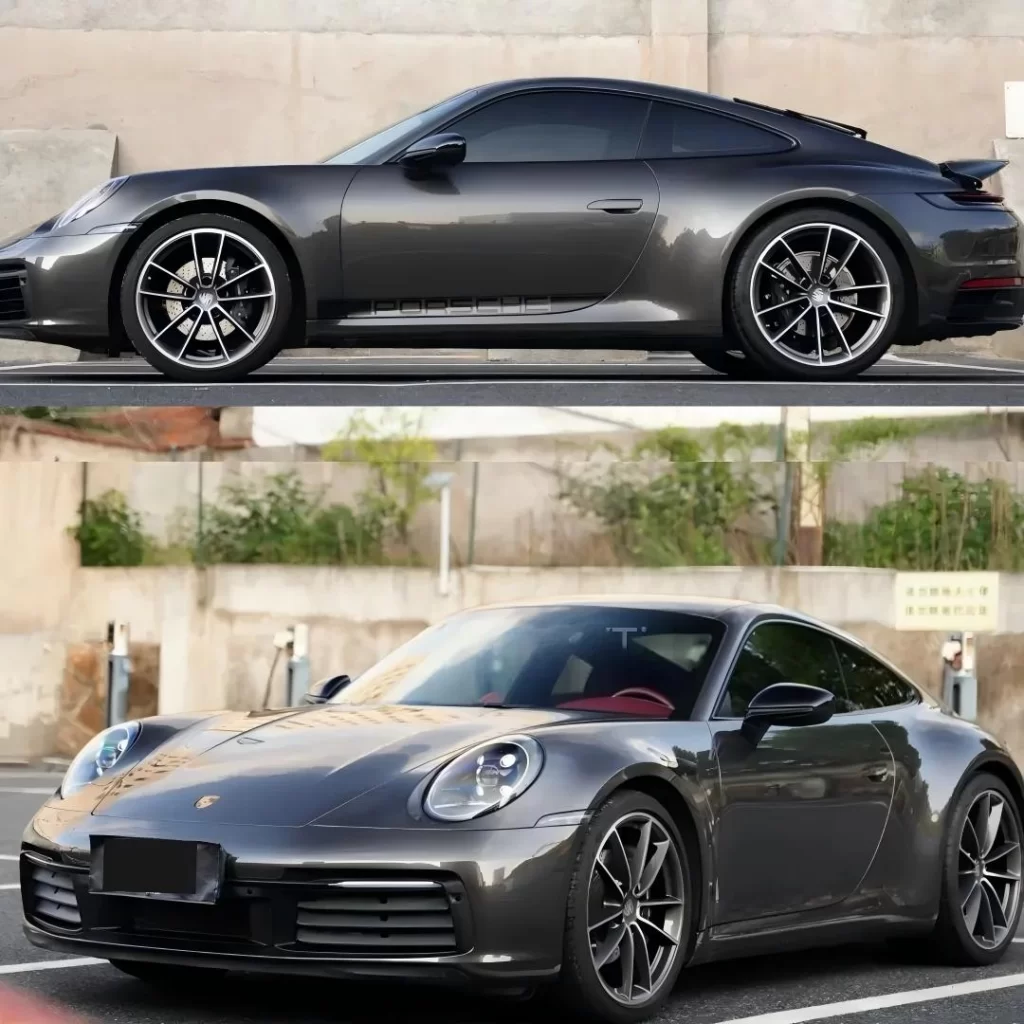
On the car side, metallic wrap films are having a moment. In 2025, car wrap trends have been leaning towards vibrant, eye-catching colors—bright neon blues, fluorescent yellows, and luminous lime—but metallic finishes remain a staple for their luxurious shimmer and depth.
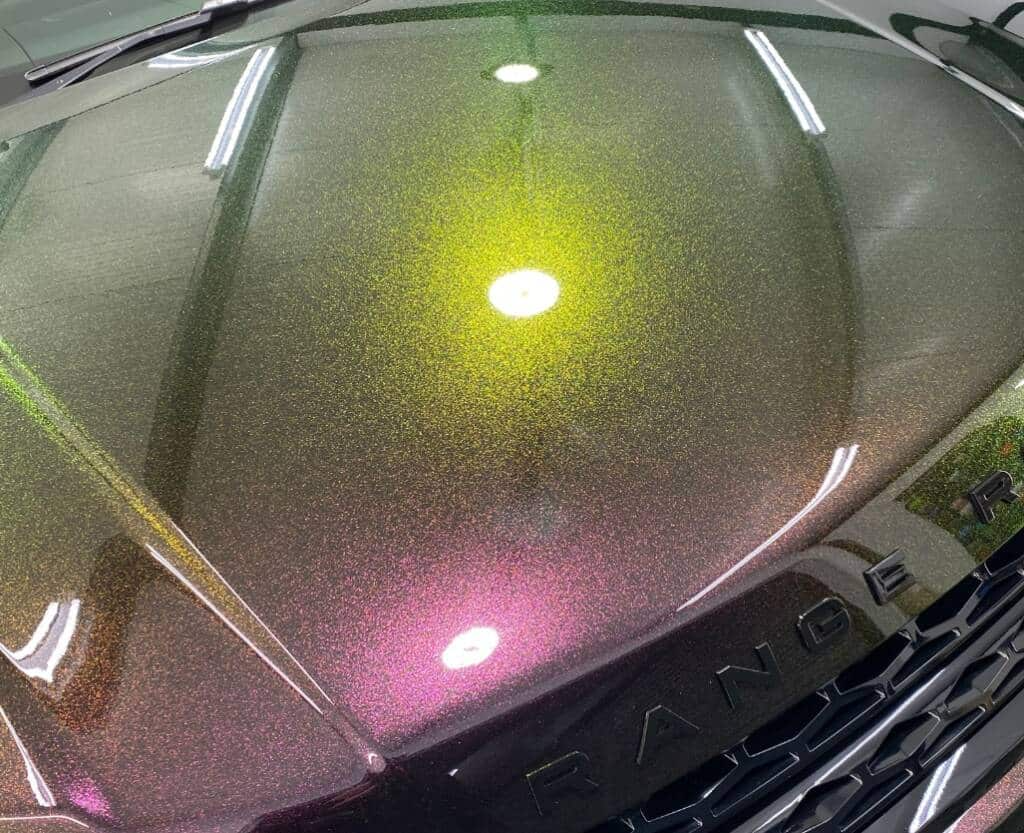
On the spectrum of vinyl wraps, metallic wraps sit at the opposite end from matte, offering a shimmery, reflective finish that adds dimension and depth. A metallic red appears deeper and more luxurious than a solid red. The shimmer catches light differently depending on the viewing angle, creating an illusion of movement even when the car is parked.
Metallic wraps typically last 5–7 years with proper maintenance, and the reflective surface actually helps deflect UV radiation, offering some built-in protection against fading. Scratches and minor imperfections are also less visible on metallic finishes compared to matte.
That’s why premium metallic finishes from Decowell Film are increasingly popular among car owners who want both style and longevity.
4. Metalized Label Stock Films
Ever peeled a shiny beer bottle label or noticed the metallic sheen on a cosmetic product? That‘s metalized pressure-sensitive label stock. These films offer universal printability across flexography, UV, letterpress, and offset printing, along with high stiffness, good optics, and excellent moisture resistance.
Beverage brands, beauty products, and pharmaceutical labels are increasingly turning to metalized label films for that premium, attention-grabbing look.
Metallic Film vs. Matte Wrap: Which One Wins?
Here’s a comparison that often comes up. Which finish should you go for?
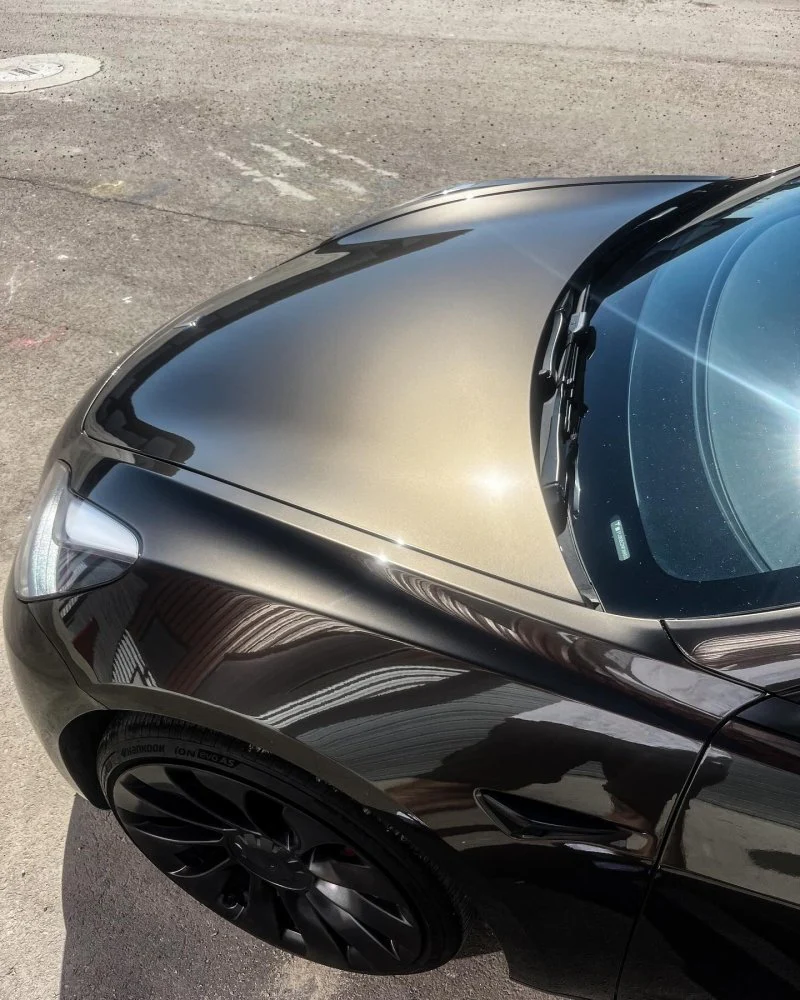
Metallic wraps deliver shimmer, depth, and dynamic visual impact. They reflect light, hide minor scratches better, and generally last longer. Perfect for sports cars, luxury vehicles, or anyone who wants to stand out.
Matte wraps offer a flat, non-reflective, velvety finish. They absorb light, emphasize body lines, and project a stealthy, modern aesthetic. But they require more maintenance and tend to fade faster because they absorb more UV radiation.
For most applications, metallic film is the more durable, lower-maintenance choice. If you want your vehicle or product to pop and last, metallic is the way to go.
Sustainable Metallized Films: The Green Revolution
One concern people often have: are metallic films eco-friendly? The answer is yes—and getting better every year.
The industry is shifting hard toward sustainability. New regulations like the EU‘s Packaging and Packaging Waste Regulation (PPWR), effective February 2025, require packaging to meet recyclability standards above 70% by 2030.
In response, manufacturers are developing mono-material metallized films that are fully recyclable, ultra-high barrier BOPP films that replace multi-material structures, and even home-compostable metallized high-barrier films.
Some advanced metalized polyester films offer easy recyclability while maintaining high oxygen and moisture barrier properties, enabling brands to step closer to their sustainability goals without compromising performance.
At Decowell Film, we take sustainability seriously. Our metallic films are designed with recyclability in mind, and we’re constantly innovating to reduce environmental impact while maintaining the high-performance standards our customers expect.
Why Choose Decowell Film for Your Metallic Film Needs?
Let‘s be real. The market is full of options. So why Decowell Film?
Superior Quality Control – We don’t cut corners. Every roll of metallic film we produce goes through rigorous testing for barrier properties, adhesion, thickness uniformity, and visual consistency.
Advanced Manufacturing Technology – Our state-of-the-art production lines use the latest PVD deposition technology, ensuring consistent aluminum coating thickness and optimal barrier performance.
Wide Product Range – Whether you need packaging film, automotive wrap, label stock, or decorative metallic film, we‘ve got you covered. BOPP-based, PET-based, aluminum-coated—you name it.
Sustainability Commitment – We’re actively developing recyclable and mono-material metallized film solutions to help you meet your ESG goals.
Competitive Pricing & Fast Lead Times – Quality doesn‘t have to break the bank. We offer factory-direct pricing and reliable delivery schedules.
Customization Capabilities – Need a specific thickness, width, or barrier level? Our team works with you to develop the perfect metallic film for your application.
Applications Across Industries
Still wondering if metallic film is right for you? Here’s a quick rundown of industries that rely on it:
Food & Beverage Packaging – Snacks, coffee, dairy, confectionery, dried fruits
Pharmaceutical Packaging – Blister packs, moisture-sensitive drug packaging
Automotive – Paint protection film (PPF), chrome delete, color-change wraps
Consumer Electronics – Insulation films, decorative laminates
Labeling – Pressure-sensitive labels for beverages, cosmetics, pharmaceuticals
Construction – Thermal insulation films, window films
Renewable Energy – Reflective films for solar applications
The list keeps growing. And as technology advances, so do the possibilities.
Final Thoughts
Metallic film isn’t just a trend. It‘s a proven, high-performance material that’s transforming packaging, automotive, labeling, and industrial applications worldwide. The market is growing fast. Sustainability is driving innovation. And the demand for premium, durable, eye-catching finishes is higher than ever.
Whether you‘re a packaging manufacturer looking to extend shelf life, a car enthusiast wanting that head-turning chrome finish, or a brand owner seeking premium label materials, Decowell Film has the solution.
We’re not just another supplier. We‘re your partner in quality, innovation, and reliability.
Frequently Asked Questions (FAQ)
Q1: What’s the difference between metallic film and metalized film?
A: They mean the same thing. Metallic film and metalized film are used interchangeably to describe polymer films coated with a thin layer of metal (usually aluminum).
Q2: How long does metallic wrap film last on a car?
A: Premium metallic wrap films from quality manufacturers typically last 5–7 years with proper care. The reflective surface helps deflect UV radiation, reducing fading compared to matte finishes.
Q3: Is metallic film recyclable?
A: Yes, increasingly so. Many modern metalized films are designed for recyclability. Decowell Film offers mono-material metallized solutions that meet current recycling standards.
Q4: Can metallic film be used for food packaging?
A: Absolutely. Metalized film is widely used for food packaging because it provides excellent barriers against moisture, oxygen, and UV light, extending shelf life without preservatives.
Q5: What‘s the thickness range of Decowell’s metallic films?
A: We offer metallic films in various thicknesses, from ultra-thin 12-micron films for lightweight packaging up to thicker grades for automotive and industrial applications.
Q6: Does metallic film scratch easily?
A: High-quality metallic films are quite durable. Scratches and minor imperfections are less visible on metallic finishes compared to matte because the reflective surface scatters light. Some variants also include self-healing properties.
Q7: Can you print on metallic film?
A: Yes. Our metalized films offer excellent printability across flexography, UV, letterpress, and offset printing processes.
Q8: What’s the minimum order quantity (MOQ) for Decowell metallic film?
A: MOQ depends on the specific product and thickness. Contact our sales team for a customized quote based on your needs.
Q9: How do I clean metallic wrap film on my car?
A: Wash with pH-neutral, vinyl-safe soap and lukewarm water every two weeks. Use soft microfiber cloths. Avoid pressure washers, which can damage edges and adhesive.
Q10: Why should I choose Decowell Film over other suppliers?
A: Because we combine superior quality control, advanced PVD technology, wide product range, sustainability focus, competitive pricing, and customization capabilities—all backed by responsive customer support.