Home » Colored Paint Protection Film: Protecting and Personalizing Your Vehicle
Recent Posts
Colored Paint Protection Film: Protecting and Personalizing Your Vehicle
Introduction
Let’s be honest—your car is more than just a way to get from point A to point B. It’s a statement. A reflection of your taste. And for a lot of us, it’s also a pretty serious investment. So why should you have to choose between keeping that investment safe and making it look the way you want?
For years, car owners faced exactly that dilemma. You could either slap on a clear paint protection film (PPF) to guard against rock chips and scratches—but your car would still look exactly like everyone else’s. Or you could go for a vinyl wrap to turn heads, but you’d be sacrificing real protection. And neither option was cheap.
That’s where colored PPF comes in. It’s the best of both worlds: the self-healing, impact-resistant armor of traditional PPF, infused with rich, paint-like color. No compromise. No trade-offs.
Whether you’re a weekend enthusiast dreaming of a satin-finished showstopper, a daily commuter who wants to keep that new-car shine intact, or a shop owner looking to offer your clients something they’ll genuinely love—this guide has you covered. We’ll walk you through everything: what colored PPF actually is, how it stacks up against vinyl wraps and clear PPF, what colors and finishes are trending, how much you should expect to pay, and how to keep it looking fresh for years.
And yes—we’ll also tell you why Decowell Film is quietly becoming one of the smartest choices on the market. Let’s dive in.
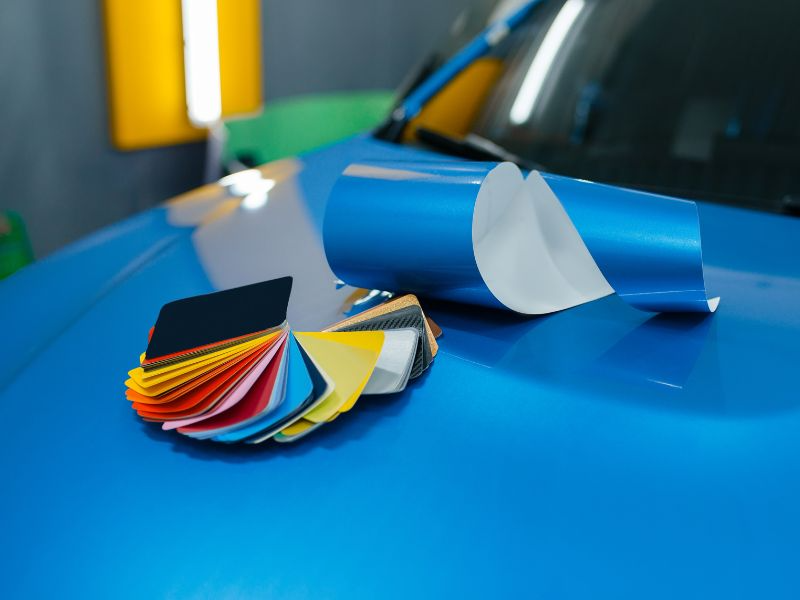
Table of Contents
What Exactly Is Colored PPF?
Colored Paint Protection Film (colored PPF for short) is an advanced, multi-layered film made from thermoplastic polyurethane (TPU). It works exactly like the clear PPF you’ve probably heard about—but with one major upgrade: it comes in color.
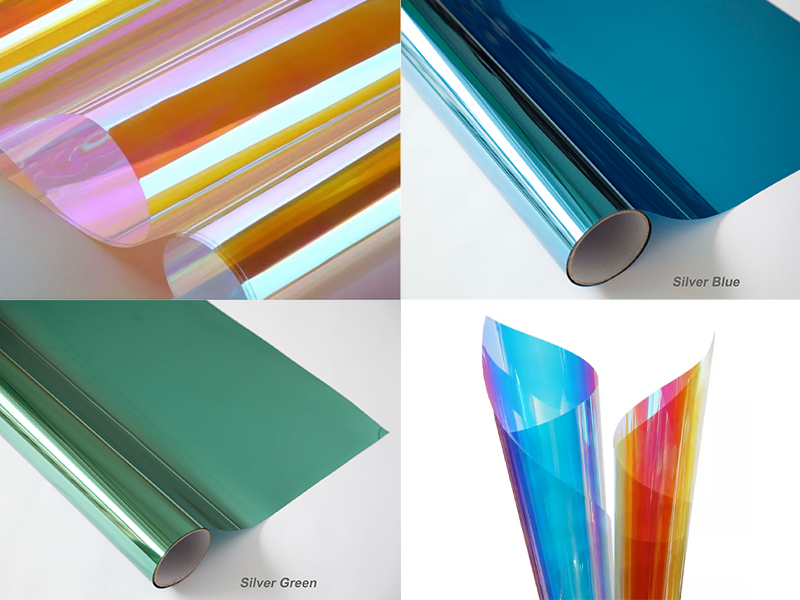
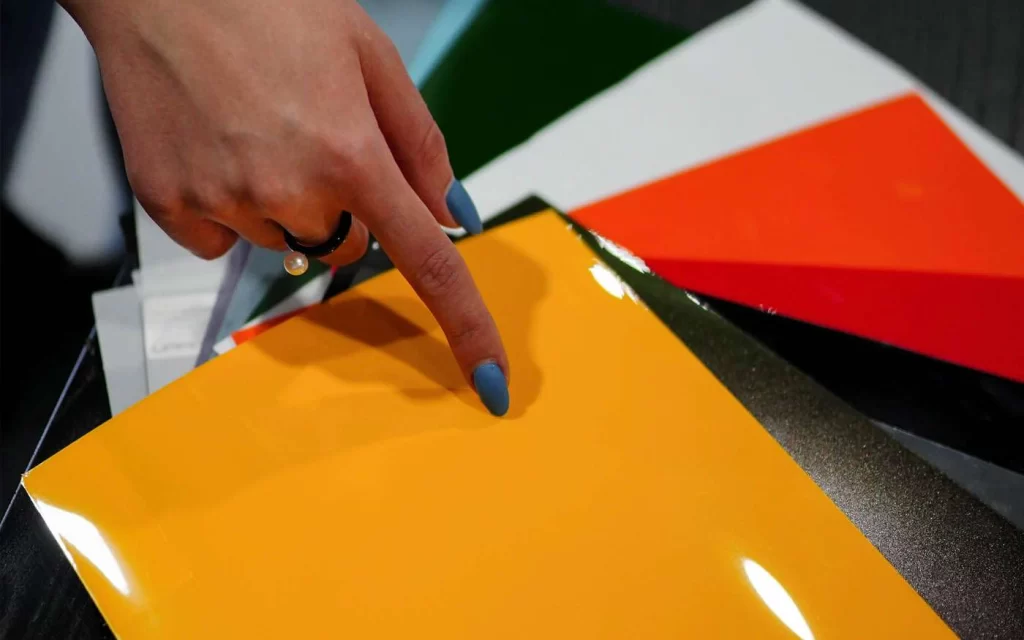
Think of it as body armor for your car’s paint, except instead of being invisible, it gives your vehicle a whole new look at the same time. Colored PPF is available in gloss, matte, and satin finishes, and the color palette is growing fast—everything from deep blacks and vibrant reds to icy blues, stealthy grays, and even chameleon-like color-shifting effects.
The film is typically between 7 and 9 mils thick (that’s about 175–230 microns for anyone keeping track), which makes it significantly more robust than a vinyl wrap. Underneath that colored layer, you’ve got the same TPU construction that makes traditional PPF so tough—self-healing, impact-absorbing, and built to last.
So here’s the simple version: colored PPF protects your car’s original paint from rock chips, scratches, bird droppings, UV rays, and road debris, while simultaneously giving you a custom color or finish. One installation, two massive benefits.
Why Colored PPF Is a Game-Changer
Before colored PPF hit the scene, car owners had to pick a lane. Want protection? Go with clear PPF—but your car stays the same color. Want a fresh look? Go with vinyl—but don’t expect it to stop a rock chip.
Colored PPF collapses that choice entirely. And here’s why it matters:
Self-Healing Surface
This is probably the coolest feature you’ll ever show off to your car buddies. High-quality colored PPF has self-healing properties. Minor scratches, swirl marks, and light scuffs disappear when exposed to heat—either from the sun or from pouring warm water over the affected area. Your car stays smooth and flawless without you lifting a finger. Try doing that with paint or vinyl.
Real Impact Protection
We’re not talking about “a little bit of protection.” Colored PPF is purpose-built to take hits. It absorbs impacts from road debris, resists punctures, and stops rock chips before they can reach your factory paint. In durability tests, colored PPF has consistently outperformed vinyl wraps—sometimes by a dramatic margin.
UV and Chemical Resistance
Sunlight, bird droppings, tree sap, road salt, acid rain—your car’s paint takes a beating every single day. Colored PPF is formulated with UV inhibitors and chemical-resistant top coats that prevent yellowing, fading, and staining. The film itself stays vibrant, and the paint underneath stays pristine.
Preserves Resale Value
Here’s something a lot of people don’t think about: a custom paint job can actually hurt your car’s resale value. Many buyers want the original factory finish. With colored PPF, you get the custom look you want now, and when it’s time to sell or return a lease, the film can be removed cleanly—revealing untouched factory paint underneath. No damage. No loss in value. Just a like-new car waiting for its next owner.
Easy Maintenance
Most premium colored PPF films come with a hydrophobic top coat. That’s a fancy way of saying water, dirt, and grime don’t stick easily. A simple hand wash with pH-neutral soap is usually all it takes to keep your car looking freshly detailed. Some films even have a self-cleaning effect that minimizes maintenance effort.
Clear PPF vs. Colored PPF vs. Vinyl Wrap: Which One Is Right for You?
This is the question everyone asks. Let’s break it down.
| Feature | Clear PPF | Colored PPF | Vinyl Wrap |
|---|---|---|---|
| Paint Protection | Excellent | Excellent | Minimal |
| Changes Color/Finish | No | Yes | Yes |
| Self-Healing | Yes | Yes | No |
| Typical Thickness | 6–8 mil | 7–9 mil | 3–4 mil |
| Lifespan | 8–10 years | 8–10 years | 3–5 years |
| UV Resistance | High | High | Moderate |
| Finish Options | Gloss only | Gloss, Matte, Satin, Metallic | Wide variety |
| Removability | Easy, no damage | Easy, no damage | Easy, but may leave residue |
So which one should you choose?
If you’re all about changing colors frequently and cost is your top priority, vinyl wraps are a solid option—just know you’re getting style over substance.
If you want the ultimate in paint protection and don’t care about changing your car’s appearance, clear PPF is a tried-and-true choice.
But if you want both—real protection and a head-turning new look—colored PPF is the clear winner. It gives you the durability and self-healing capability of clear PPF, plus the styling flexibility of vinyl, and it lasts two to three times longer.
Trending Colors and Finishes for 2026
If you’re wondering what’s hot right now, here’s what the market is saying.
Warm Satin Neutrals
Satin finishes in taupes, greiges, champagnes, and warm off-whites are having a major moment. These understated hues offer a premium, stealth-wealth look that conceals minor scratches and reflects elegance without the glare of high gloss. They’re especially popular on luxury sedans (BMW 5 Series, Mercedes E-Class) and electric vehicles like the Tesla Model 3 and Model Y.
Vibrant Teals and Turquoises
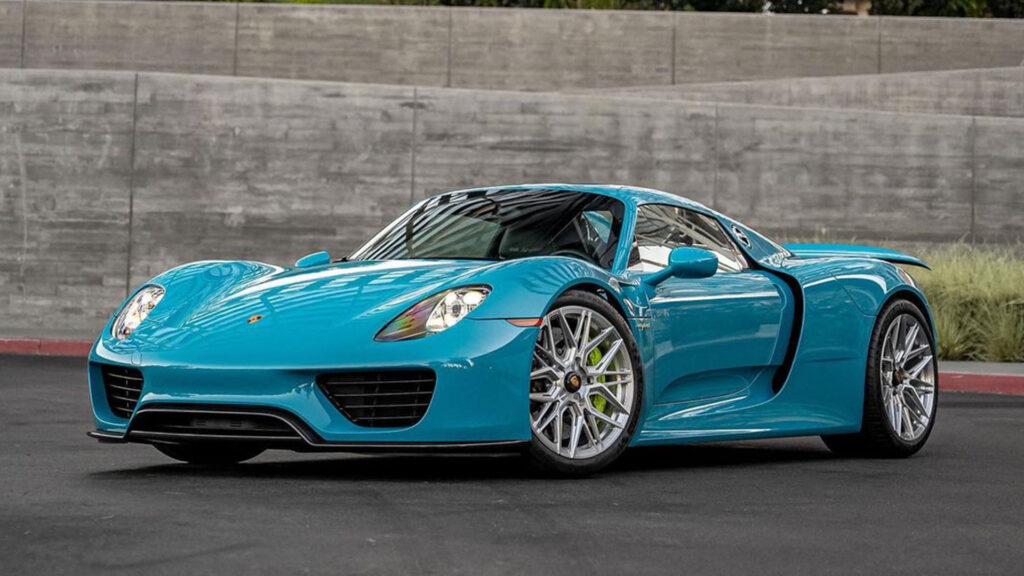
Bold, saturated blues and greens are gaining traction among drivers who want to stand out. These colors pop without being overwhelming and look incredible under both natural and artificial light.
Liquid Metal and Chameleon Effects
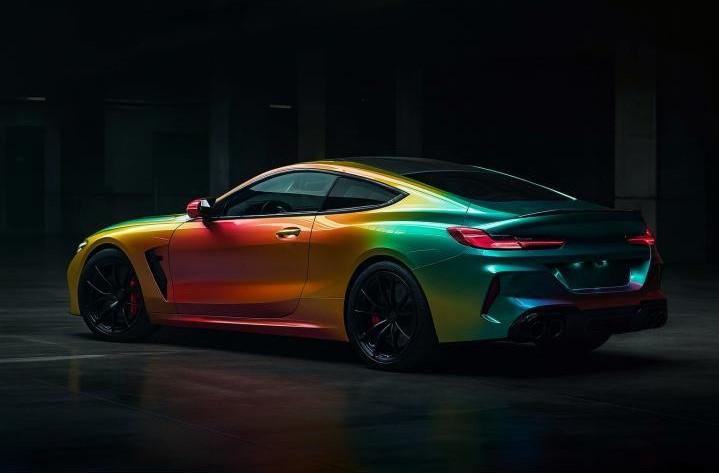
Metallic finishes with deep, reflective depth are increasingly in demand. Some manufacturers are even offering chameleon films that shift color depending on the viewing angle—a true head-turner for sports car owners.
Matte and Stealth Finishes
Matte and satin finishes continue to be fan favorites, especially on performance vehicles and trucks. They give the car an aggressive, understated look while hiding minor imperfections better than gloss.
Colored PPF vs. Repainting: Why the Film Makes More Sense
Let’s say you want to change your car’s color. You have two options: a full repaint, or colored PPF. Here’s how they compare.
A high-quality repaint can cost anywhere from a few thousand dollars to well over ten grand, depending on the shop and the quality of the work. And here’s the kicker—it’s permanent. Once you repaint, there’s no going back. Plus, as we mentioned earlier, a non-factory paint job can actually lower your car’s resale value.
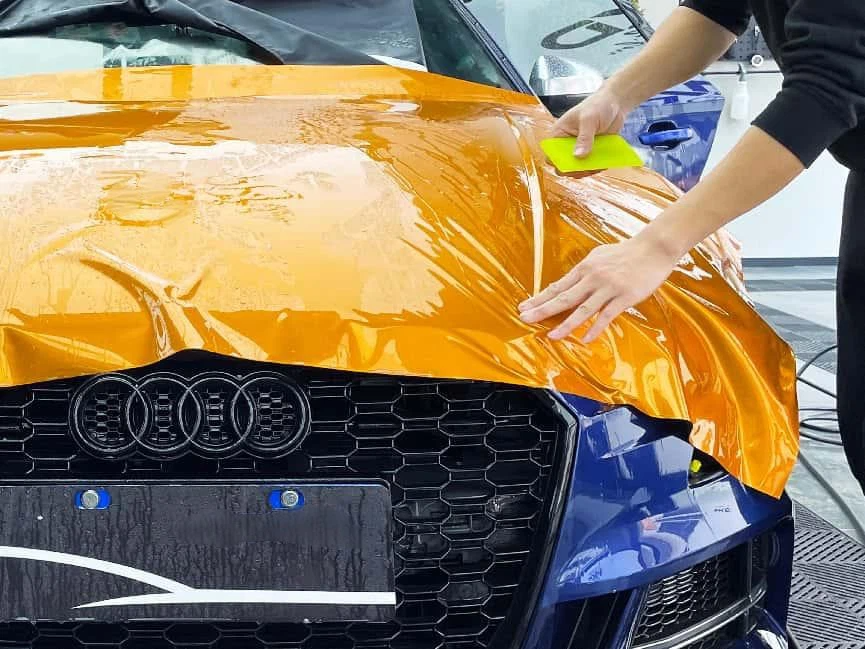
Colored PPF, on the other hand, gives you the same visual transformation—but it’s fully reversible. If you want to go back to your original color in a few years, just have the film removed. Your factory paint will be exactly as it was the day you bought the car.
And here’s something that surprises a lot of people: a full-body colored PPF wrap on a standard sedan typically costs between $4,500 and $7,500—which is actually less than a full respray at most body shops. So you’re getting protection, customization, and cost savings, all in one package.
How to Choose the Right Colored PPF Brand
Not all colored PPF is created equal. The market has exploded in recent years, with everything from bargain-basement films to ultra-premium offerings. Here’s what you need to look for.
What to Look For
TPU construction. Make sure the film is made from thermoplastic polyurethane, not PVC. TPU is what gives colored PPF its self-healing properties and impact resistance. PVC films (which are basically glorified vinyl wraps) won’t offer the same level of protection.
Thickness. Look for films that are at least 6 mils thick. Premium colored PPF typically ranges from 7 to 9 mils. Anything thinner is probably not going to provide real rock-chip protection.
Self-healing top coat. This is non-negotiable. The self-healing property is one of the biggest reasons to choose colored PPF over vinyl. Make sure the brand you’re considering actually delivers on this promise.
UV stability and anti-yellowing. Cheaper films can turn yellow or hazy after a few years in the sun. High-quality colored PPF uses UV inhibitors to prevent discoloration and keep the color vibrant for the long haul.
Hydrophobic properties. A good hydrophobic top coat makes maintenance infinitely easier. Water beads up and rolls off, taking dirt and grime with it.
Warranty. Reputable brands offer warranties ranging from 5 to 12 years, covering things like delamination, yellowing, bubbling, and cracking. If a brand doesn’t stand behind its product with a solid warranty, that’s a red flag.
Leading Brands in 2026
The colored PPF market has matured significantly. Major players like XPEL, STEK, and 3M have all entered the space, offering factory-quality finishes with strong warranties. But alongside these established names, a new generation of manufacturers is bringing high-quality films to market at more accessible price points.
This is where Decowell Film comes in.
Why Decowell Film Is Your Smartest Choice
You’ve heard about the big names. Now let’s talk about a brand that’s quietly earning a reputation for delivering premium quality without the premium price tag.
Decowell Film specializes in high-performance colored PPF that checks every box: genuine TPU construction, reliable self-healing properties, excellent UV stability, and a hydrophobic top coat that makes maintenance a breeze. Whether you’re looking for a sleek gloss finish, an elegant matte look, or something in between, Decowell has options that rival the best in the industry.
Here’s what sets Decowell apart:
Factory-direct pricing. Because Decowell works directly with distributors and installation shops, they’re able to offer exceptional value. You’re not paying for inflated branding—you’re paying for performance.
Consistent quality. In an industry where batch-to-batch consistency can be a real problem, Decowell maintains rigorous quality control standards. Every roll delivers the same color accuracy, thickness, and performance characteristics.
Installer-friendly. Decowell’s films are engineered for easy installation on complex curves and contours. That means less frustration for installers and better results for car owners.
Backed by real-world performance. Decowell’s colored PPF has been tested in a variety of climates and driving conditions—from scorching summers to freezing winters, from coastal humidity to desert dryness. It holds up.
Competitive warranty. Decowell stands behind its products with a warranty that gives you peace of mind. When you choose Decowell, you’re choosing a brand that takes longevity seriously.
Whether you’re a shop owner looking to expand your offerings or a car owner who wants premium protection without breaking the bank, Decowell Film deserves a spot on your shortlist.
Want to learn more about Decowell’s colored PPF lineup? Contact us today for pricing, samples, or distributor inquiries.
Installation: Why Professional Application Matters
Even the best colored PPF in the world won’t perform well if it’s installed poorly. This is not a DIY job for most people. Professional installation makes all the difference.
Certified installers have the experience, tools, and techniques to apply the film without bubbles, wrinkles, or lifted edges. They know how to work around complex body curves, door handles, mirrors, and bumpers. And most reputable shops offer warranties on their installation work.
Expect the installation process to take anywhere from a few hours to a few days, depending on the size of your vehicle and the complexity of the job. A full wrap on a standard sedan typically requires 10 to 20 hours of skilled labor.
One more thing: after installation, let the film cure. Most manufacturers recommend waiting at least 48 to 72 hours before washing the car. This allows the adhesive to fully bond and prevents edge lifting.
Maintenance Tips to Keep Your Colored PPF Looking New
One of the best things about colored PPF is how easy it is to maintain. But “easy” doesn’t mean “no maintenance.” Follow these simple guidelines and your film will stay vibrant for years.
Let it cure first. Don’t wash your car for at least 2–3 days after installation. Complete curing may take 1–2 weeks depending on weather conditions.
Wash regularly, but gently. Use a pH-neutral car shampoo, soft microfiber towels, and the two-bucket method. Wash from top to bottom. Avoid high-pressure sprayers at close range—they can lift edges.
Dry by hand. Don’t let your car air-dry, which can leave water spots. Use a clean, dry microfiber towel to pat the surface dry.
Clean contaminants immediately. Bird droppings, bug splatter, tree sap, and fuel spills can stain or discolor the film if left untreated. Remove them as soon as you spot them.
Park in the shade when possible. While colored PPF has UV protection, prolonged exposure to direct sunlight can still accelerate wear over time. A garage or covered parking is ideal.
Avoid automatic car washes. Those spinning brushes are brutal on any finish—including PPF. Stick to hand washing or touchless washes.
Consider a ceramic coating on top. Some owners apply a ceramic coating over their colored PPF for an extra layer of hydrophobicity and gloss. It’s not necessary, but it’s a nice upgrade.
Inspect annually. Check for any lifting at the edges, especially around complex curves. Most issues are easily fixed if caught early.
With proper care, your colored PPF will still look showroom-fresh 8 to 10 years down the road. Not bad for a film, right?
Frequently Asked Questions (FAQ)
Q: Is colored PPF the same as a vinyl wrap?
A: No. This is probably the biggest misconception out there. Vinyl wraps are thin (3–4 mils), offer minimal protection, and don’t self-heal. Colored PPF is thicker (7–9 mils), made from TPU, self-heals with heat, and provides genuine paint protection. Think of vinyl as a costume; think of colored PPF as armor that also changes your car’s look.
Q: Can colored PPF be removed without damaging my paint?
A: Absolutely. High-quality colored PPF uses pressure-sensitive adhesives designed to release cleanly, even after 7–10 years of being on the car. Your factory paint will be exactly as it was the day the film was applied.
Q: How long does colored PPF last?
A: With proper care, expect 8–10 years of reliable performance. Some premium films can last even longer. That’s two to three times the lifespan of a typical vinyl wrap.
Q: Does colored PPF look like paint?
A: Modern colored PPF is nearly indistinguishable from factory paint. When professionally installed, even car enthusiasts often can’t tell it’s a film. The finish has depth, clarity, and a smooth texture that rivals high-end paint jobs.
Q: Will colored PPF turn yellow over time?
A: Not if you buy a quality film. Cheap films can yellow or haze after a few years of UV exposure. Premium colored PPF is formulated with UV inhibitors that prevent discoloration and maintain color integrity for the life of the film.
Q: Can I wash my car like normal?
A: Pretty much. Use pH-neutral soap, soft microfiber towels, and avoid automatic car washes with spinning brushes. Hand washing is best. That’s really it.
Q: Does colored PPF protect against rock chips?
A: Yes—and this is one of its biggest advantages over vinyl. The TPU construction absorbs impacts and prevents rock chips from reaching your factory paint. In durability tests, colored PPF has consistently outperformed vinyl wraps.
Q: Can I apply colored PPF myself?
A: It’s not recommended unless you have professional experience. PPF installation requires skill, patience, and the right tools. Improper installation can lead to bubbles, lifted edges, and poor adhesion. Leave it to the pros.
Q: What finishes are available?
A: Most colored PPF brands offer gloss, matte, and satin finishes. Some also offer metallic, liquid metal, and chameleon color-shift effects. The palette is expanding every year.
Q: Is colored PPF worth the money?
A: If you care about both the appearance and the long-term condition of your car—absolutely. Colored PPF gives you customization, protection, and resale value preservation in one package. When you factor in the cost of paint repairs or a full respray, it’s actually a very cost-effective investment.
Final Thoughts: Protect Your Investment, Express Your Style
The days of choosing between protection and personalization are over. Colored PPF has changed the game, and it’s only getting better. Whether you want to refresh an aging daily driver, turn your weekend toy into a head-turning showpiece, or simply keep your new car looking new for a decade, colored PPF delivers.
It’s self-healing. It’s impact-resistant. It’s UV-stable. It’s easy to maintain. And it gives you the freedom to change your car’s look without permanently altering its factory paint.
But here’s the bottom line: not all colored PPF is created equal. If you want real protection and long-lasting beauty, you need a film that’s built right—with genuine TPU construction, reliable self-healing, and consistent quality control.
That’s exactly what Decowell Film delivers.
Decowell offers premium colored PPF at factory-direct prices, making top-tier protection and customization accessible to more car owners and shops than ever before. Whether you’re wrapping a luxury sedan, a rugged truck, or a high-performance sports car, Decowell has a finish and a color that fits your vision—without the premium-brand markup.
Ready to give your car the protection it deserves and the look you’ve always wanted?
👉 Contact Decowell Film today for product samples, pricing, or to become a distributor. Let’s build something beautiful—and bulletproof.