Home » Satin Black Color: Why This Stealth Finish Is Taking Over the Car Wrap World
Recent Posts
Satin Black Color: Why This Stealth Finish Is Taking Over the Car Wrap World
Let me ask you something. When you picture your dream car, what color is it?
If you said “black but not too shiny” or “something that looks like it just rolled out of a stealth fighter hangar,” you’re not alone. More and more car owners are moving away from the blinding glare of gloss and the ultra-flat look of matte. They’re landing somewhere right in the middle: satin black color.
There’s a reason why satin black has become one of the hottest finishes in the automotive wrap industry. It’s not just a trend—it’s a movement. And in this guide, I’ll walk you through everything you need to know about satin black finishes, why they’ve exploded in popularity, and which brand is quietly becoming the go-to choice for shop owners and car enthusiasts alike.
Let’s get into it.
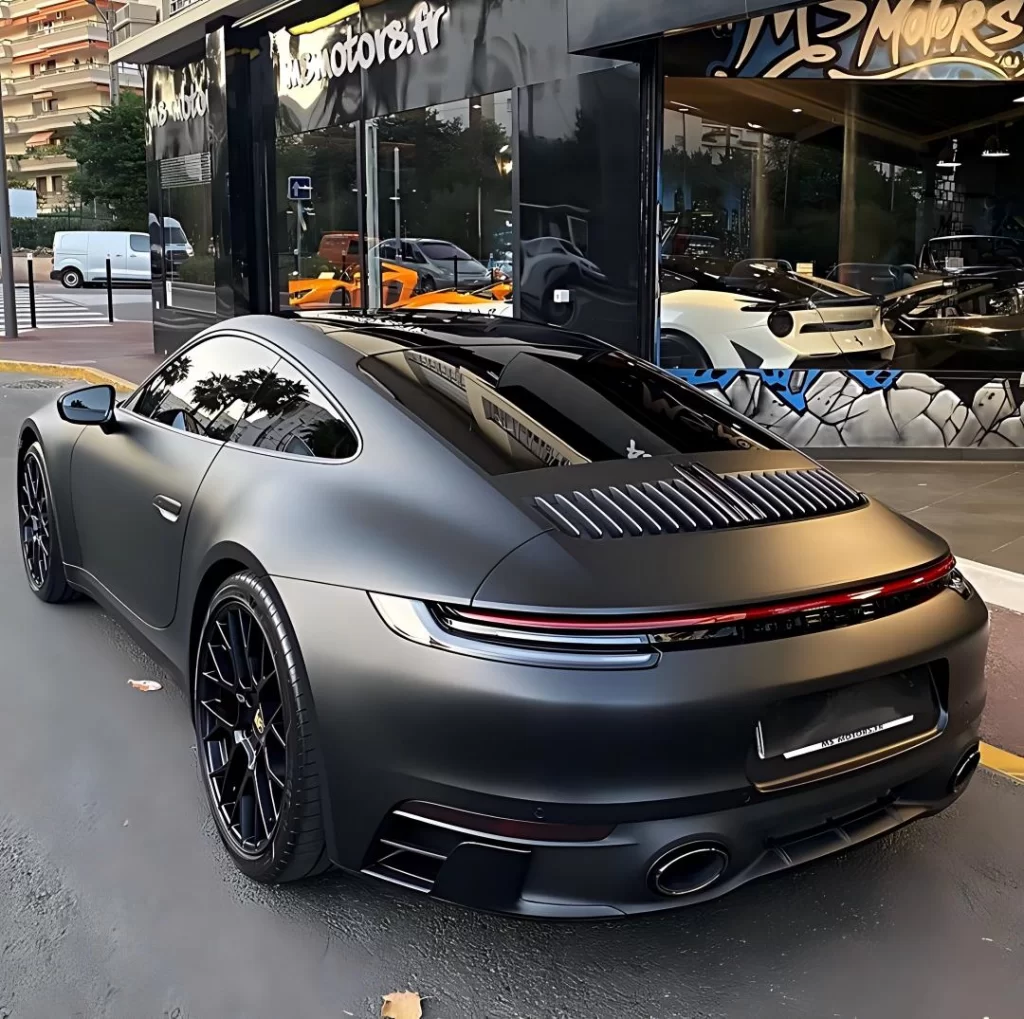
Table of Contents
What Exactly Is a Satin Black Color Finish?
Let’s start with the basics. A satin black color finish sits right between glossy and matte. It’s not as reflective as a high-gloss paint job, but it’s not completely flat like a matte finish either. Think of it as the “Goldilocks” of car finishes—just right.
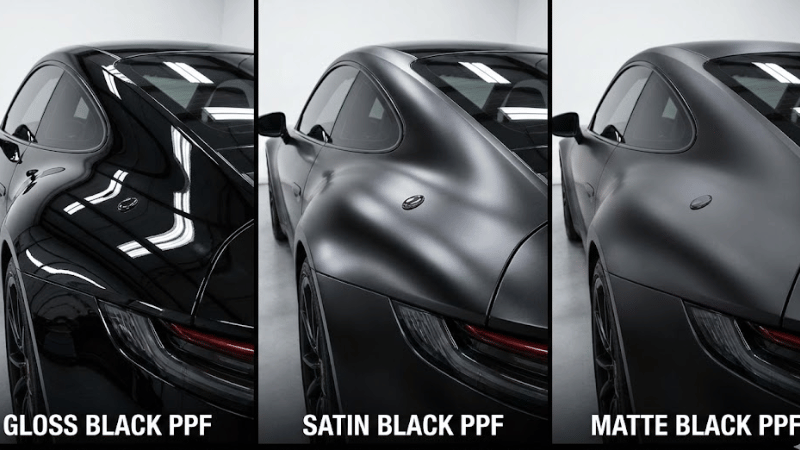
In technical terms, shine is measured in gloss units (GU). A gloss black finish typically registers above 70 GU, creating that mirror-like reflection you see on luxury cars. A matte finish comes in below 10 GU, absorbing nearly all light and looking completely flat. A satin black color finish lands somewhere between 10 and 35 GU, giving you a soft, silky sheen that highlights your car’s body lines without screaming for attention.
Picture a black silk shirt. That’s satin. It’s smooth, it’s elegant, and it catches light just enough to show off the fabric’s texture without being flashy. That’s exactly what a satin black car wrap does for your vehicle.
Satin Black vs. Matte Black vs. Gloss Black: The Showdown
If you’re standing in front of a sample board trying to decide between these three finishes, let me break it down for you.
Gloss Black: The Showroom Classic
Gloss black is what you get from a fresh factory paint job. It reflects light like a mirror, it looks wet, and it screams luxury. But there’s a catch. Gloss black shows everything—every speck of dust, every water spot, every tiny swirl mark from a car wash. Keeping a gloss black car looking perfect is a full-time job. Plus, glossy finishes don’t hide imperfections well; if there’s a minor scratch or dent, the reflection makes it stand out even more.
Matte Black: The Stealth Bomber
Matte black absorbs almost all light. It’s flat, it’s aggressive, and it looks like something out of a military convoy. Car enthusiasts love matte black for its bold, non-reflective presence. But here’s the problem. Matte wraps are notoriously hard to maintain. They show dirt, oil from fingerprints, and water spots almost instantly. You can’t wax them. You can’t polish them. And if you get bird droppings or tree sap on a matte finish, you need to clean it immediately or risk permanent staining.
Satin Black: The Sweet Spot
Then we have satin black color. It gives you the best of both worlds. You get a subtle, sophisticated sheen that enhances your car’s natural curves and contours. Satin finishes hide dust, fingerprints, and minor imperfections better than either gloss or matte. They’re easier to clean than matte wraps, and they don’t require the obsessive upkeep that gloss demands. It’s no wonder that satin finishes have officially overtaken matte as the most requested category in the wrap industry.
Let me put it this way. If gloss black is a tuxedo and matte black is combat gear, satin black color is a perfectly tailored designer leather jacket. It’s sharp, it’s modern, and it works in almost any situation.
Why Satin Black Is Dominating 2026 Car Wrap Trends
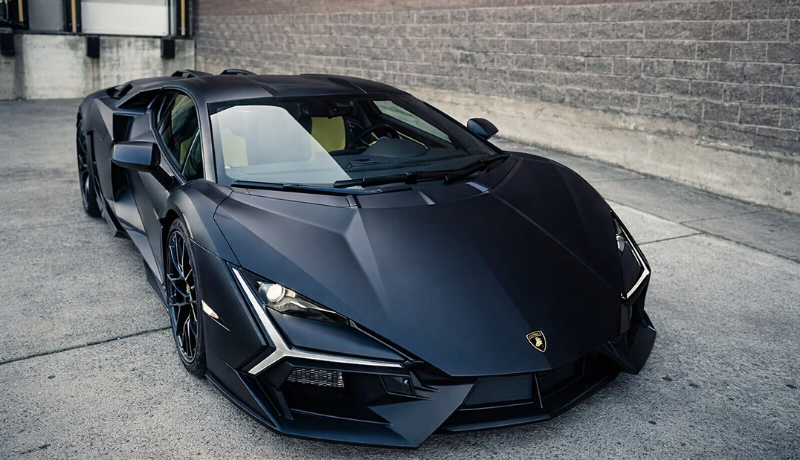
Here’s something interesting. According to industry data, satin gray, satin black, and satin bronze are currently the top-selling finishes across the automotive wrap market. Car enthusiasts often call satin black the “ultimate go-anywhere color” because it looks just as at home on a Lamborghini as it does on a Range Rover.
The global automotive wrap films market is growing fast—valued at around USD 9.28 billion in 2025 and projected to reach over USD 24 billion by 2032, with a compound annual growth rate of nearly 15%. Satin finishes are a huge part of that growth. Why? Because more car owners are realizing they don’t have to choose between protection and style anymore.
That’s where colored paint protection film (PPF) comes in—and it’s completely changing the game.
The Big Shift: From Vinyl Wrap to Colored PPF
Most people still think of car wraps as vinyl. You know, the thin, plasticky material that looks great for about two years before it starts fading, peeling, or cracking. But the industry has moved on.
Vinyl wraps typically last 3 to 7 years, with chrome and fluorescent finishes fading even faster—sometimes in as little as one year. They’re designed mainly for color change, not protection. They offer minimal resistance against rock chips, scratches, or UV damage.
Now let’s talk about colored PPF (paint protection film). This stuff is completely different. Colored PPF is made from thermoplastic polyurethane (TPU), the same material used in clear protective films that cost thousands of dollars. It’s thicker, tougher, and engineered to take real road abuse. A high-quality colored PPF can last 7 to 10 years with proper maintenance.
And here’s the kicker. Colored PPF doesn’t just protect your car—it transforms it. You get that deep, rich satin black color finish that looks like a high-end factory paint job, plus full protection against rock chips, scratches, UV rays, bird droppings, and road salt.
What Makes a Great Satin Black PPF?
Not all satin black films are created equal. I’ve seen cheap films turn yellow in six months, crack along the edges, or leave sticky residue when removed. Here’s what you should look for.
First, the material. Premium satin black PPF uses aliphatic TPU, a high-grade material that resists yellowing and UV damage. Cheap films use inferior polymers that break down under sunlight. You want a film that stays black, not one that turns brown over time.
Second, the self-healing topcoat. This is where colored PPF really shines. Modern satin black PPF has a heat-activated topcoat that repairs minor scratches and swirl marks using nothing but sunlight or a heat gun. A light scratch on a vinyl wrap stays there forever. A scratch on a quality satin black PPF? Park the car in the sun for an hour, and it vanishes.
Third, hydrophobic properties. A good satin black film repels water, dirt, and contaminants. Water beads up and rolls off, carrying dust and grime with it. This means less washing and fewer water spots. It’s a small feature that makes a huge difference in daily maintenance.
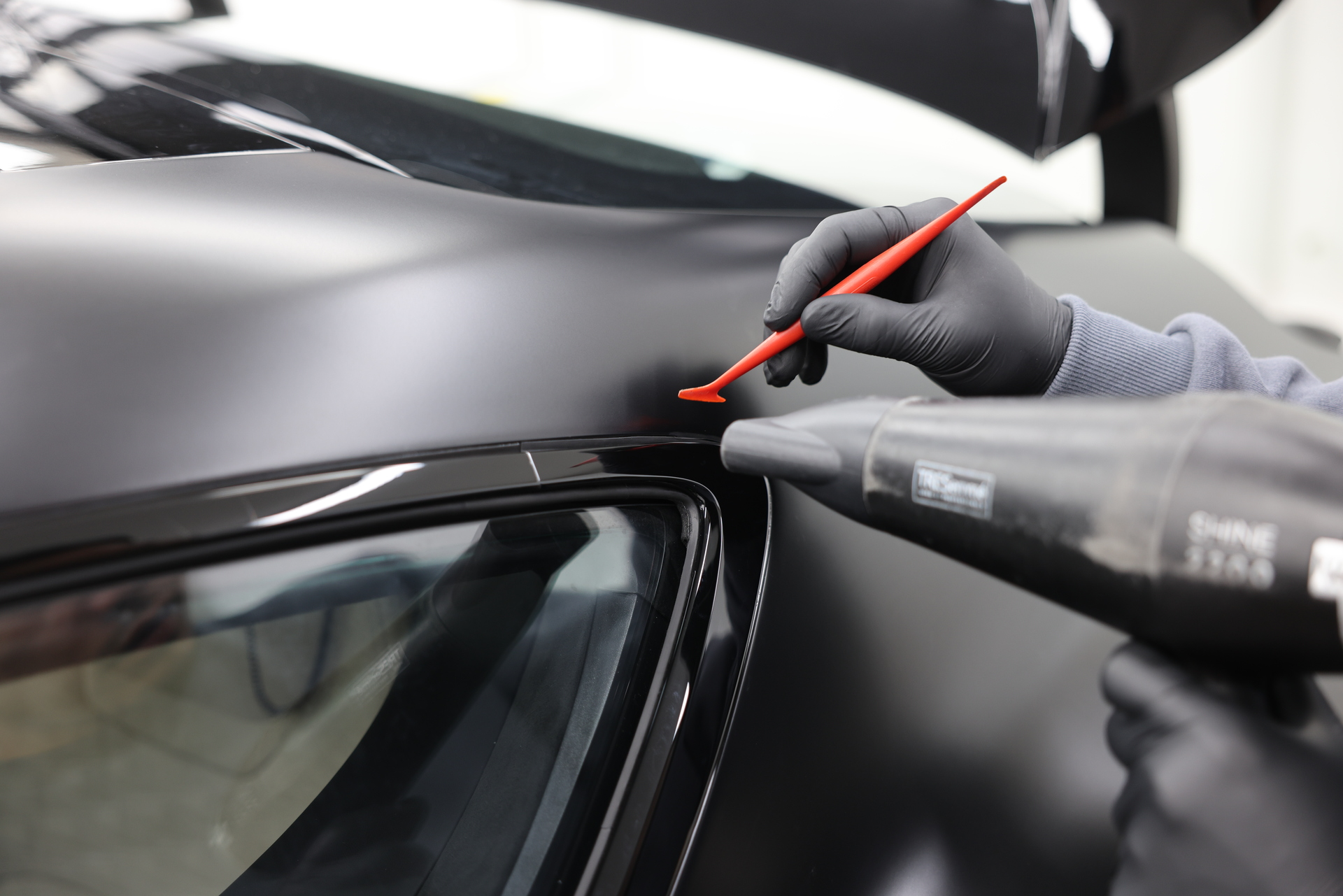
Fourth, ease of installation. Professional installers know that some films are a nightmare to work with. They fight you, they show every air bubble, and they refuse to conform to tight curves. The best satin black PPF has air-release channels and repositionable adhesive, making installation smoother and faster.
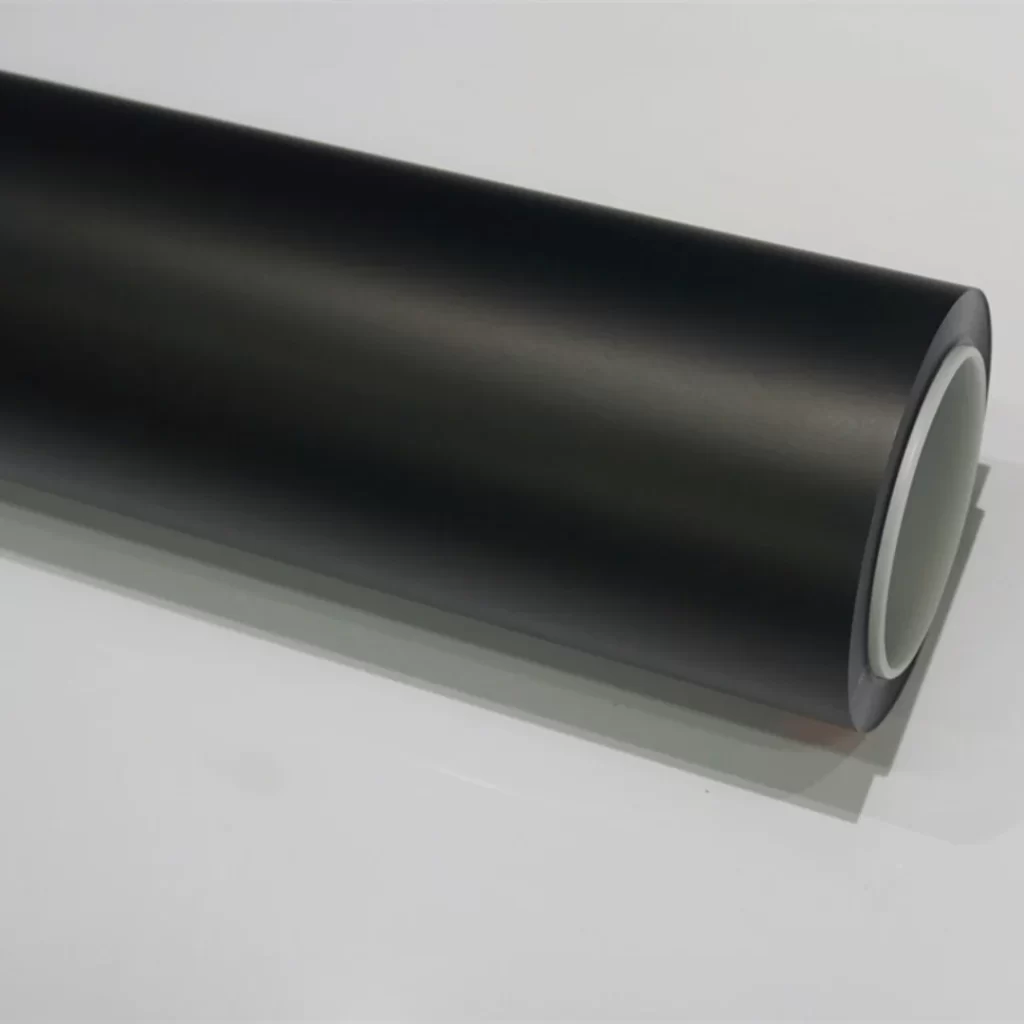
Enter Decowell Film: Satin Black Done Right
So where does Decowell Film fit into all of this?
Here’s the thing. The market is flooded with cheap films from no-name brands. They look good in photos, but once they’re on the car and exposed to real-world conditions, the problems start. Yellowing. Cracking. Lifting edges. Discoloration. It’s a headache for shop owners and a nightmare for car owners.
Decowell Film takes a different approach. They’ve built their reputation on delivering colored PPF that actually performs—not just on day one, but for years down the road.
Their satin black PPF is engineered with premium TPU construction that resists yellowing, cracking, and peeling over time. The self-healing topcoat repairs minor scratches using nothing but heat from sunlight or a warm water rinse. The hydrophobic surface repels water, dirt, and contaminants, making routine cleaning quick and effortless.
For professional installers, Decowell’s films are designed for smooth application. The material stretches and conforms to complex curves without fighting back. Air-release channels let bubbles escape easily. The adhesive holds strong without leaving residue when it’s time for removal.
And here’s what shop owners tell me they love most about Decowell Film. Consistency. Every roll delivers the same deep, rich satin black color finish. No surprises. No bad batches. Just reliable, high-quality film that makes their work look good and keeps their customers happy.
How to Maintain Your Satin Black Finish
Once you’ve got that gorgeous satin black color on your car, you want to keep it looking fresh. Here’s the simple maintenance routine that works.
Wash by hand. Use a pH-neutral car soap and a soft microfiber mitt. Avoid dish soap—it’s too harsh and can dry out the film’s topcoat over time.
Stay away from automatic car washes. The spinning brushes will scratch and dull the finish. Touchless washes are okay, but hand washing is always best.
Dry gently. Use a clean microfiber towel and pat the surface dry rather than wiping aggressively.
Skip the wax. Traditional waxes contain gloss enhancers that will make your satin finish look patchy and uneven. If you want extra protection, use a ceramic coating specifically designed for matte or satin films. Products like Gtechniq HALO are formulated to maintain the original finish without adding unwanted shine.
Clean spills immediately. Bird droppings, tree sap, and bug splatter are acidic. They can stain the film if left sitting for too long. A quick rinse or wipe-down will save you from permanent marks.
Frequently Asked Questions About Satin Black Color
Q: How long does a satin black PPF last?
A: A high-quality satin black PPF from a reputable brand like Decowell Film typically lasts 7 to 10 years with proper maintenance. Vinyl wraps, by comparison, usually need replacement after 3 to 5 years. That’s double the lifespan for a film that also provides real protection against rock chips and scratches.
Q: Is satin black easier to maintain than matte black?
A: Yes, absolutely. Satin finishes are more forgiving than matte. They show less dust and fewer fingerprints, and they’re easier to clean. Matte wraps require special care and can be permanently damaged by the wrong cleaning products. Satin black gives you that modern look without the high-maintenance headaches.
Q: Can I put ceramic coating on satin black PPF?
A: You can, but you need to use the right product. Standard ceramic coatings designed for gloss paint will add unwanted shine and ruin the satin effect. Look for ceramic coatings specifically formulated for matte or satin films, like Gtechniq HALO or FEYNLAB PPF Ceramic. These products enhance protection without altering the finish.
Q: Does satin black show scratches?
A: Quality satin black PPF has a self-healing topcoat. Minor scratches and swirl marks disappear when exposed to heat from sunlight or a heat gun. Deeper scratches may remain visible, but the self-healing technology handles most everyday wear and tear. This is a major advantage over vinyl wraps, which show every scratch permanently.
Q: How much does a full satin black wrap cost?
A: Prices vary depending on vehicle size, film brand, and installer expertise. For a full satin black PPF wrap using premium materials, expect to pay between $3,000 and $7,000. Vinyl satin black wraps are cheaper upfront—typically $2,200 to $4,500—but they don’t offer the same level of protection and won’t last as long. Think of colored PPF as an investment, not an expense. You’re paying for protection AND style in one package.
Q: Can I wash my satin black wrapped car in an automatic car wash?
A: I wouldn’t recommend it. Automatic car washes use abrasive brushes that can scratch and dull the film’s surface. If you must use an automatic wash, choose a touchless option. But hand washing with a pH-neutral soap and soft microfiber mitt is always the safest choice for keeping your satin finish looking perfect.
Q: Will satin black PPF turn yellow over time?
A: Cheap films will. That’s why material quality matters. Premium satin black PPF from reputable brands uses aliphatic TPU with UV inhibitors that prevent yellowing and discoloration. Decowell Film’s satin black PPF is engineered specifically to resist UV damage, so your car stays looking dark and stealthy for years.
Q: Can I wrap just part of my car in satin black?
A: Definitely. Partial wraps are very popular—roof, hood, mirrors, or racing stripes in satin black on a contrasting body color. Satin black accents on a white or gray car look incredible. It’s also a more affordable way to get the look without wrapping the entire vehicle.
Is Satin Black Right for Your Car?
Look, here’s the honest truth. A satin black color finish isn’t for everyone. If you love the mirror-like shine of a freshly waxed show car, stick with gloss. If you want the ultra-flat, military-grade stealth look and don’t mind the extra maintenance, matte might be your thing.
But if you want something that sits right in the middle—sophisticated, modern, and practical—satin black is the move.
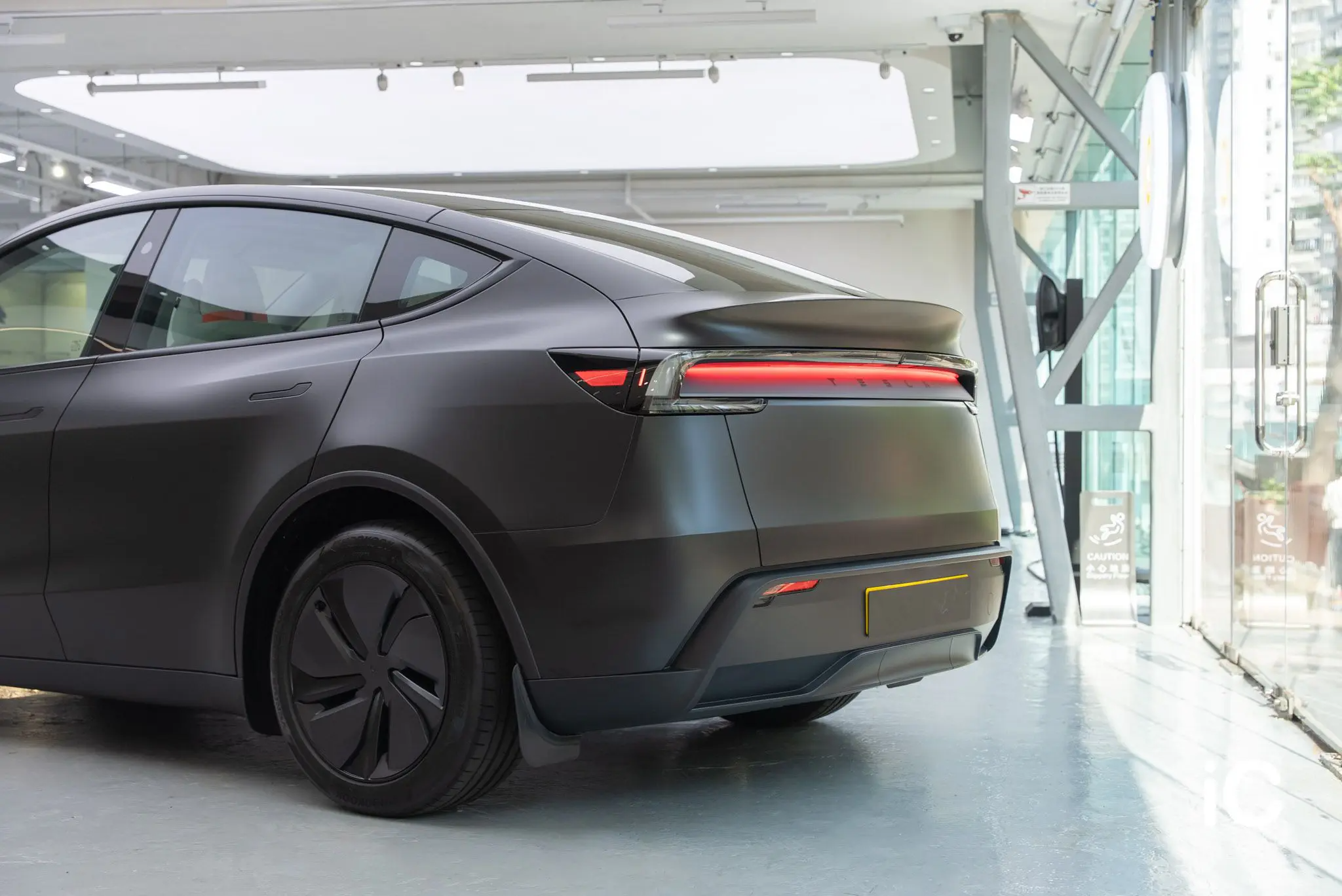
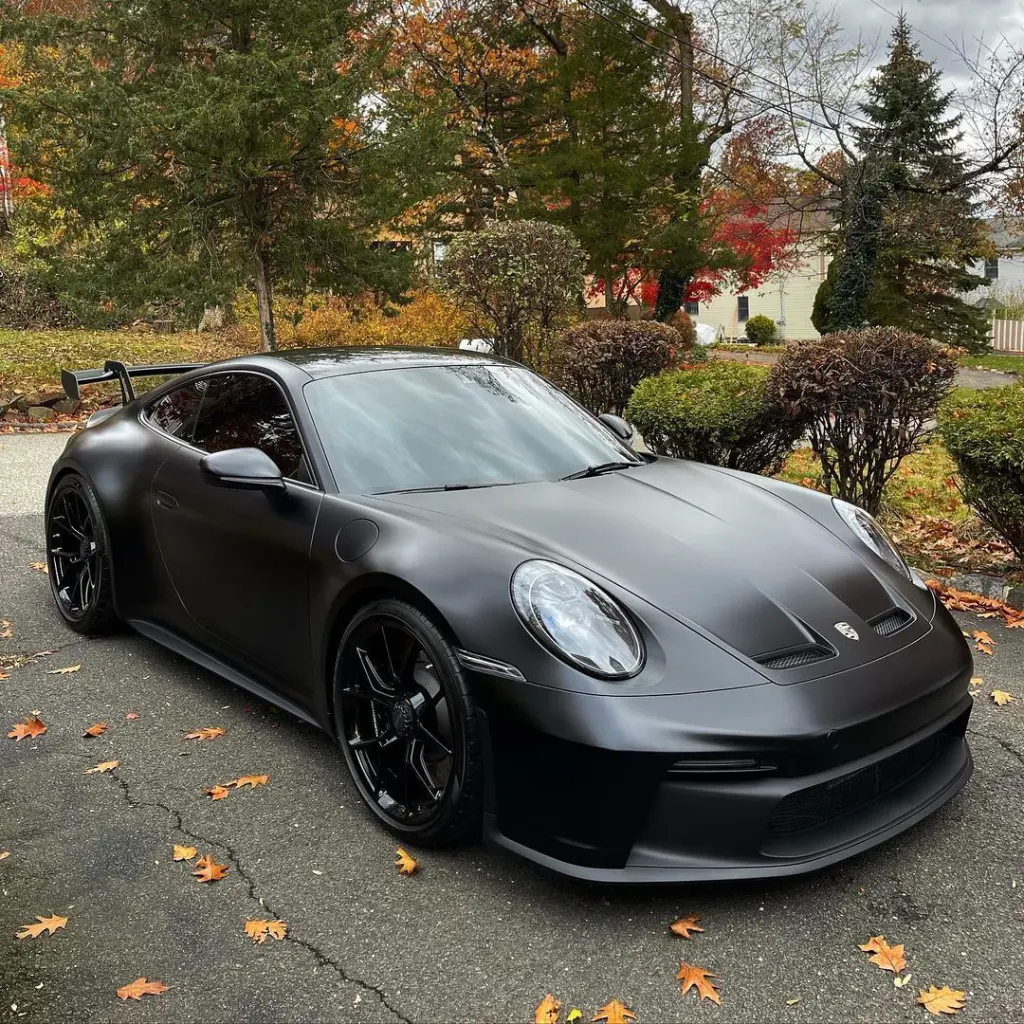
It works on everything. Sports cars look faster. Luxury sedans look more expensive. SUVs and trucks look tougher. Even electric vehicles like Teslas look sharper with a satin black wrap. That’s the beauty of this finish. It’s versatile. It’s timeless. And it just works.
Ready to Transform Your Ride?
Here’s the bottom line. The days of choosing between protection and style are over. Colored PPF has changed the game, and satin black color is leading the charge.
If you’re a shop owner looking for reliable inventory that won’t come back to haunt you with warranty claims, Decowell Film should be on your radar. Consistent quality. Real-world durability. A finish that keeps your customers smiling.
If you’re a car owner planning your next build, don’t settle for cheap vinyl that offers no protection. Invest in a satin black PPF that actually defends your paint while making your car look incredible.
Ready to see the difference for yourself?
👉 Visit Decowell Film to explore their satin black collection
👉 Request a sample swatch and see the finish in your own light
👉 Find a professional installer near you who trusts Decowell for their premium builds
Your car deserves to look good and stay protected. With satin black color PPF from Decowell Film, you don’t have to pick one or the other.
Get your quote today. Turn your car into a stealth masterpiece.