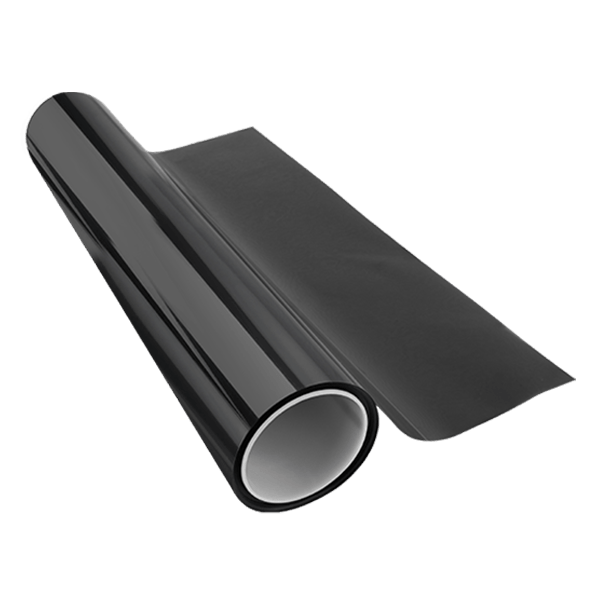
Decowell Carbon Car Window Film: The Most Comprehensive and Cost-Effective Car Film in China
20+ Years Professional Expertise | Professional Automotive Film Manufacturer | Full-Solution Provider (PPF, Window Film, Wrap Film) | 2000+ Certified Installers | From R&D to Production | High-Cost-Effective Premium Films | Ample Stock | Professional Team | Serving 40+ Countries | Reliable Logistics
Home » Products » Car Window Film » Carbon Window Film
Carbon Film — Car Window Film
Product Categories
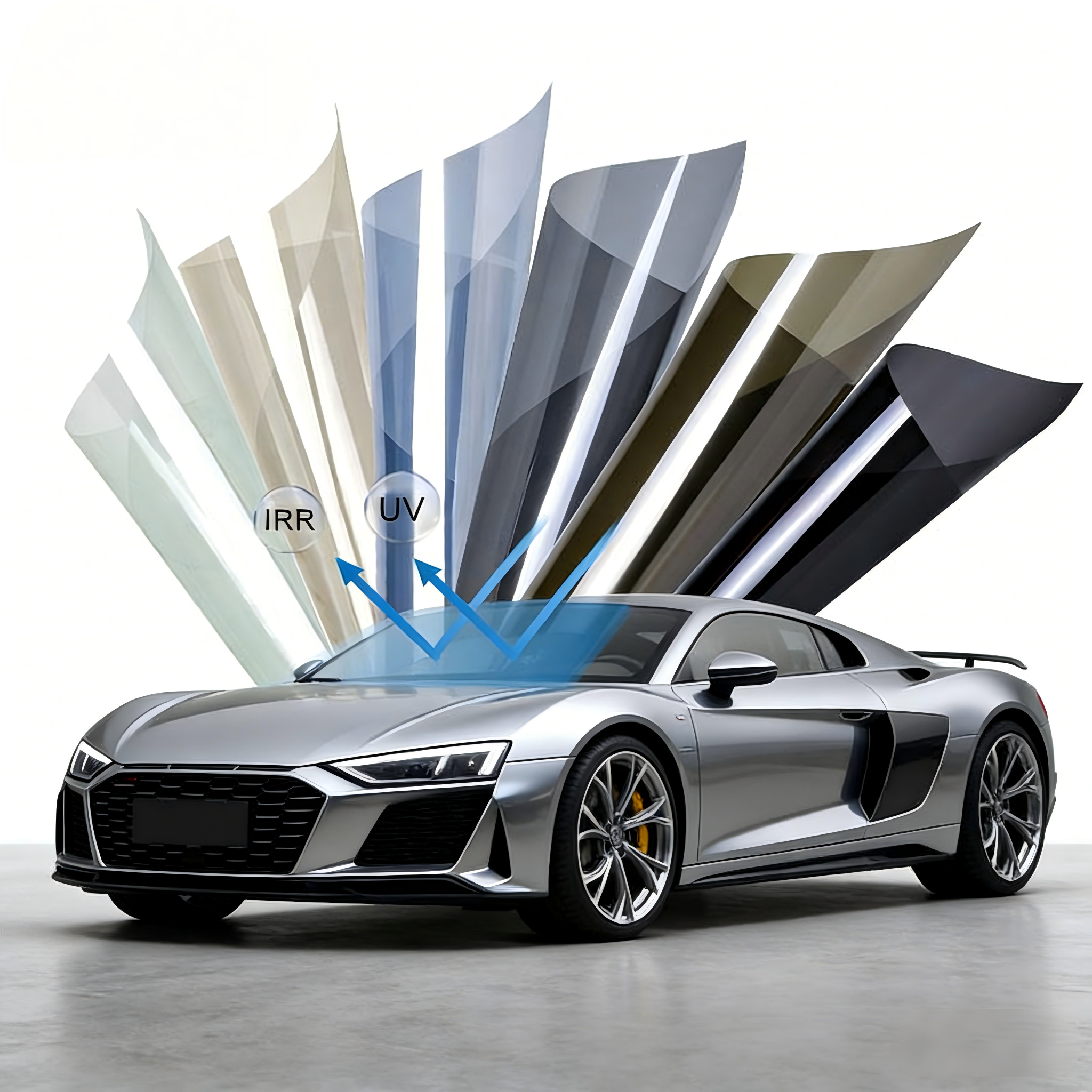
UV Rejection: 50-80%
IRR: 61%, 52%, 50%, 49%, 46%, 45%, 44%, 43%, 42%, 36%, 30%, 13%
TSER: 76%, 74%, 72%, 67%, 63%, 61%, 60%, 57%, 49%, 48%, 46%, 31%, 27%, 25%
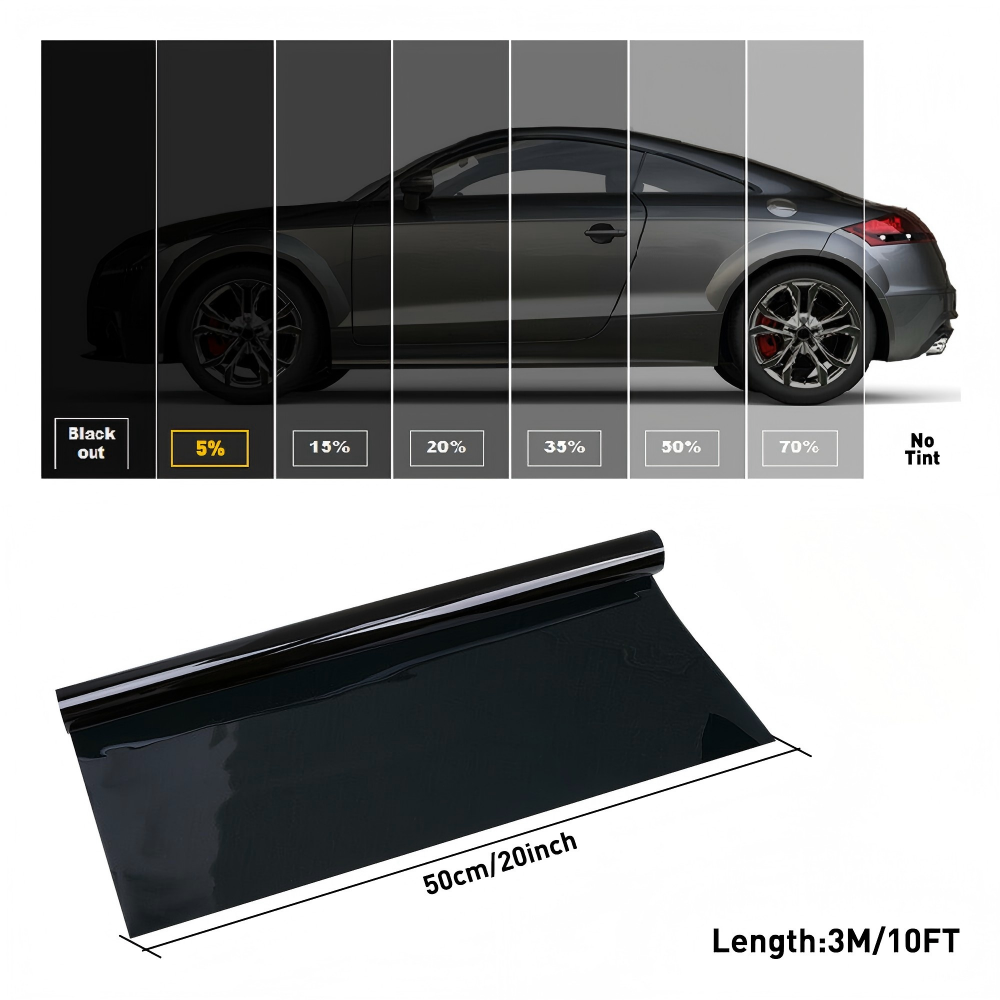
Visible Light Transmission (VLT): 83%, 71%, 65%, 64%, 50%, 32%, 27%, 24%, 22%, 20%, 15%, 7%
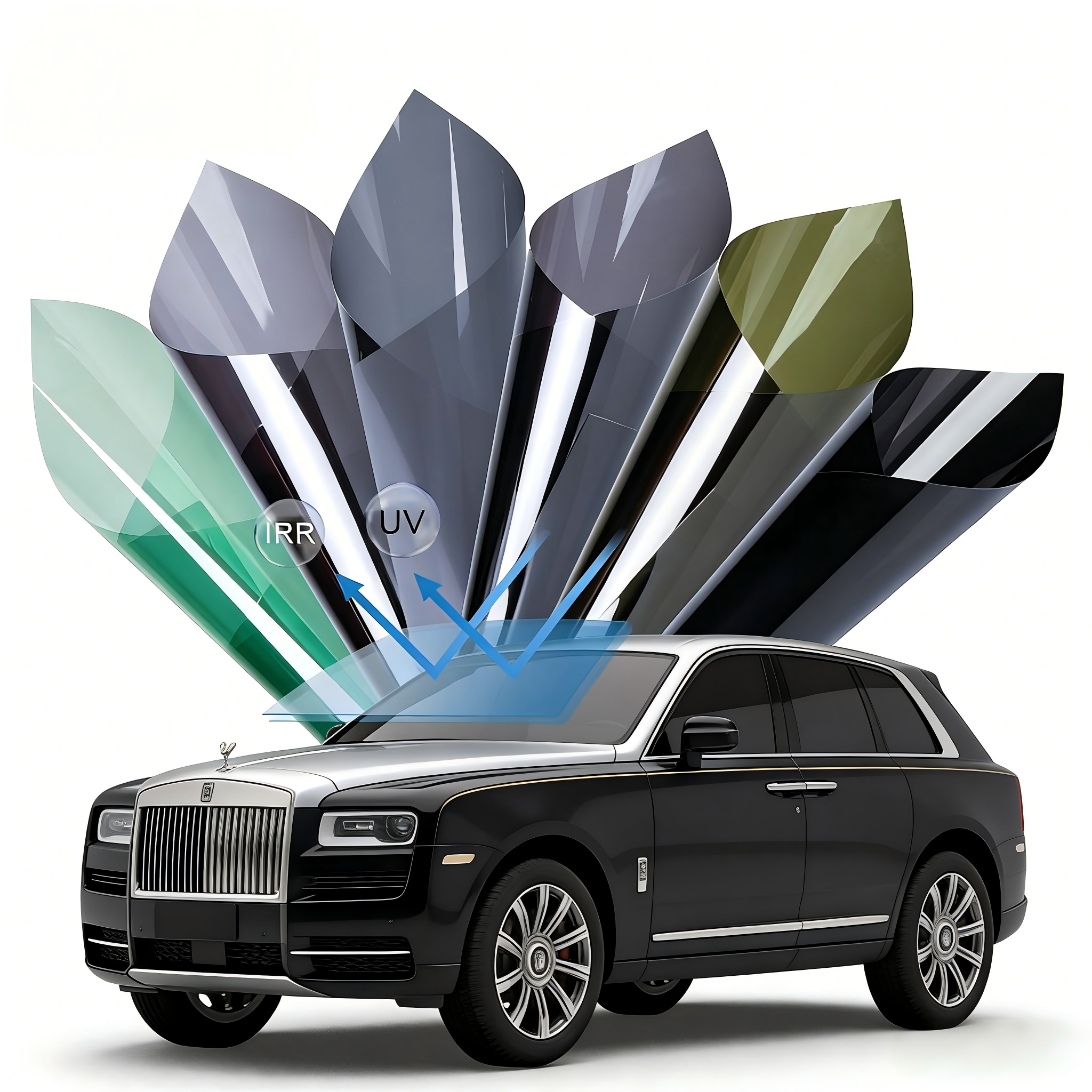
UV Rejection: 50-80%
TSER: 64%, 58%, 57%, 56%, 47%, 45%, 35%, 25%, 18%, 16%
Visible Light Transmission: 83%, 77%, 72%, 50%, 35%, 25%, 20%, 15%, 5%
IRR: 10%
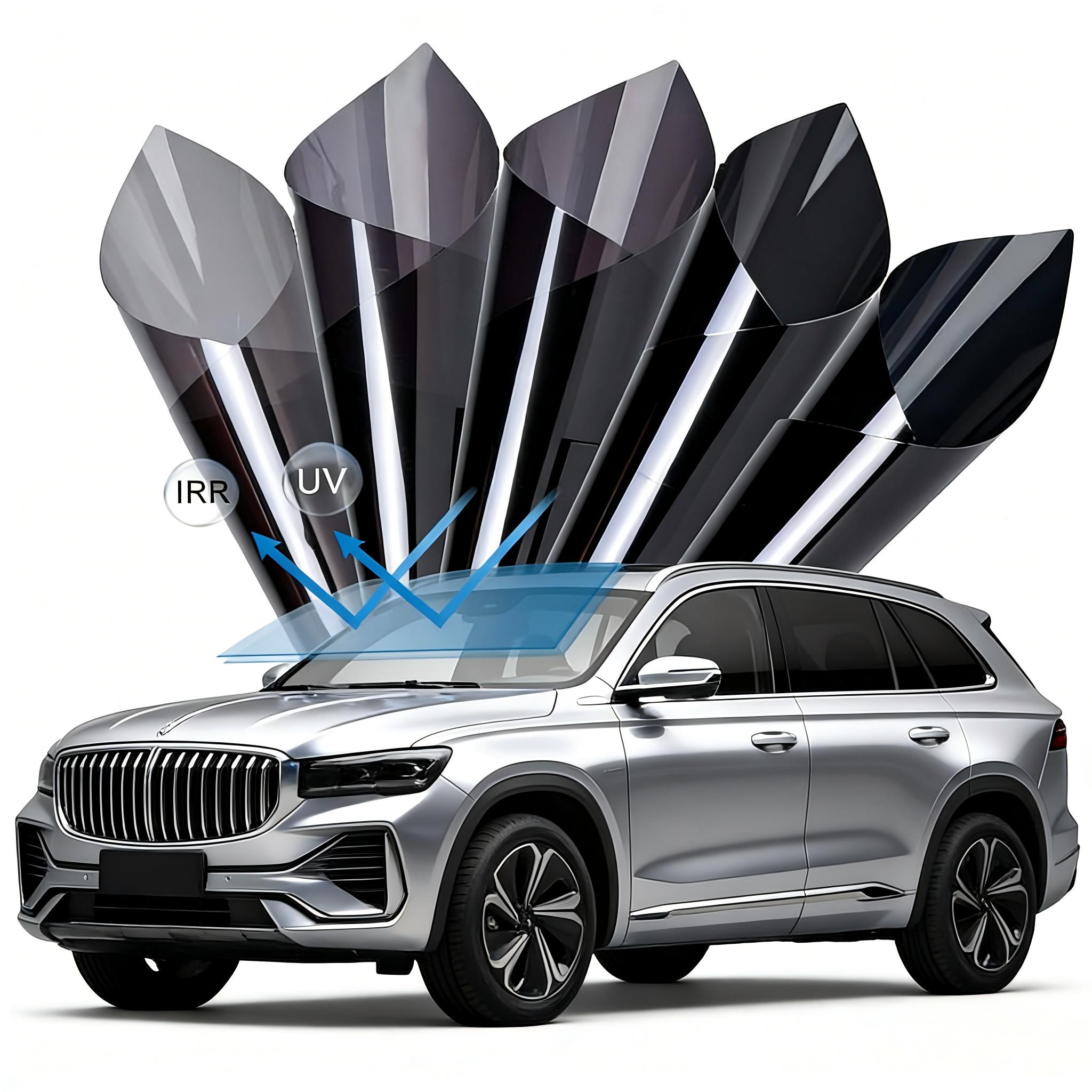
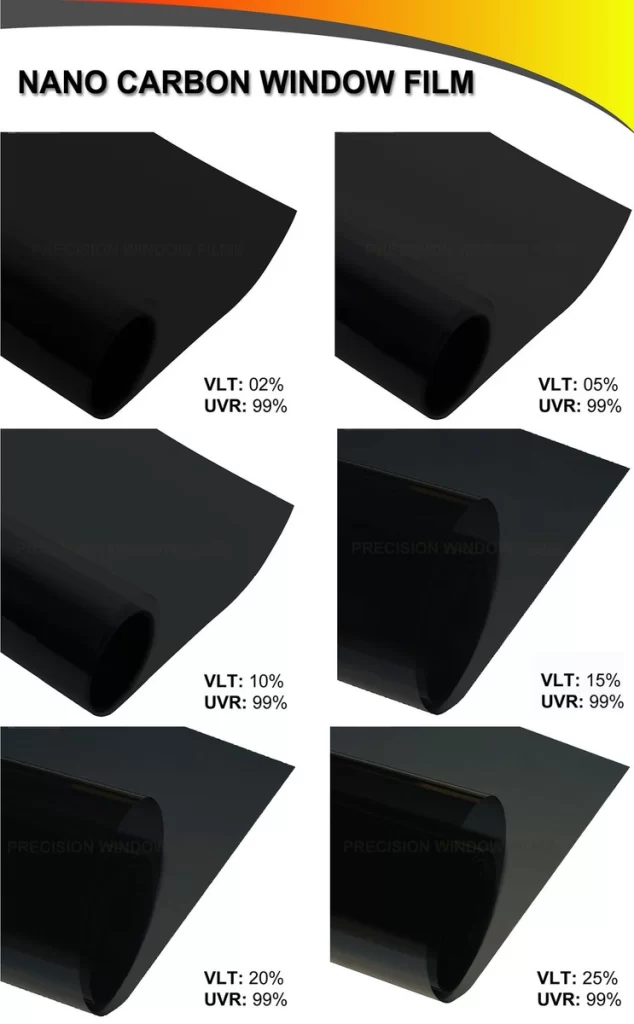
VLT (Visible Light Transmission): 70%, 35%, 15%, 5%, 2%
UV Rejection: Up to 99%
TSER: 33%, 63%, 73%, 84%, 86%
HAZE: 0.95, 1.4, 1.52, 1.73
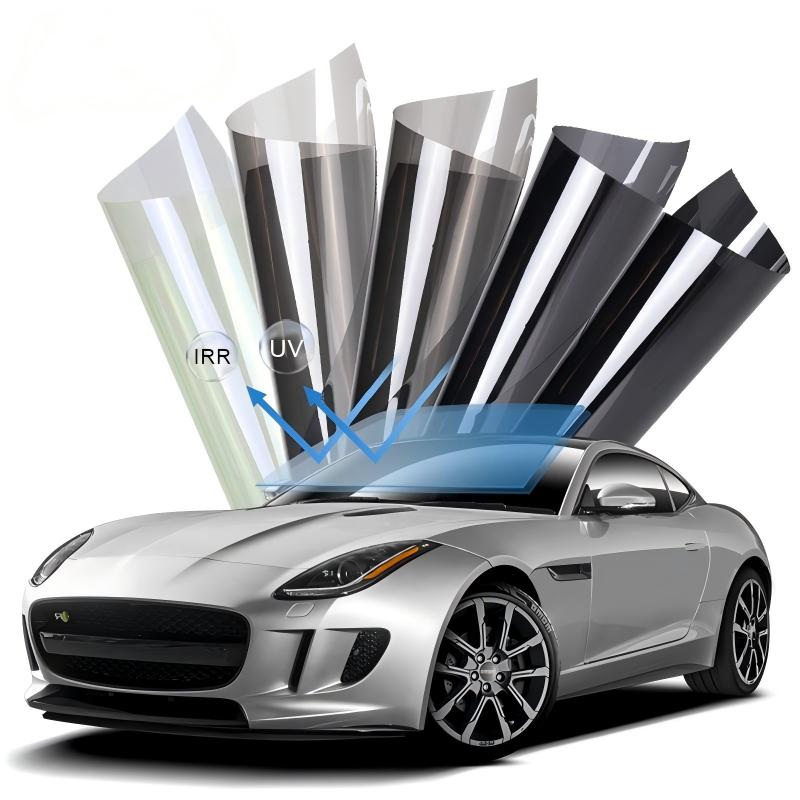
VLT (Visible Light Transmission): 85%, 50%, 35%, 15%, 5%
IRR: 60%
UV Rejection: Up to 99%
TSER: 39%, 55%, 70%, 73%, 90%
HAZE: 0.54, 0.29, 0.62, 0.98
Ditch the Mirror Look, Keep the Cool: Why Carbon Car Window Film Might Be Your Perfect Match
Let me tell you a quick story.
A few summers back, I watched my neighbor spend a whole Saturday afternoon at a tint shop. He came back with a car that looked sharp—really sharp. Dark windows. Sleek appearance. But after about two weeks, he started complaining. His GPS kept losing signal. His Bluetooth calls kept breaking up. And during sunset drives, the dashboard reflected so badly off the side windows that he felt like he was looking at a funhouse mirror.
He asked me, “What went wrong?”
Here‘s what went wrong. He picked metallic tint.
That’s exactly why so many drivers are switching to carbon car window film instead. No metal. No signal drops. No weird reflections. Just solid heat rejection, a clean matte look, and electronics that actually work.
Let’s walk through everything you need to know about carbon window tint—how it works, where it shines, where it falls short, and whether it’s the right play for your car. No heavy sales pitch. No corporate fluff. Just the real breakdown.
First Things First: Why Your Current Tint Might Be Letting You Down
Before we get into carbon specifically, let’s talk about what’s already out there. The window tint market has gone through serious changes over the years, but a lot of people still end up with the wrong film for completely understandable reasons.
Dyed film is the one most people start with. It‘s cheap. It darkens the windows. But here’s the catch: the dye absorbs heat, it doesn‘t block it. That means on a hot day, your windows literally bake, and that heat eventually radiates into your cabin anyway. And after a couple of years under the sun, dyed film fades and turns that ugly purple color we’ve all seen on old cars.
Metallized film steps up the heat rejection game by using thin metal layers to reflect solar energy. Performance-wise, it‘s decent. But metallic films interfere with GPS, cell signals, and radio reception because metal particles block radio frequency waves. That’s a non-starter for anyone driving a modern car loaded with navigation, Bluetooth, and satellite connectivity.
What Exactly Is Carbon Car Window Film?
Carbon window tint is made by embedding micro-layers of carbon particles directly into the film during manufacturing, as opposed to using dyes or metals to achieve its color and performance characteristics. These carbon particles absorb infrared radiation—the specific part of the sun‘s energy that makes your car feel like an oven—rather than reflecting it like a mirror.
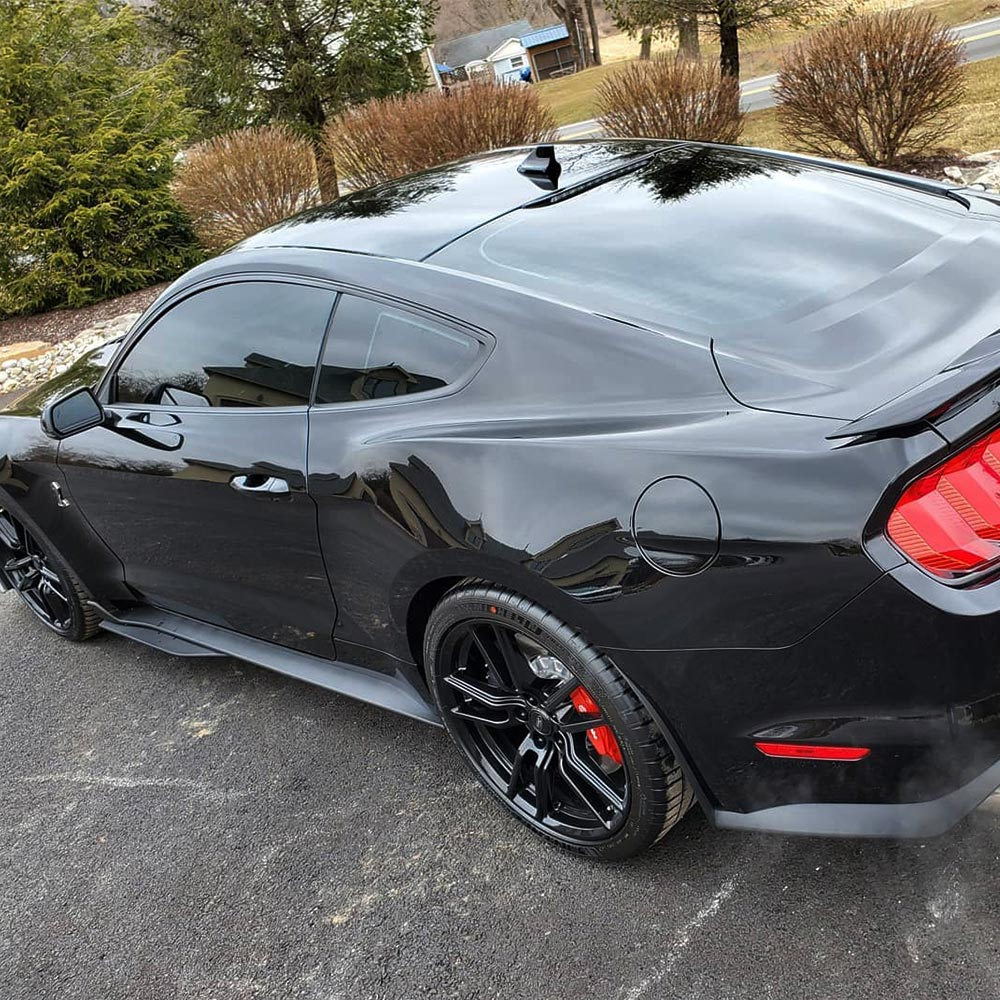
Because the color comes from carbon itself, not from dye, carbon tint won’t fade or turn purple over time the way cheap dyed films inevitably do. It‘s also completely non-metallic, which means you get all the connectivity benefits without the signal interference. And the finish? It’s a subtle, deep matte charcoal black that looks clean and understated—not flashy, not reflective, just sharp.
If you‘ve ever walked past a car with that sleek, no-glare tint that doesn’t scream “look at me,” chances are you were looking at carbon car window film.
The Real Benefits That Actually Matter to You
Let‘s skip the marketing fluff and talk about what this stuff actually does for your daily drive.
Solid heat rejection without the electronics headache. Premium carbon films block a significant percentage of infrared rays, which means your cabin stays noticeably cooler on hot days and your AC doesn’t have to work as hard. And because there‘s no metal in the film, your GPS, cell signal, and Bluetooth all keep working perfectly. Independent sources confirm that carbon and ceramic tints are generally “signal-friendly” and rarely cause connectivity issues. No dropped calls. No lost navigation routes. No frustration.
No more purple windows. Here’s something nobody tells you about dyed tint. The dye breaks down under UV exposure over time, turning your once-sharp windows into a purple, bubbled mess. Carbon car window film eliminates that problem entirely. Because the color comes from carbon particles, not dye, the film holds its deep charcoal appearance for years without discoloration or fading.
That clean, matte look. Some drivers love the mirror shine of metallic tint. Others find it tacky. Carbon car window film offers something different: a non-reflective matte finish that looks elegant without drawing attention to itself. It‘s subtle. It’s sophisticated. And because it doesn‘t reflect light aggressively, you won’t get dashboard glare bouncing back at you from the side glass.
UV protection for your skin and interior. Quality carbon film blocks the vast majority of harmful UV rays, protecting your skin from sun damage and preventing your dashboard, seats, and door panels from fading and cracking over time. The Skin Cancer Foundation even recommends UV-blocking window film as an effective way to reduce skin cancer risk for frequent drivers.
Scratch resistance. Carbon particles also add structural durability to the film, making it more resistant to scratches than dyed alternatives. That means fewer annoying little marks showing up where kids or pets have pressed against the glass.
Glare reduction without going too dark. Driving directly into sunrise or sunset is genuinely dangerous. Carbon car window film cuts down harsh glare effectively, helping you keep your eyes on the road instead of squinting through blinding light.
Where Does It Fall Short? Let’s Be Honest.
No product is perfect across the board, and carbon car window film has a few trade-offs worth knowing about.
Carbon doesn‘t reject as much heat as ceramic. Ceramic films typically block more infrared radiation than carbon counterparts. If you live somewhere with extreme summer heat—think Arizona, Texas, or inland California—carbon will definitely help, but ceramic will keep your car cooler.
Carbon tint can occasionally create glare or haze under certain lighting conditions. Because carbon particles absorb and trap light rather than reflecting it, some drivers notice a slight haze effect when viewing their side mirrors or looking through the windshield at sharp angles. The carbon particles embedded in carbon tint films internally trap and reflect light, which can occasionally result in visibility issues. This is usually subtle, but worth mentioning.
Carbon isn‘t the absolute cheapest option either. It costs more than dyed or metallic films. But compared to ceramic, it remains significantly more accessible for drivers who want solid performance without the premium price jump.
Carbon vs. Ceramic: The Head-to-Head You Actually Need
Let me make this comparison simple. You don’t need a chemistry lesson. You just need to know which one fits your situation.
| Feature | Carbon Car Window Film | Ceramic Window Film |
|---|---|---|
| Heat rejection | Good (typically 40-55% IR block) | Excellent (typically 70-90%+ IR block) |
| Signal interference | None | None |
| Appearance | Matte charcoal finish | Clean, natural look |
| Fade resistance | Excellent (carbon particles don’t degrade) | Excellent |
| Cost | Mid-range | Premium |
If your priority is maximum heat rejection and cost isn‘t a primary concern, ceramic is the stronger performer. If you want a significant upgrade over dyed tint with strong heat rejection, signal safety, and that sleek matte look—without spending premium money—carbon car window film hits the sweet spot.
Think of it this way. Ceramic is the sports car of window films. Carbon is the luxury sedan. Both get you where you’re going in comfort. One just costs less to drive.
Who Should Actually Buy Carbon Car Window Film?
Let me help you self-diagnose.
Carbon makes a lot of sense if:
You drive a modern car and rely on GPS, Bluetooth, or satellite radio every day
You want genuine heat rejection but don‘t need ceramic-level extremes
You prefer a non-reflective matte finish over a shiny mirror look
You plan on keeping your car for several years and don’t want purple windows
You want solid scratch resistance and durability without breaking the bank
Carbon probably isn‘t your best bet if:
You live in an area with brutal summers and park outside all day
You’re willing to pay more for the absolute highest heat rejection numbers
You drive a luxury or exotic car and want only the best
A slight haze effect would genuinely bother you
In other words, carbon car window film is the pragmatic choice for drivers who want real performance without paying for the absolute top tier. It‘s not the cheapest option—but it’s also not the most expensive, and it delivers where it actually counts.
Does It Work With All Your Car‘s Tech?
This is such an important question that I want to give it its own section.
Metallic window tint has a known problem: metal particles interfere with radio frequency waves, which can degrade GPS reception, cell signal, and satellite radio connectivity.
Carbon car window film solves this problem completely because it contains zero metal. The carbon particles in the film are non-conductive, meaning they don’t block or reflect the signals your devices rely on.
Your navigation locks quickly. Your calls stay connected. Your music streams without cutting out.
In fact, carbon and ceramic tints are so reliable in this area that they‘re widely recommended for anyone who uses navigation apps, works from their vehicle, or spends time driving in areas with weak cell coverage where every bit of signal matters.
If you’re the type of driver who plugs in a destination before every trip—or takes work calls from the driver‘s seat—carbon car window film is a no-brainer for that reason alone.
A Quick Word About Haze
I mentioned this earlier, but let’s come back to it because it‘s a detail most sales guides conveniently leave out.
Because carbon particles absorb light rather than reflect it, some carbon films can produce a slight haze effect under specific lighting conditions—usually when you’re looking through the side window at an angle with the sun coming from behind. This isn‘t a defect. It’s simply how light interacts with the carbon particle matrix inside the film.
For most drivers, the haze is subtle—barely noticeable in daily driving. But if you‘re particularly sensitive to optical clarity, or if you spend a lot of time looking through side glass at oblique angles, ceramic might be worth the upgrade.
Decowell Film’s carbon products are engineered to minimize this effect through precision manufacturing and high-purity carbon materials, delivering excellent clarity while still giving you all the benefits of carbon technology.
How to Take Care of Carbon Car Window Film
Once your film is properly installed, keeping it in top shape isn’t complicated—but there are a few things you should know.
Let it cure before you touch it. After installation, leave your windows rolled up for several days. The film needs time to fully bond to the glass. Roll them down too early, and you risk peeling the edges or trapping moisture underneath.
Clean it the right way. Avoid ammonia-based glass cleaners entirely. Ammonia breaks down the adhesive over time and can yellow the film. Stick with mild soap and water or an ammonia-free glass cleaner. Always use a soft microfiber cloth, not paper towels or abrasive sponges.
Watch the edges. Dirt and debris can build up along the edges of your tint. Pay attention to those areas when you clean, but don‘t scrub aggressively near the film boundaries.
Park smart when you can. Covered parking isn’t always an option, but when it is, use it. Less direct sun exposure means your window film lasts even longer.
Treat your carbon car window film with basic care, and it will keep performing and looking great for years.
The Bottom Line on Carbon Car Window Film
Here‘s the honest truth.
If you want the absolute best heat rejection money can buy, get ceramic. If you’re on a tight budget and appearance is your only concern, dyed film exists. But for everyone else? For the driver who wants genuine performance, modern connectivity, lasting durability, and a clean, non-reflective look—all without paying premium pricing—carbon car window film is the sensible answer.
It blocks heat effectively. It protects your interior. It shields your skin. It keeps your GPS, phone, and radio working perfectly. It won‘t turn purple after two summers. And it looks good doing all of it.
Carbon won’t win every single category on a spec sheet. But in the real world, where you actually drive your car every day, it delivers where it counts.
So stop settling for old-school tint that either fades, blocks your signal, or forces you to overpay. Take a smart step forward.
Decowell Film offers advanced carbon car window film engineered with precision materials and cutting-edge manufacturing. You get reliable heat rejection, full UV protection, zero signal interference, and a sharp matte finish that elevates your ride without shouting for attention.
Better comfort. Better connectivity. Better every drive.
Get in touch with Decowell Film today and upgrade to carbon.
Frequently Asked Questions
Q: What exactly is carbon car window film made of?
A: Carbon window tint is manufactured by embedding micro-layers of carbon particles directly into the film, giving it color and performance characteristics without using dyes or metals. The carbon itself provides the dark appearance, not dye layers that can fade.
Q: Does carbon car window film interfere with GPS or cell signals?
A: No. Carbon films contain zero metal particles, which means they do not block or reflect the radio frequency waves used by GPS, mobile phones, and satellite radio. Independent testing confirms that carbon and ceramic tints are generally “signal-friendly” and rarely cause connectivity problems.
Q: How well does carbon car window film reject heat compared to ceramic?
A: Carbon provides good heat rejection—which is a noticeable upgrade over dyed films. Ceramic typically outperforms carbon in terms of sheer heat rejection numbers, but carbon still delivers meaningful cooling for most daily driving conditions.
Q: Will carbon car window film turn purple over time?
A: No. Because the color comes from carbon particles rather than dye layers, carbon film will not fade or discolor over time the way dyed films inevitably do. Carbon maintains its deep charcoal appearance for years.
Q: What does carbon car window film look like on a car?
A: Carbon tint has a subtle, non-reflective matte charcoal finish. It’s sleek without being shiny or mirror-like, and it won‘t produce the harsh dashboard reflections that some reflective films cause.
Q: Can I see the haze effect in carbon car window film?
A: Some carbon films can produce a slight haze under specific lighting conditions, usually when viewing through side windows at an angle with light coming from behind. Decowell Film’s manufacturing process minimizes this effect significantly, but it’s worth knowing that carbon particles absorb light differently than ceramic particles.
Q: How should I clean carbon car window film?
A: Always avoid ammonia-based glass cleaners, which can break down the adhesive and yellow the film. Use mild soap and water or an ammonia-free cleaner with a soft microfiber cloth. Allow the film to cure fully before cleaning, and avoid abrasive materials near the edges.
Q: Is carbon car window film legal everywhere?
A: Window tint legality varies by region based on Visible Light Transmission (VLT) percentages. Carbon film itself is legal in all areas—the question is how dark you go. Always check your local tint laws before installation. Decowell Film offers multiple VLT options to help you stay compliant.