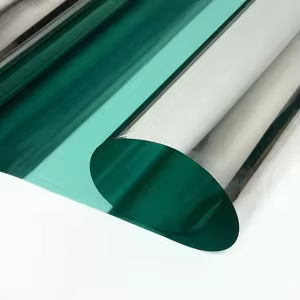
Decowell Diffuse Reflection Film — Car Window Film
20+ Years Professional Expertise | Professional Automotive Film Manufacturer | Full-Solution Provider (PPF, Window Film, Wrap Film) | 2000+ Certified Installers | From R&D to Production | High-Cost-Effective Premium Films | Ample Stock | Professional Team | Serving 40+ Countries | Reliable Logistics
Home » Products » Car Window Film » Nano Ceramic Window Film » Diffuse Reflection Window Film
Product Categories
Diffuse Reflection Film
— Car Window Film
Specifications
Material: Premium PET with Nano-Ceramic Coating
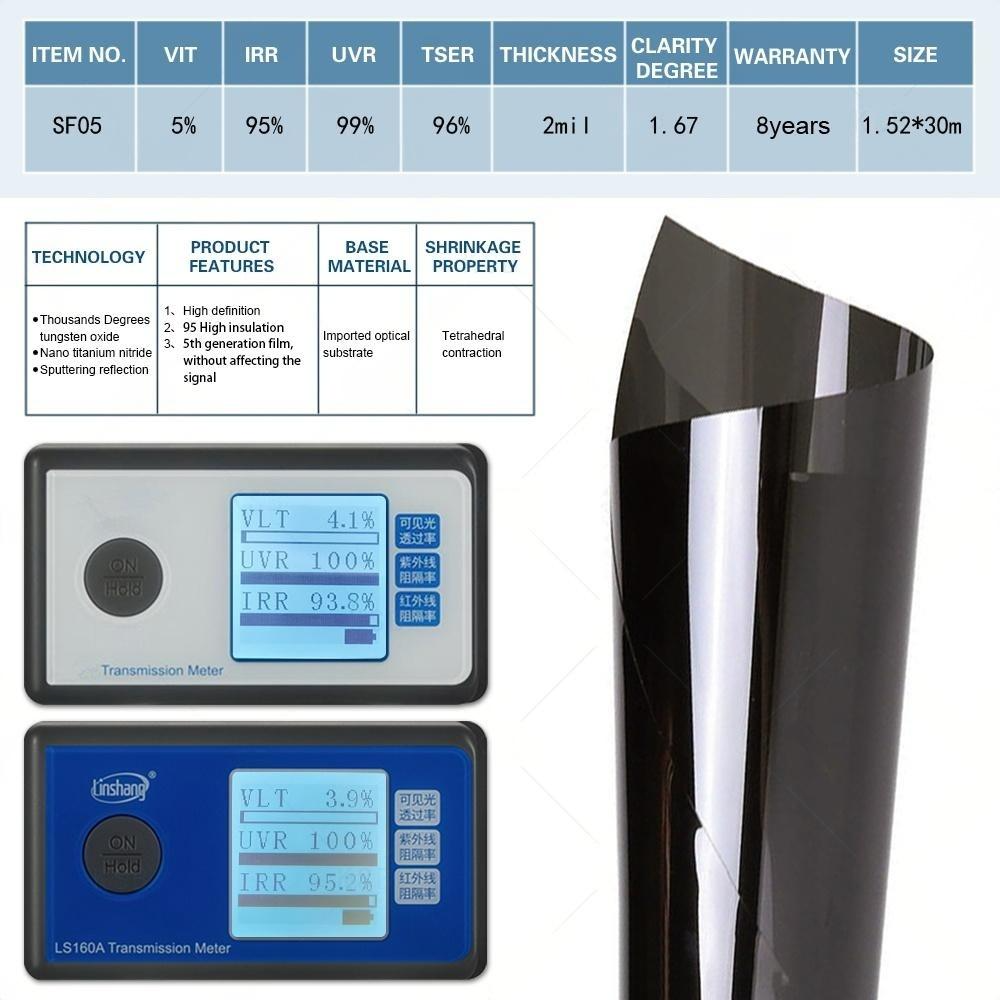
Thickness: 2 Mil
Size: 1.52*30m
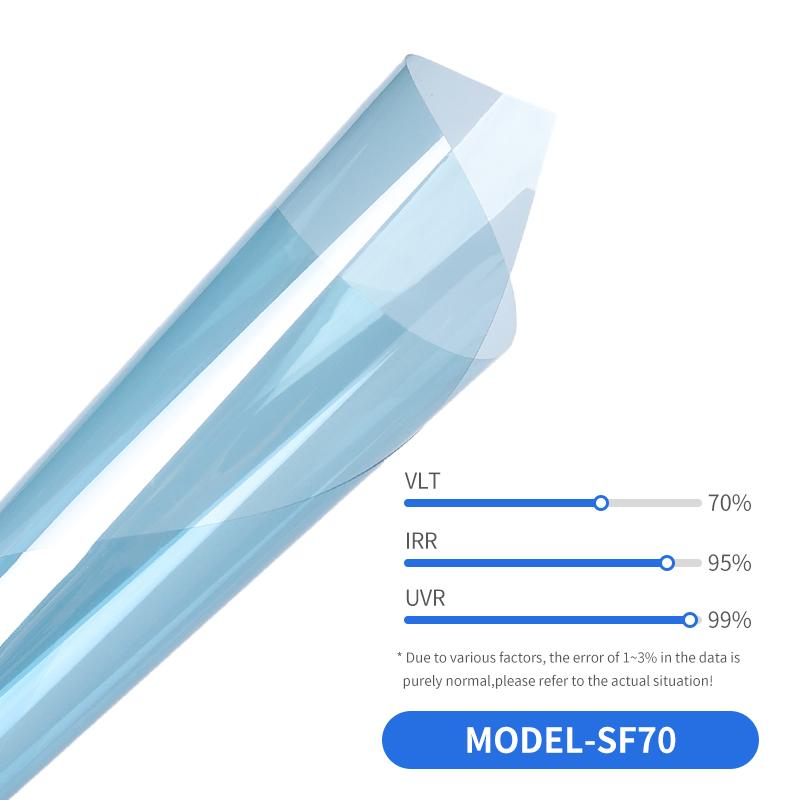
UV Rejection: 99%
IR Rejection: 99%
Heat Insulation: 95%
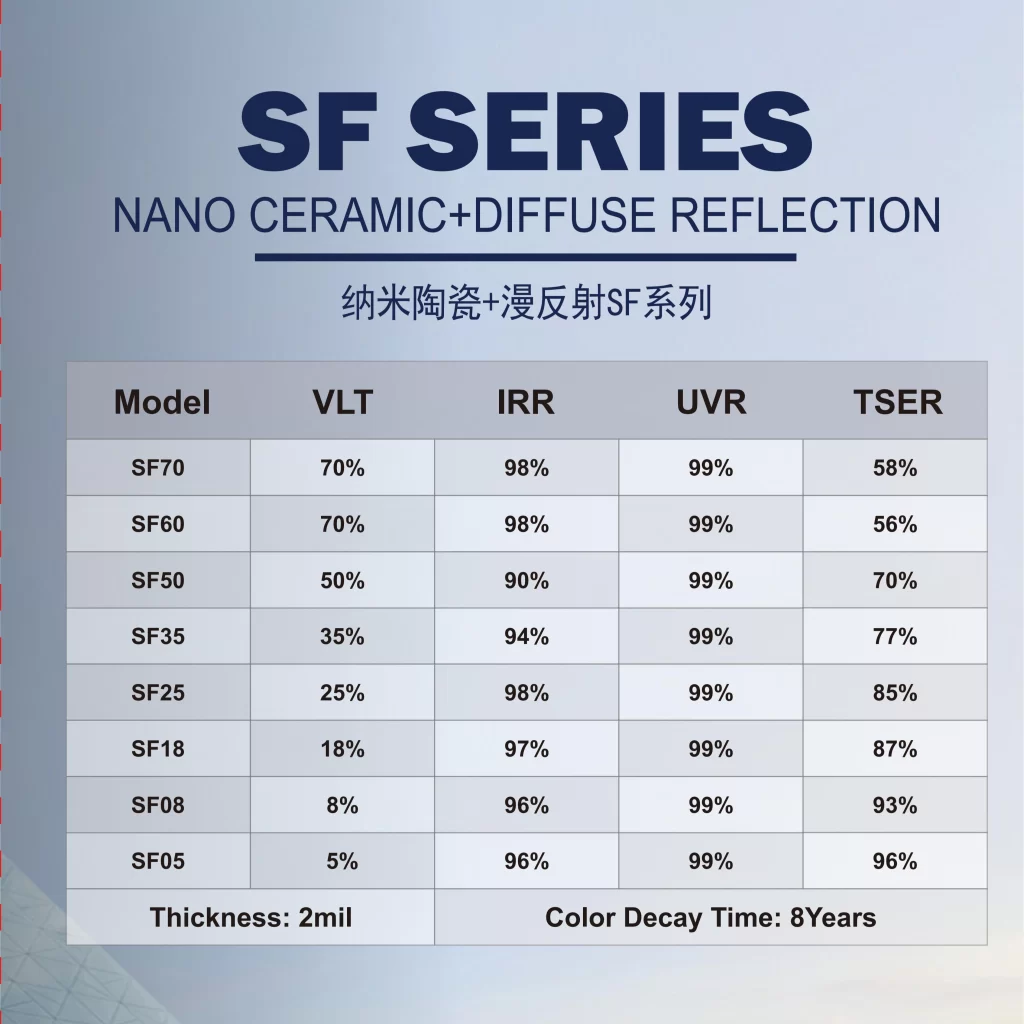
TSER: 58%, 70%, 77%, 87%, 93%,l 96%
HAZE: 0.42, 0.45, 0.52, 0.56, 0.54, 0.45
Function: Self-Healing, UV Proof, Sand Proof, Anti-Scratch, Privacy Protection, Infrared Proof, Diffuse Reflection
Signal Compatibility: 5G Friendly / Non-Metallic
Optical Substrate: Imported High-Definition Base
Installation Feature: Four-Side Shrink Capability
Position: All automotive glass (Side Windows, Rear Window, Windshield with appropriate VLT)
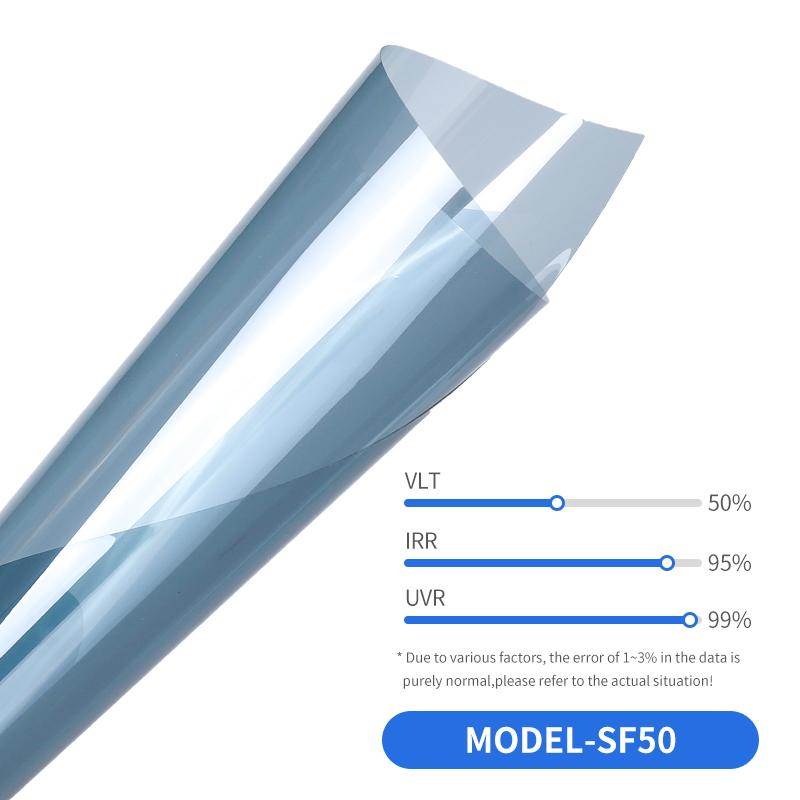
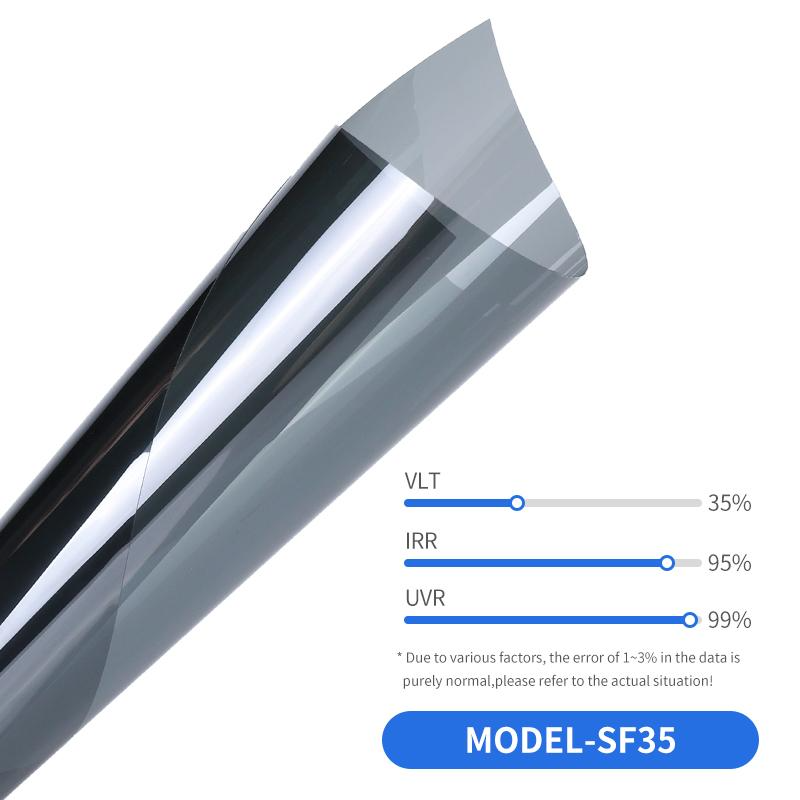
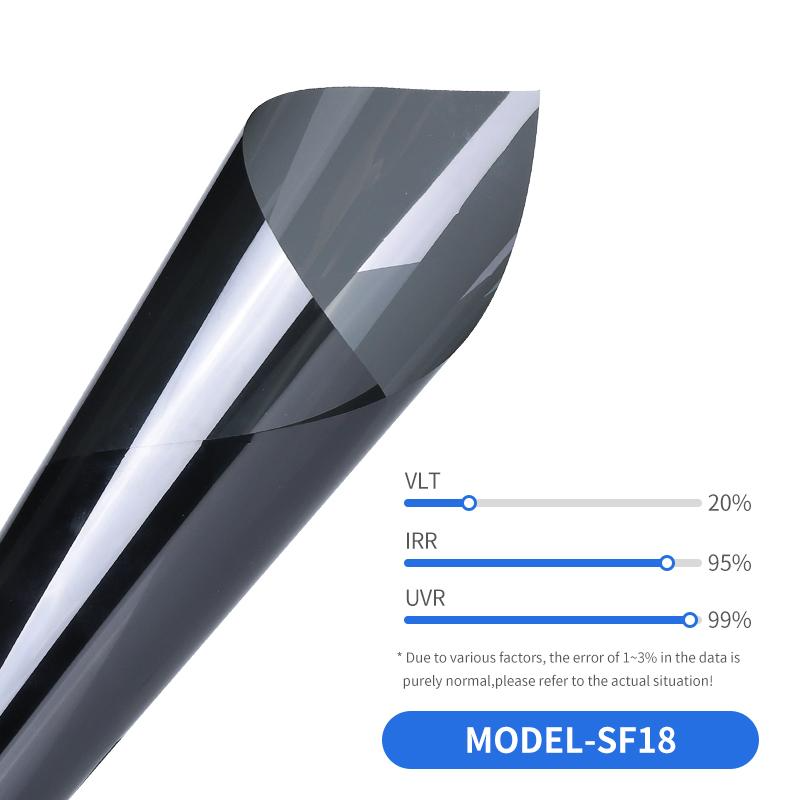
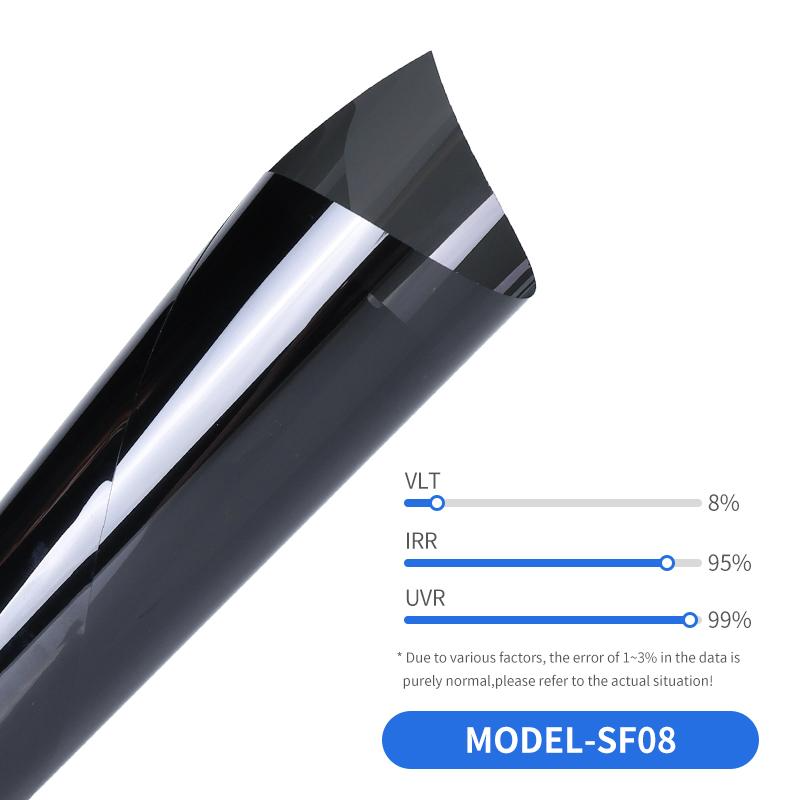
VLT Options: 70%, 50%, 35%, 20%, 8%, 5%
Color Options: Blue, Gray, Light Black, Black, Dark Black, Super Dark Black
Certification: CE, RoHS Certified
Compliance: Complies with EU Standards
Overview
Experience the pinnacle of window film technology with Decowell Diffuse Reflection Film. Engineered for drivers who demand the very best, this premium nano-ceramic film delivers exceptional heat rejection, crystal-clear visibility, and superior glare reduction through advanced diffuse reflection technology.
Whether you’re a professional installer seeking a high-performance film for luxury vehicles or a car owner looking to upgrade your driving experience, Decowell Diffuse Reflection Film sets a new standard for comfort, protection, and optical clarity.
Key Features
1. Advanced Diffuse Reflection Technology
Proprietary diffuse reflection coating minimizes harsh glare without compromising visibility.
Reduces eye strain and fatigue during long drives, especially in bright sunlight.
Maintains natural color perception without the “mirror-like” appearance of traditional reflective films.
2. Premium Nano Ceramic Construction
Features Kilowatt Tungsten Oxide and Nano Titanium Nitride for superior heat absorption.
Non-metallic construction ensures zero signal interference with 5G, GPS, and mobile devices.
Provides 95% infrared rejection and 99% UV protection for maximum comfort and safety.
3. Maximum Heat Insulation
Achieves 95% high insulation performance, significantly reducing cabin temperature.
Lowers air conditioning load, potentially improving fuel efficiency.
Keeps your vehicle comfortable even in the hottest climates.
4. 5G Friendly & Signal Transparent
Unlike metallic films, Decowell Diffuse Reflection Film is 5G compatible.
Ensures uninterrupted reception for GPS navigation, mobile calls, and radio signals.
Perfect for modern vehicles equipped with advanced communication and sensor systems.
5. Premium Optical Clarity
Made with an imported optical substrate for crystal-clear views.
High-definition transparency ensures minimal visual obstruction day and night.
True color rendition without the “hazy” or “milky” look of lower-quality films.
6. Superior Installation Characteristics
Engineered for four-side shrink capability, allowing professional installers to achieve perfect results on complex curved windows.
Excellent conformability reduces installation time and waste.
Compatible with all standard window tinting tools and techniques.
7. Built to Last
Backed by a comprehensive 8-year warranty against fading, bubbling, and peeling.
Self-healing surface technology helps minor scratches disappear with heat exposure.
Anti-scratch coating protects against daily wear from window operation.
Sand-proof and durable construction maintains performance in harsh conditions.
Applications
Luxury Vehicles: Premium protection for high-end automobiles
Passenger Cars: Superior comfort for everyday driving
SUVs & Trucks: Effective heat control for larger cabins
Commercial Fleets: Professional-grade durability for company vehicles
Front Windshield: Higher VLT options (70%, 60%) suitable where legally permitted
FAQ
Q: What makes Diffuse Reflection Film different from standard window tint?
A: Diffuse Reflection Film uses advanced optical technology to scatter harsh light, reducing glare while maintaining clarity. Unlike standard tints that simply darken the glass, our diffuse reflection coating actively manages light transmission for superior visual comfort.
Q: Does this film interfere with 5G, GPS, or phone signals?
A: No. Decowell Diffuse Reflection Film is 100% non-metallic, using advanced nano-ceramic technology that allows all electronic signals to pass through clearly. It is specifically designed to be 5G friendly.
Q: What is the warranty period?
A: This film comes with a comprehensive 8-year warranty against fading, bubbling, peeling, and delamination.
Q: What VLT should I choose for my vehicle?
A: Consider your needs and local regulations:
70%/60%: Windshield applications (where legal), maximum clarity
50%: Front windows, subtle tint with good night vision
35%: Balanced privacy and visibility
25%/18%: Enhanced privacy
8%/5%: Maximum privacy, best for rear windows
Q: Can this film be installed on curved windows?
A: Yes. The film is specifically engineered with four-side shrink capability, making it ideal for complex curved windows and professional installation.
Q: Is the film scratch-resistant?
A: Yes. The film features a durable anti-scratch coating and self-healing properties that help minor surface marks disappear with heat exposure.
Q: What is “four-side shrink” capability?
A: This refers to the film’s ability to be heat-shrunk evenly in all directions during installation, allowing it to conform perfectly to complex curved window shapes without wrinkles or gaps.
Q: Do you offer samples?
A: Yes, free A4 size samples are available for testing and evaluation. Contact us for details.
Q: What is the MOQ for custom branding?
A: Custom logo and packaging are available through our OEM/ODM service. Please contact us for specific MOQ requirements.
Q: Is this film suitable for building windows?
A: While primarily designed for automotive applications, the film’s heat rejection and UV protection properties make it suitable for architectural use as well. Contact us for building-specific recommendations.
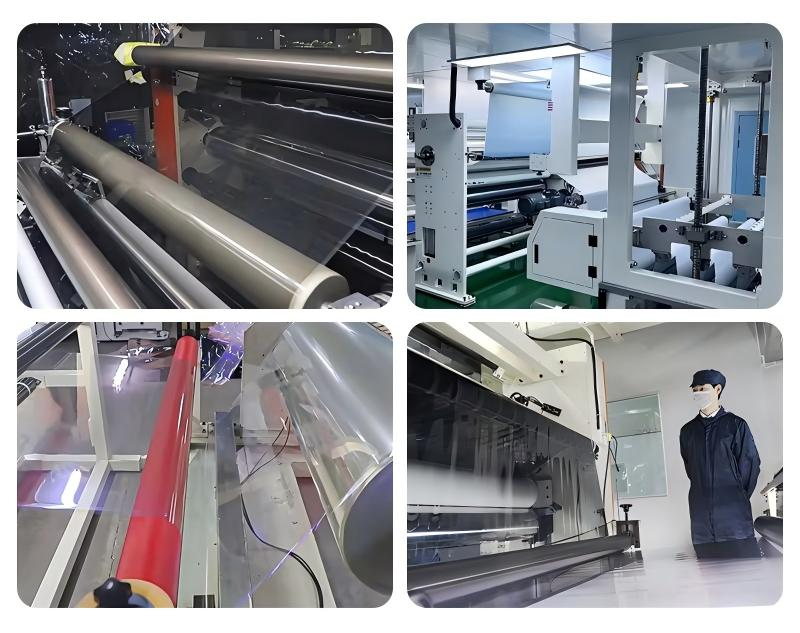

Reflection Car Window Film: The Smart Choice for Heat Rejection, Privacy, and Driving Comfort
Picture this. You step into your car after a long day, only to feel like you’re climbing into a mobile sauna. The steering wheel burns your palms. The seats radiate heat. Your air conditioner kicks into high gear just to make the cabin bearable.
This is exactly the kind of discomfort that reflection car window film is designed to eliminate. Unlike basic dyed tints that simply darken your windows, reflection car window film actively pushes solar energy back outside before it can heat up your interior.
But how does it actually work? And is it the right option for your vehicle—or for your customers if you’re a professional installer or distributor?
Let’s walk through everything you need to know. No technical overload. No fluff. Just honest, useful information.
What Is Reflection Car Window Film? (And How Is It Different from Regular Tint)
To understand reflection car window film, you first need to know where heat actually comes from when sunlight hits your car. The heat you feel isn’t just from bright light—it’s primarily from infrared radiation, which makes up about 53% of solar energy. Visible light contributes another 44%, and UV makes up the remaining 3%.
Standard dyed window films work by absorbing solar energy. They darken the glass, which helps block some visible light, but the heat gets trapped inside the film itself. Over time, this absorbed heat radiates back into your car—often making the problem worse rather than better.
Reflection car window film works completely differently. Instead of absorbing heat, it reflects it. The film uses metallic layers or advanced nano-ceramic particles to bounce infrared rays away from the glass, preventing them from ever entering your vehicle.
Think of it like this. A dyed film acts like a dark shirt on a hot day—it blocks the sun but still gets hot. A reflection car window film acts like a mirror—it sends the heat back where it came from.
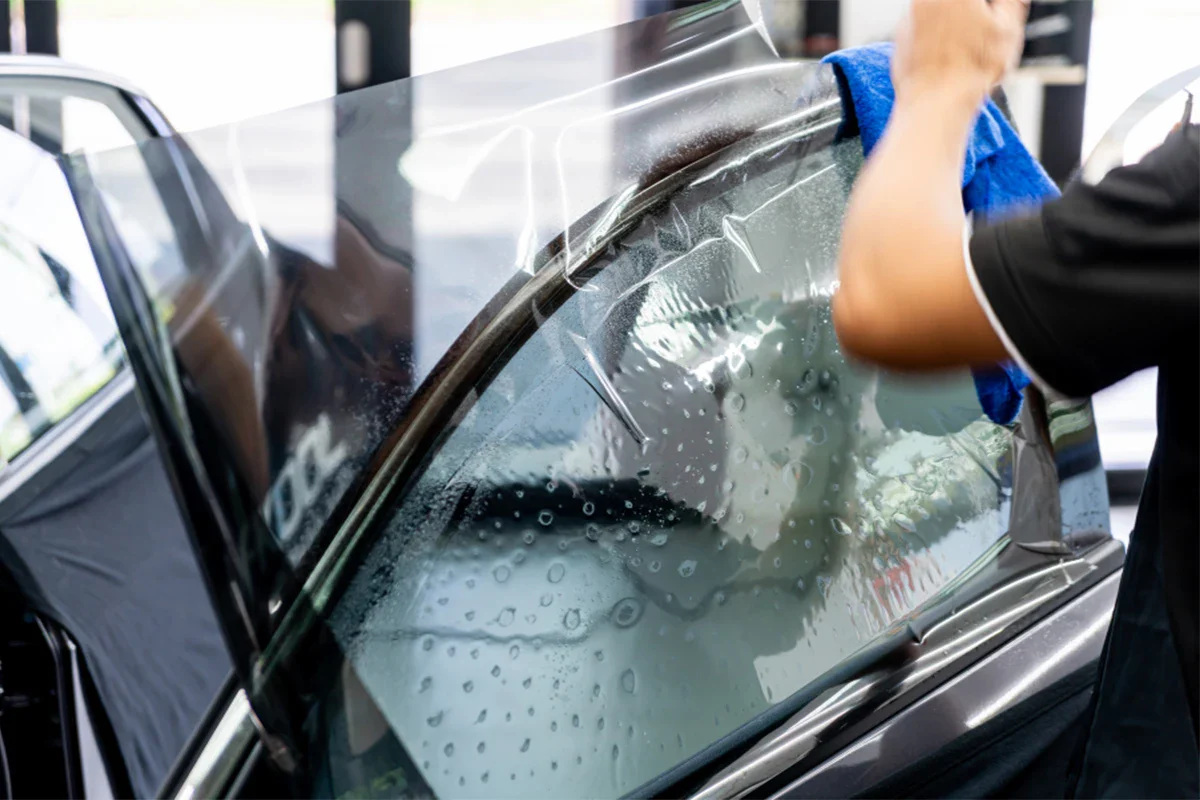
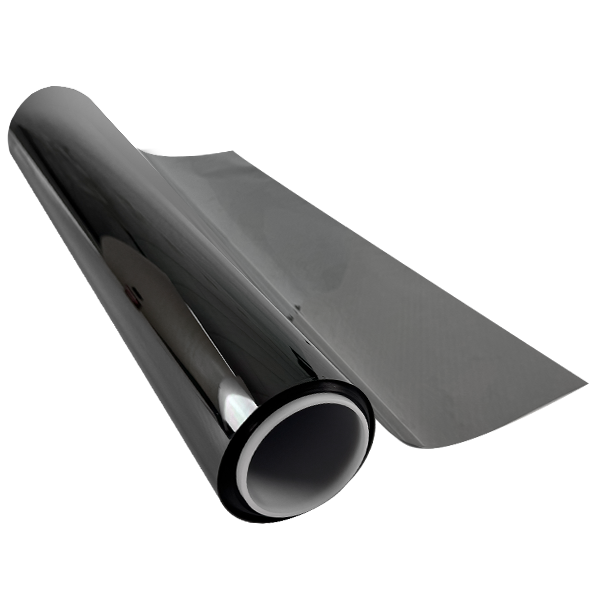
The Two Core Technologies Behind Reflective Window Films
There are two main ways manufacturers achieve this reflective effect, and understanding the difference matters for choosing the right product.
Metalized (Reflective) Window Film
Metalized films are the traditional form of reflective window tint. They embed microscopic metal particles—aluminum, nickel, titanium, or even precious metals like silver—into the film during manufacturing. These metallic layers create a mirror-like surface that physically bounces solar radiation away.
Key advantages include excellent heat rejection that outperforms basic dyed films, enhanced glass shatter resistance due to the metal reinforcement, and superior daytime privacy thanks to the reflective finish.
The trade-off is that metallic content can interfere with GPS signals, mobile reception, Bluetooth connections, and toll transponders. The mirrored exterior appearance may also conflict with local tinting regulations in certain regions.
Dual‑reflective technology solves one of the biggest complaints about standard reflective film: what it looks like from inside the car. Traditional reflective film reflects strongly on both sides, which can make looking outward feel dark or distorted.
Dual‑reflective film is designed to reflect strongly on the outside (for heat rejection and daytime privacy) while maintaining a much darker, more neutral appearance from inside. This means the people outside see a consistent reflective sheen, but you—the driver—enjoy clearer outward visibility with less interior reflection.
The result is a significantly better driving experience, especially at night when glare from interior reflections can be distracting. For B2B buyers supplying installation shops, dual-reflective film tends to generate fewer customer complaints about visibility while delivering the same excellent daytime performance.
How Reflection Car Window Film Cools Your Car (The Science Made Simple)
Let’s break down what actually happens when sunlight hits a window protected by reflective tint.
When solar energy strikes the glass, three things can occur. The energy can be transmitted through the glass into your car (this is what you want to minimize). It can be absorbed by the window or the film itself (this still creates heat, just delayed). Or it can be reflected back to the outside.
Reflection car window film is engineered to maximize that third option—reflection. Its metallic or ceramic layers act as a barrier that sends a large percentage of infrared heat back outward, preventing it from ever entering the cabin.
The effectiveness of any window film is measured by its Total Solar Energy Rejected (TSER) , which combines how much solar energy is reflected, absorbed, and re-radiated outward. A higher TSER percentage means less heat enters your vehicle. The best reflective films can achieve TSER ratings between 50% and 90%, depending on the shade and construction.
Key Performance Metrics You Should Look For
When evaluating reflection car window film, there are four numbers that actually matter.
TSER (Total Solar Energy Rejection) — This is the single most important figure. TSER tells you the total percentage of solar energy the film blocks across the full spectrum (infrared, visible light, and UV combined). If a film has a TSER of 60%, that means 60% of the sun’s energy never enters your car.
VLT (Visible Light Transmission) — This measures how much visible light passes through the film. Lower VLT means darker tint. Higher VLT means clearer glass. One thing to remember: darker doesn’t necessarily mean cooler. A high-quality reflective film with moderate VLT can outperform a cheap dark film because it targets infrared rather than just blocking light.
IRR (Infrared Rejection) — This focuses specifically on infrared heat. A film with high IRR will feel dramatically cooler on sunny days, since infrared is the main source of that baking sensation you feel through untinted windows.
VLR (Visible Light Reflection) — This indicates how reflective the film appears from the outside. A higher VLR creates a stronger mirror effect, which boosts daytime privacy but may attract attention from law enforcement if it exceeds local limits.
Any reputable supplier—including Decowell—will provide these figures for their products. If a supplier hesitates to share TSER data, treat that as a red flag.
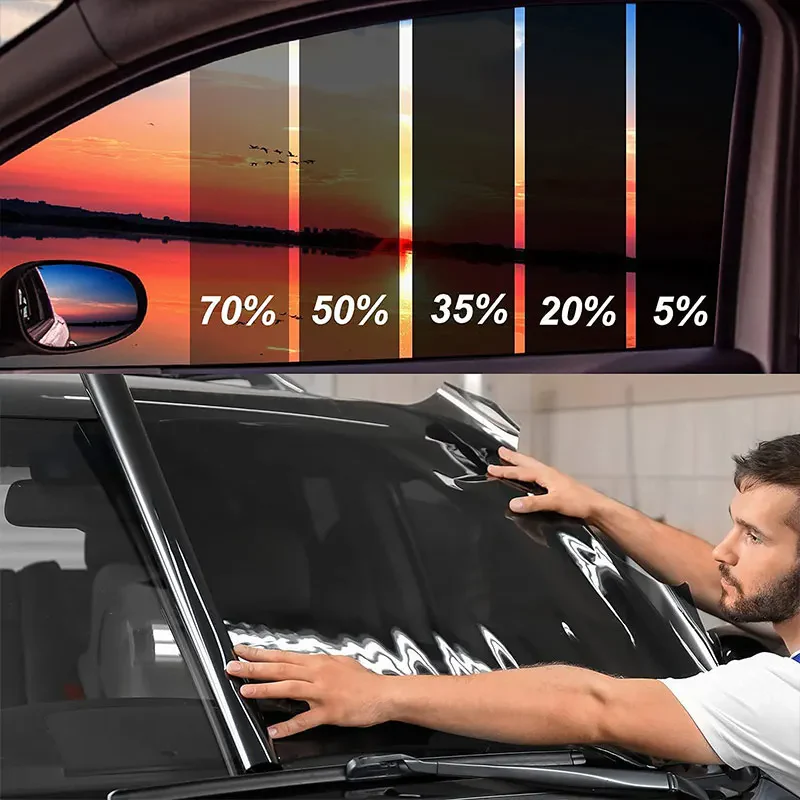
The “One‑Way” Privacy Effect: What You Should Know
One of the most appealing features of reflection car window film is its privacy benefit during daytime hours. When sunlight is bright outside, the reflective side creates a mirror effect that makes it very difficult to see into the vehicle from the outside. Your car’s exterior reflects the environment like a smooth surface of water.
However—and this is important—that same privacy effect works differently at night. When it‘s dark outside but your interior lights are on, the light balance flips. The side with more light (inside the car) becomes transparent to anyone looking in from the darker outside.
Reflective window films provide excellent daytime privacy but are not a 24-hour privacy solution. Many drivers who need consistent privacy combine reflective side and rear window film with retractable sunshades or curtains.
For B2B buyers supplying installation shops, this is worth communicating clearly to end customers upfront. Customers who understand the difference between daytime mirror effect and nighttime transparency tend to be far more satisfied with their purchase.
Where Reflection Car Window Film Works Best
Reflective films excel in several specific scenarios.
Hot climates with intense year‑round sun exposure—Desert regions, tropical areas, and anywhere summer temperatures consistently exceed 35°C benefit enormously from the superior heat rejection of reflective technology.
Vehicles frequently parked outdoors without shade—The more direct sunlight your car endures while stationary, the more valuable reflective film becomes. It dramatically slows cabin temperature rise during those hours when you’re away from your vehicle.
Commercial fleets operating in high‑heat environments—Delivery vans, service trucks, and passenger vehicles whose drivers spend all day behind the wheel see measurable improvements in driver comfort and reduced air conditioning load.
Dual‑reflective film, specifically, is the preferred choice for front side windows on personal vehicles because it preserves outward visibility while still delivering strong performance.
Reflection Car Window Film vs. Ceramic Film: A Straight Comparison
This is the question almost every buyer eventually asks. Should you choose traditional reflective film or spend more for ceramic?
Both options have their place. Neither is universally “better”—it depends entirely on your priorities.
Heat Rejection — Ceramic films generally perform better, especially at blocking infrared heat. However, high-quality reflective films still deliver excellent TSER numbers, often within 10–15% of ceramic at a fraction of the cost.
Signal Interference — This is where ceramic has a clear advantage. Because ceramic films contain no metal, they have zero impact on GPS, mobile reception, Bluetooth, or radio signals. Metal-based reflective films can cause noticeable disruption, particularly in vehicles with antennas integrated into the glass.
Appearance — Reflective films provide a distinctive mirror‑like appearance from outside, which some owners prefer and others find too flashy. Ceramic films offer a neutral, non-reflective look that blends with factory glass.
Cost — Reflective film is generally more affordable, making it an excellent value option for budget-conscious buyers or large‑scale fleet applications.
Regulatory Compliance — Some countries and regions have specific limits on how reflective a window film can be. In markets like Europe and parts of Asia, ceramic‘s non-reflective nature makes it the safer choice for staying street‑legal.
The Bottom Line: Choose reflective film if you want strong heat rejection and daytime privacy at a practical price point and don’t mind potential minor signal disruption. Choose ceramic if you need maximum heat performance, zero signal interference, and a non-reflective appearance that works anywhere.
Common Uses for Reflection Car Window Film (B2B Focus)
For distributors, installers, and professional buyers, reflective car window film opens up several valuable market segments.
Daily drivers in hot climates — The biggest single market. Anywhere summers are brutal, reflective film sells itself. A car that stays noticeably cooler without the AC running full blast is an easy upsell.
Commercial fleet vehicles — Delivery vans, utility trucks, and company cars that accumulate high mileage and long engine‑running hours benefit significantly. Reduced heat load means less AC strain, which translates directly into fuel savings over the lifetime of the vehicle.
SUV and van rear windows — The large glass areas on minivans and SUVs let in massive amounts of heat. Reflective film on rear windows offers a straightforward fix without darkening the driver‘s front view.
Price-sensitive buyers upgrading from basic dyed film — Many customers have had dyed film before and know exactly what they don’t like about it (fading, turning purple, mediocre performance). Reflective film delivers a genuine upgrade at a smaller price jump than ceramic.
For businesses, stocking both reflective and ceramic options allows you to serve customers across the full price and performance spectrum.
Why Reflection Car Window Film Is a Smarter Choice Than Basic Dyed Tint
If you’re currently using—or considering—basic dyed window film, there are several reasons to make the switch to reflective film instead.
More effective heat rejection — Dyed films rely on absorption, which means heat builds up inside the film and eventually radiates into the cabin. Reflective film actually pushes solar energy away before it creates heat. The difference is immediately noticeable on sunny days.
Longer lifespan without fading — Dyed films are notorious for turning purple or fading after a couple of years of UV exposure. Reflective films, especially those with metallic layers or nano-ceramic particles, resist UV degradation and maintain their appearance and performance for much longer.
Better glare reduction — Reflective technology naturally cuts down on windshield and side window glare from sunlight, making daytime driving more comfortable and less straining on your eyes.
Higher resale value for the vehicle — A professional installation of quality reflective film is a tangible upgrade that future buyers can see and feel the moment they sit in the car on a warm day. It adds genuine value.
From a B2B standpoint, encouraging customers to choose reflective film over the cheapest possible dyed option leads to better long‑term satisfaction, fewer complaints about fading or bubbling, and more repeat business.
How Decowell Helps You Deliver Superior Reflective Window Film Solutions
At Decowell, we understand that reflection car window film needs to do three things well. It needs to reject heat effectively. It needs to look professional, whether on a family sedan or a commercial fleet. And it needs to hold up over time without signal interference or visible degradation.
Our reflection car window film solutions combine advanced reflective technology with modern materials engineering. Whether you’re a distributor stocking products for multiple installation shops, a fleet manager outfitting dozens of vehicles, or a professional installer serving individual car owners, Decowell offers reflective and dual-reflective films designed to perform consistently across a wide range of vehicle types and climate conditions.
We manufacture with attention to optical clarity, UV protection, and long-term durability. Our films are engineered to comply with international standards for visible light transmission and reflectivity, giving you confidence that the products you supply will satisfy both your customers and local regulations.
Ready to source reliable reflection car window film for your business? Contact Decowell today to discuss your requirements, request product specifications, or explore bulk supply options. Let’s keep your customers cooler together.
Frequently Asked Questions
Q: Does reflection car window film really keep the car cooler, or is that just marketing?
A: Yes, it works. The difference is measurable and noticeable. Reflective film reduces the amount of infrared heat entering the cabin by pushing solar energy outward before it warms the glass. In controlled testing, vehicles with quality reflective film maintain lower interior temperatures and require less AC use to reach comfortable levels.
Q: Will reflective window tint interfere with my phone or GPS signal?
A: Traditional metal-based reflective films can cause signal disruption, especially in vehicles with antennas embedded in the glass. Modern dual-reflective and ceramic-based options from manufacturers like Decowell address this issue by reducing or eliminating metallic content while maintaining strong heat rejection. Check the product specifications before ordering.
Q: Is reflective window film legal everywhere?
A: Not automatically. Different regions have different rules regarding visible light transmission and reflectivity limits. Front windows typically have stricter requirements than rear windows. Dual-reflective and ceramic films that appear neutral from the outside are more likely to pass inspection in regulated markets. Always verify local laws before installation.
Q: Can I see out of reflective tint at night?
A: Yes, outward visibility from inside remains clear. The reflective effect works primarily from the outside looking in. However, very low VLT films (very dark shades) can reduce nighttime visibility. Choose a VLT level that balances privacy with safe night driving, and consider dual-reflective films for better outward clarity.
Q: How long does reflective car window film last before it needs replacement?
A: Quality reflective films—particularly those using advanced dual-reflective or nano-ceramic technology—are designed to last many years without fading, bubbling, or discoloration. The exact lifespan depends on UV exposure, climate, and maintenance habits. Lower-quality dyed films may show visible degradation in just a couple of years.
Q: What is dual-reflective window film, and why would I choose it?
A: Dual-reflective film reflects strongly on the exterior (for heat rejection and daytime privacy) while maintaining a much less reflective, more neutral appearance from inside the car. This gives you the performance benefits of reflective film without the darker or distorted outward view that some drivers dislike.
Q: Is reflective film or ceramic film better for front windows?
A: Ceramic film is often preferred for front windows because it provides excellent heat rejection with zero signal interference and a non-reflective appearance that complies with stricter front-window regulations in many regions. However, high-quality dual-reflective film is also a strong option, especially for drivers prioritizing daytime privacy.