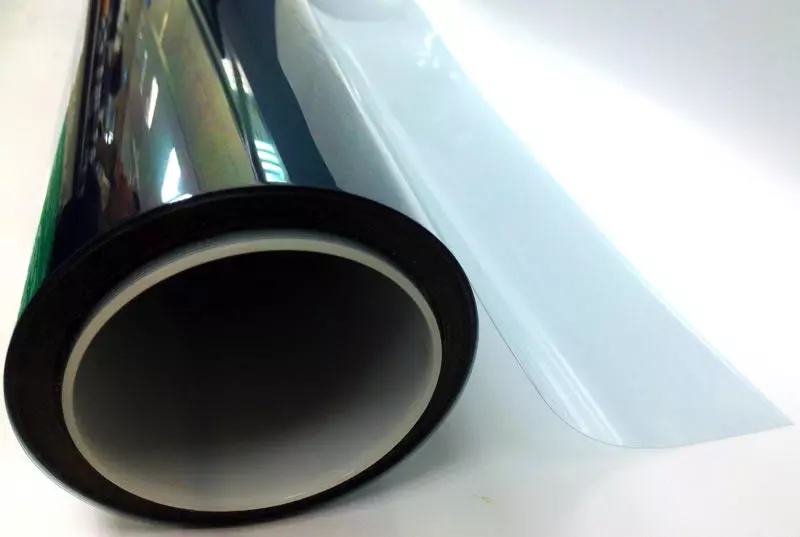
Decowell Nano Ceramic IR Film — Car Window Film
20+ Years Professional Expertise | Professional Automotive Film Manufacturer | Full-Solution Provider (PPF, Window Film, Wrap Film) | 2000+ Certified Installers | From R&D to Production | High-Cost-Effective Premium Films | Ample Stock | Professional Team | Serving 40+ Countries | Reliable Logistics
Home » Products » Car Window Film » Nano Ceramic Window Film » Nano Ceramic IR Window Film
Product Categories
Nano Ceramic IR Film
— Car Window Film
Specifications
Material: Premium PET (Polyethylene Terephthalate) / Nano-Ceramic Composite
Color: Blue/green, Gray, Light Black, Black, Dark Black, Super Dark Black, Ultra Super Dark Black
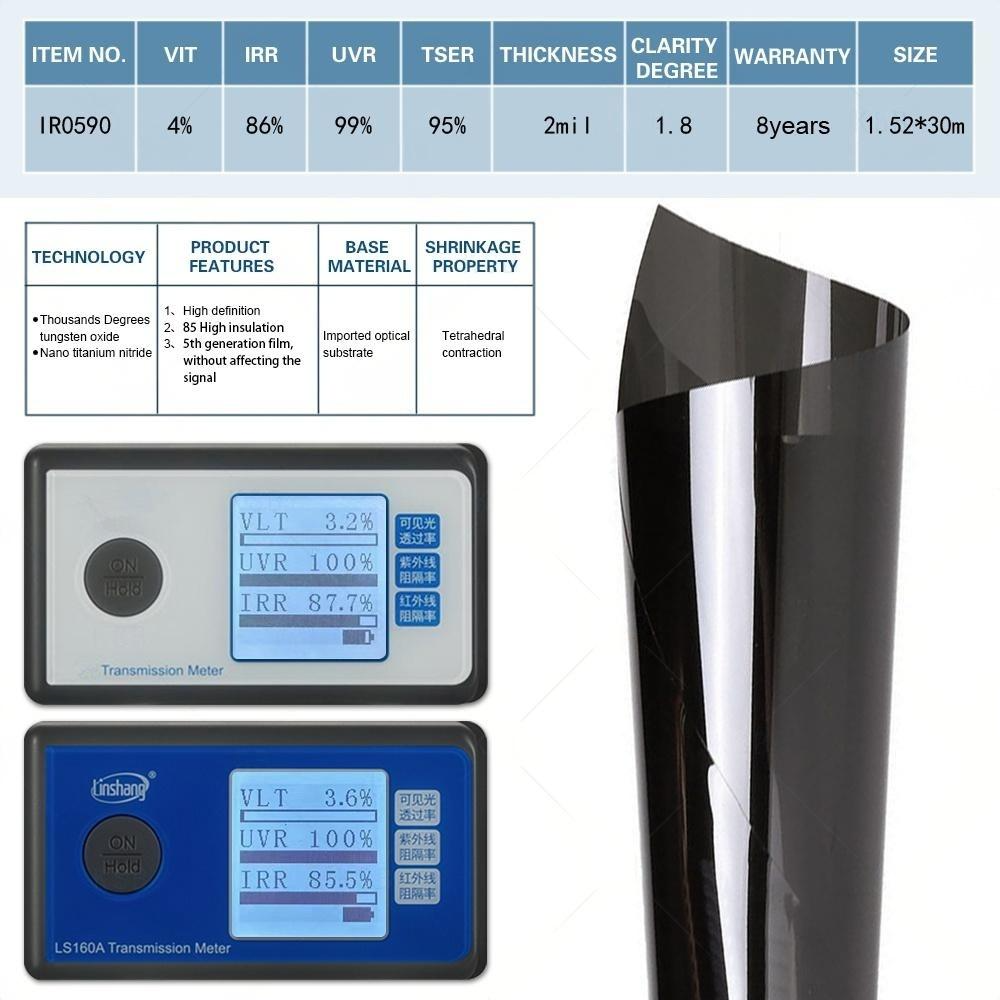
Thickness: 2 Mil (Standard)
Size: 1.52*30m
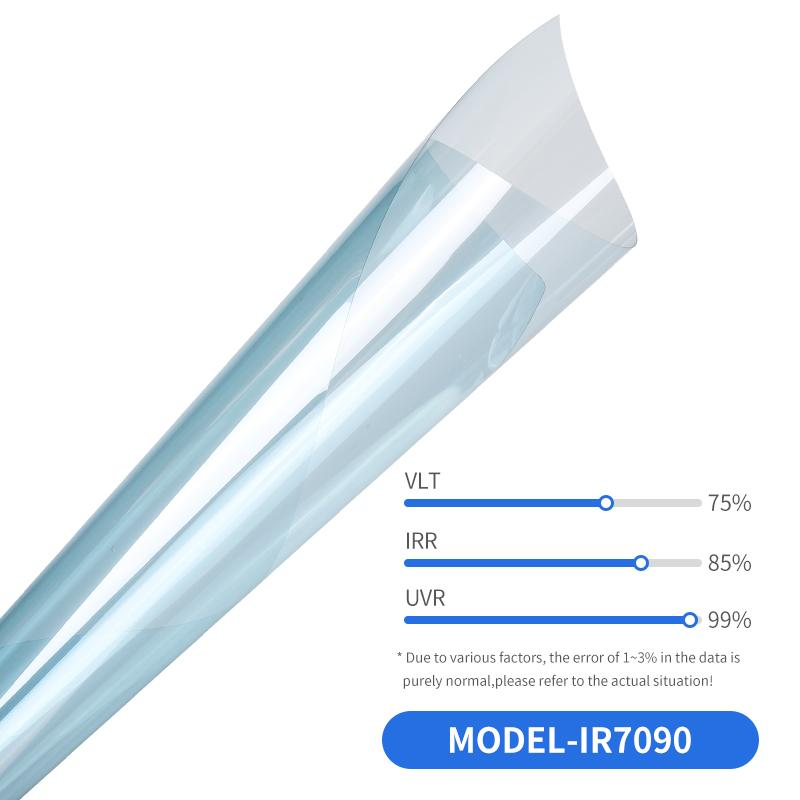
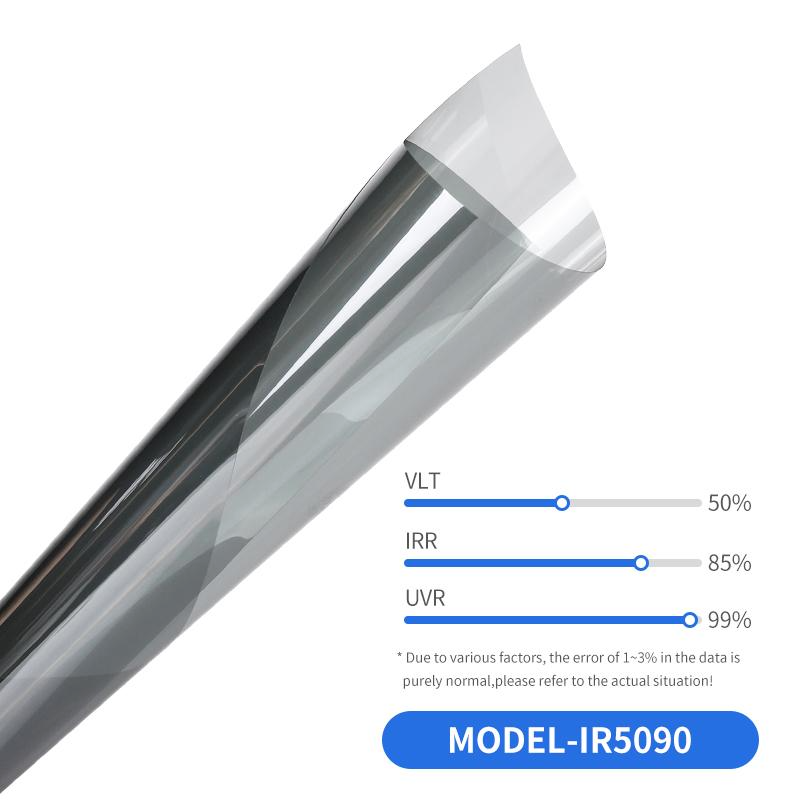
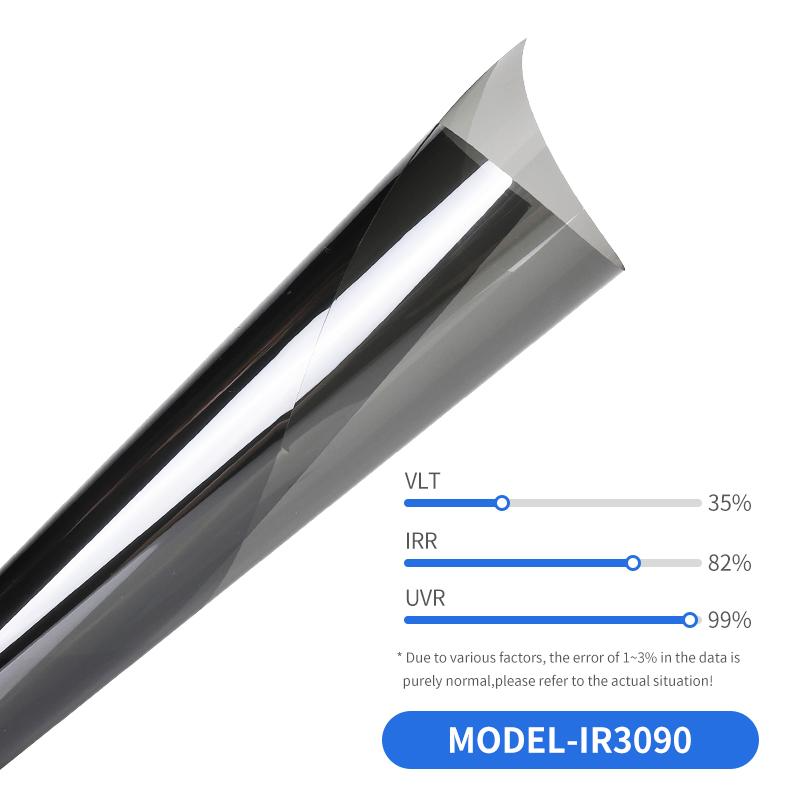
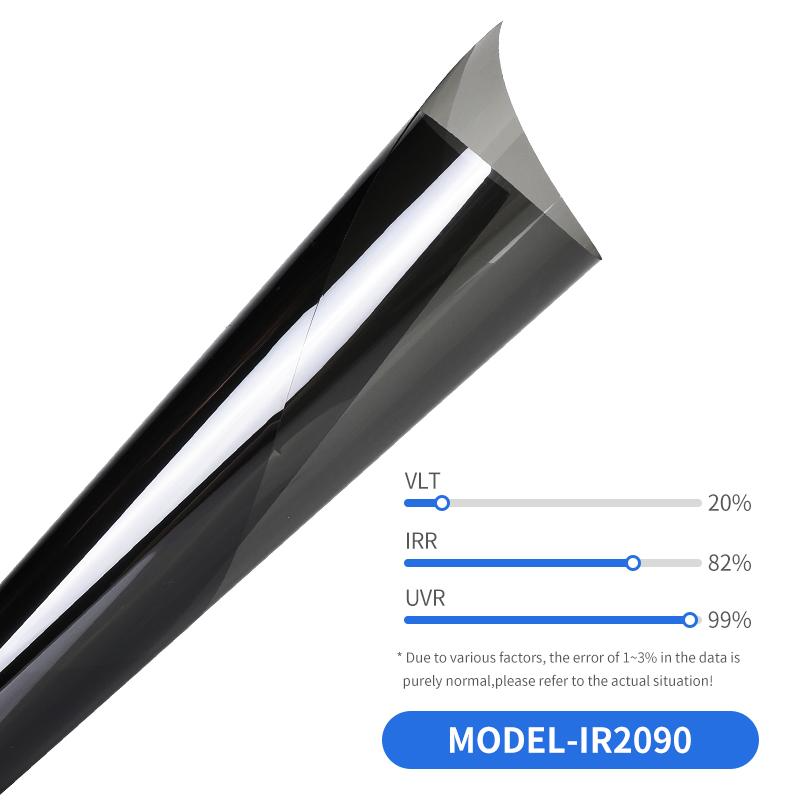
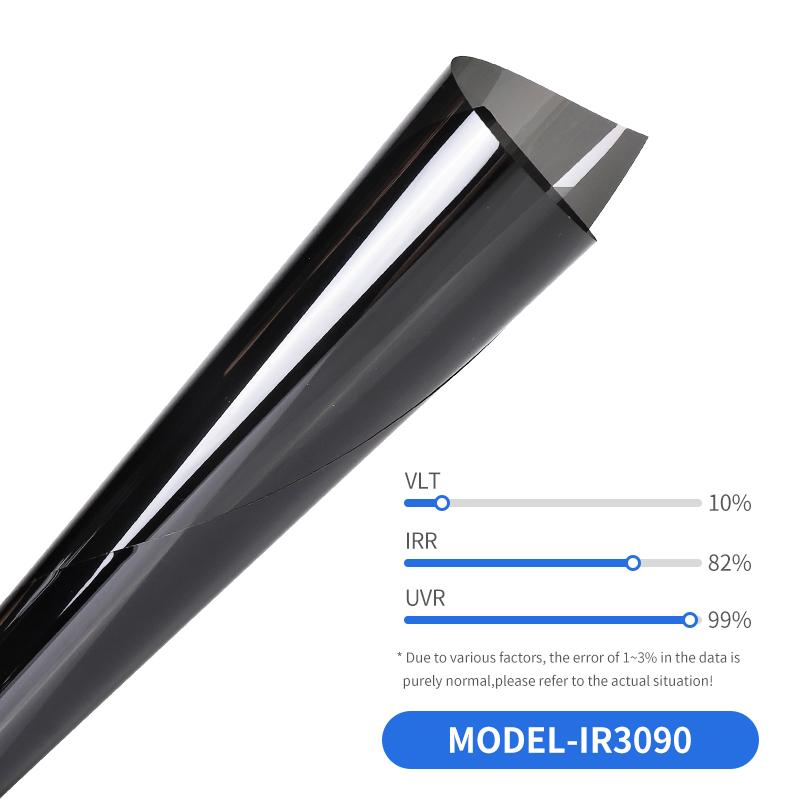
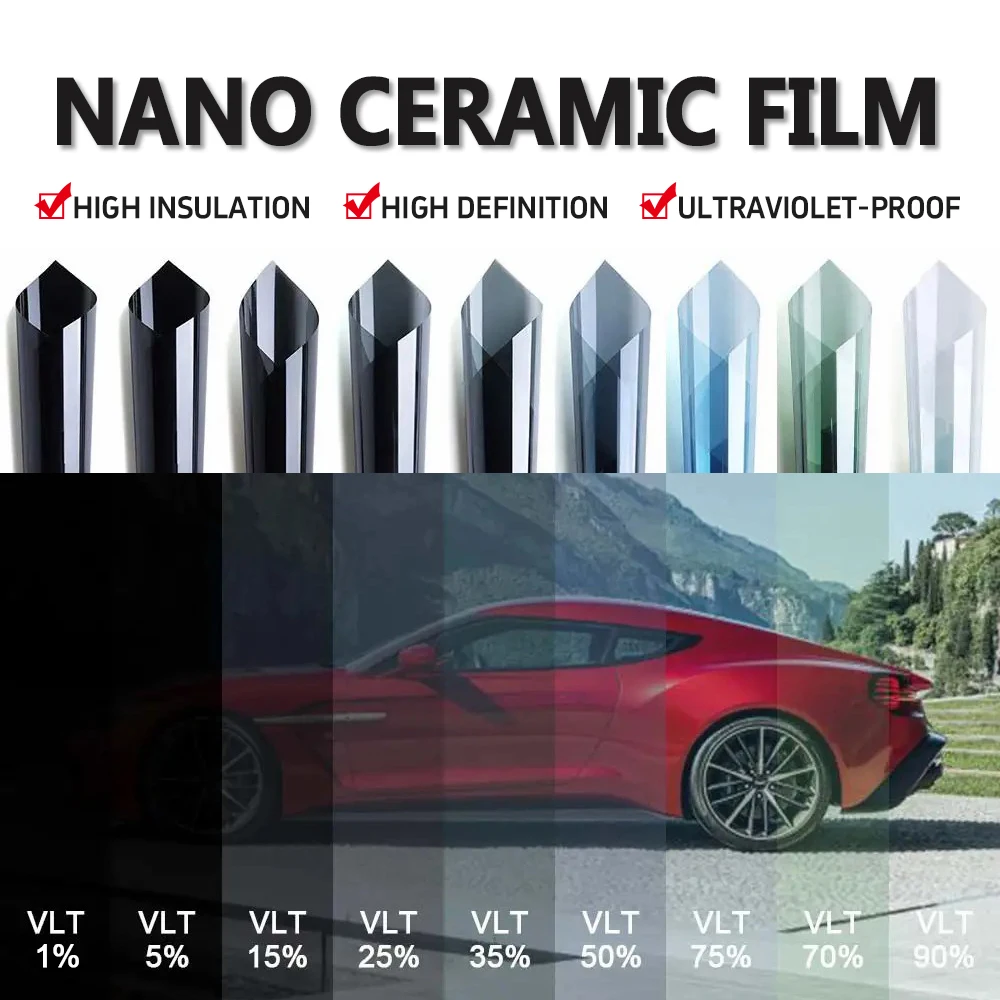
VLT Options: 75%, 50%, 35%, 20%, 10%, 5%, 1%
IR Rejection: 82%, 85%, 86%
UV Protection: 99%+
TSER: 42%, 60%, 75%, 83%, 86%, 95%
HAZE: 0.45, 0.68, 0.69, 0.34, 0.54, 0.45
Feature Highlights: Waterproof, Eco-friendly, 5G Friendly, Anti-Glare, High Definition
Position: All automotive glass (Windshield, Side, Rear)
Adhesive: Premium Self-Adhesive (Pressure-sensitive)
Overview
Upgrade your driving experience with Decowell Nano Ceramic IR Film, the premium solution for superior heat control and UV protection. Designed for modern vehicles, this advanced window tint utilizes cutting-edge nano-ceramic technology to block harmful rays without interfering with electronic signals. Whether you are a car enthusiast seeking comfort or a professional installer looking for high-performance film, Decowell delivers the perfect balance of clarity, durability, and style.
Key Features
1. Advanced Nano Ceramic Technology
Utilizes Kilowatt Tungsten Oxide and Nano Titanium Nitride for superior heat absorption.
Provides high-definition clarity with no haze or distortion.
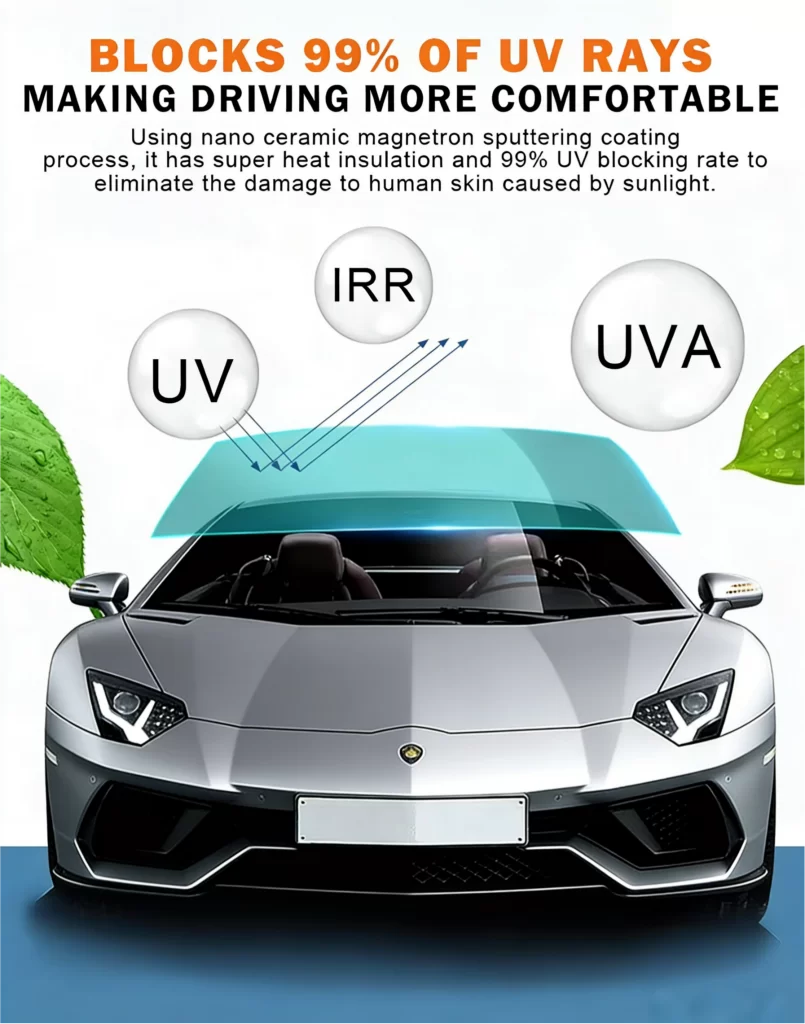
Effectively blocks 95% of infrared (IR) heat and 99% of UV rays to protect interiors and passengers.
2. 5G & Signal Friendly
Unlike traditional metallic films, this ceramic film is non-conductive.
Ensures uninterrupted reception for GPS, cellular (5G/4G/LTE), and radio signals.
Perfect for vehicles equipped with modern communication and sensor systems.
3. Maximum Heat Insulation & Glare Reduction
Maintains a cooler cabin temperature, reducing the load on your air conditioner.
Achieves up to 95% infrared rejection and significant glare reduction for safer driving.
Lowers fuel consumption by improving AC efficiency.
4. Premium Optical Clarity
Made with an imported optical substrate for crystal-clear views.
Features anti-glare and diffuse reflection properties to reduce eye strain.
Maintains true color perception without the “milky” look of lower-quality films.
5. Durability & Ease of Installation
High-quality construction allows for multi-stage shrinking and easy handling.
Scratch-resistant surface protects against daily wear and tear.
High tensile strength ensures the film does not wrinkle or bubble during application.
Applications
Automotive: Ideal for all passenger cars, SUVs, and trucks.
Windshield: Use high-VLT options (70%+) for front windshield heat rejection.
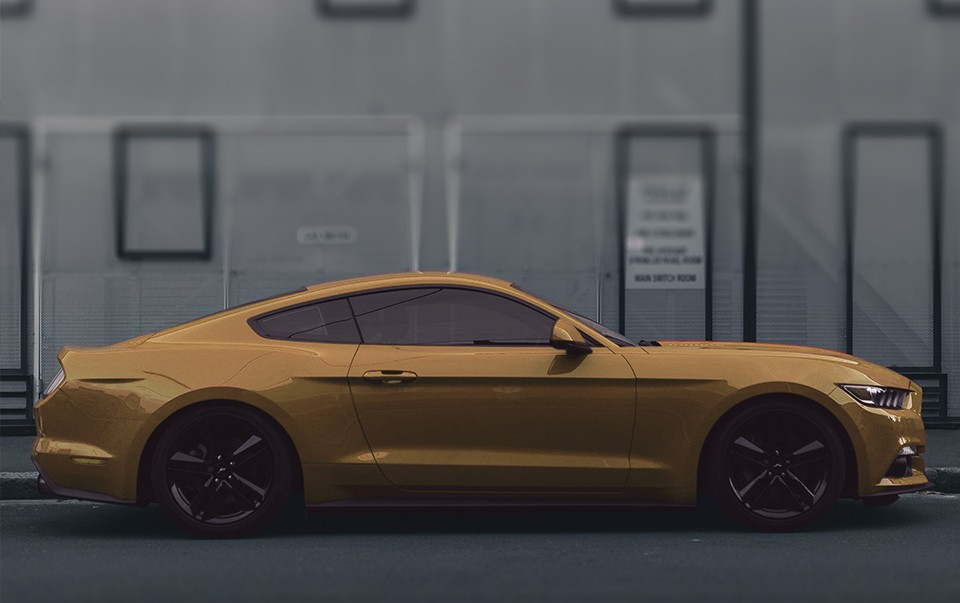
Side & Rear Windows: Use 5%-35% VLT for privacy, style, and heat control.
Why Choose Decowell?
Decowell is committed to manufacturing high-performance window films that meet the highest international standards. Our Nano Ceramic IR Film is designed to compete with top-tier brands while offering excellent value. With a focus on eco-friendly materials and strict quality control, we ensure every roll meets the demands of professional installers and end-users worldwide.
Customization & Packaging
Custom Logo: OEM services are available to print your brand logo on the core and packaging.
Custom Packaging: We offer customized box designs for bulk orders.
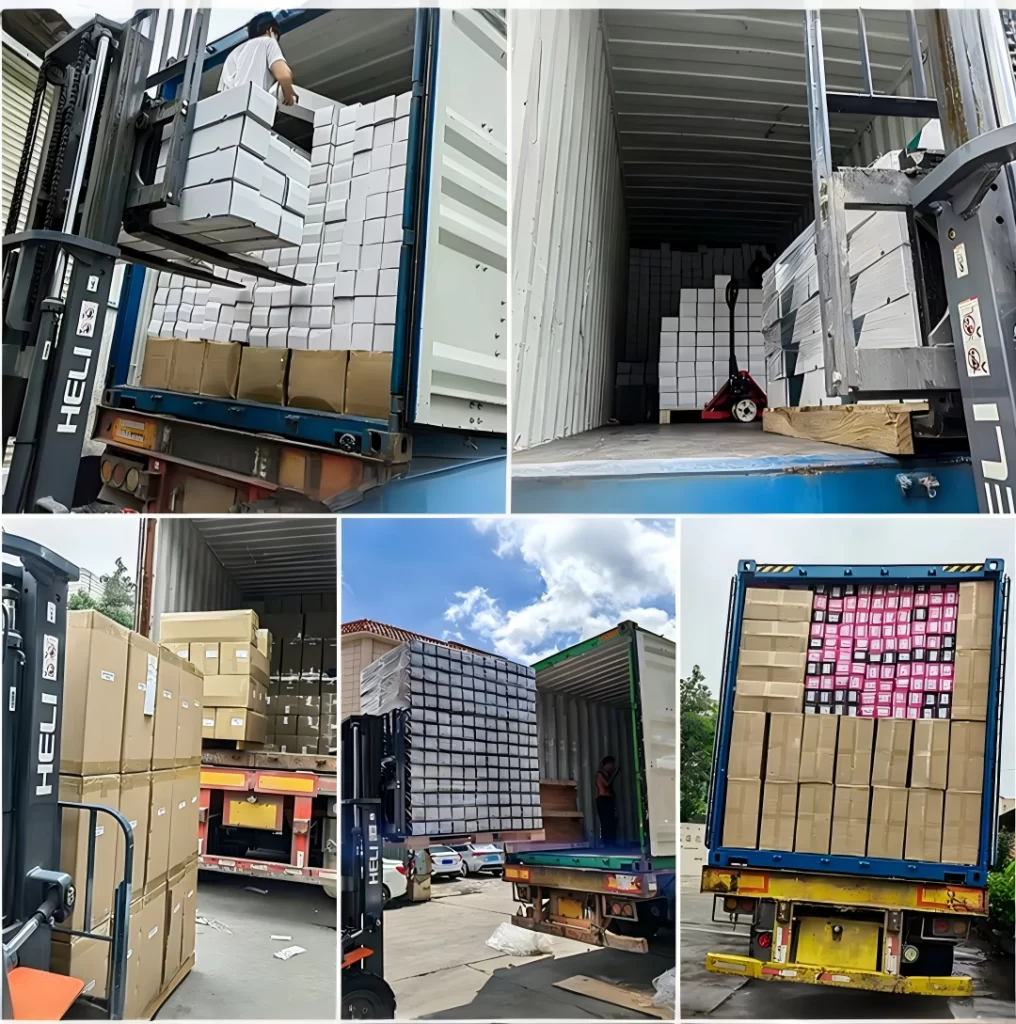
Standard Packaging: Safely packed in strong hard cartons to prevent damage during transit.
Ready to ship? Contact us today for wholesale pricing or samples.
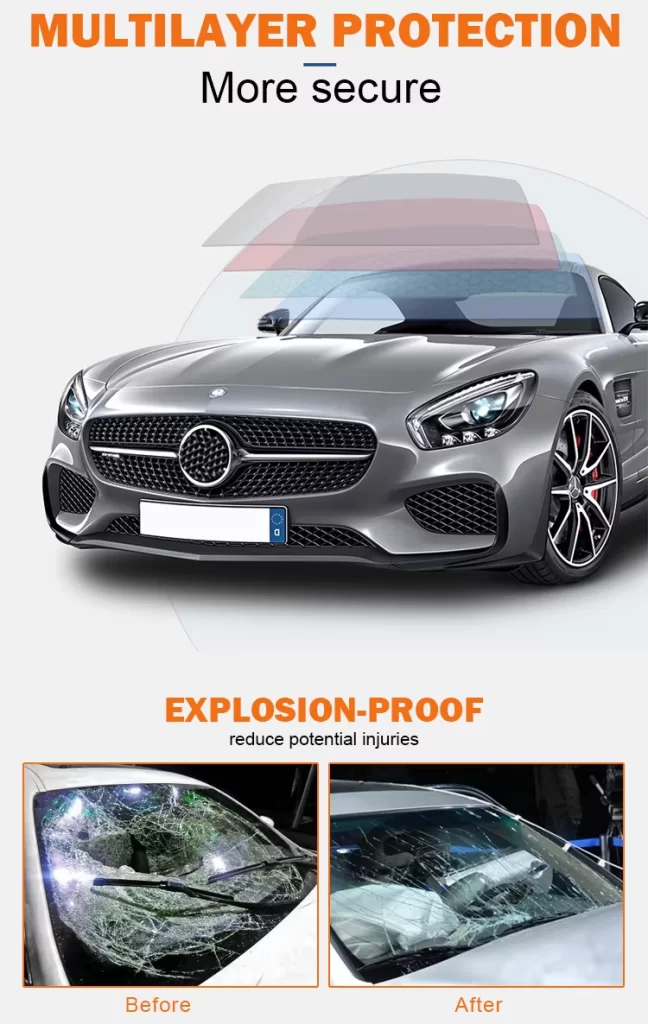
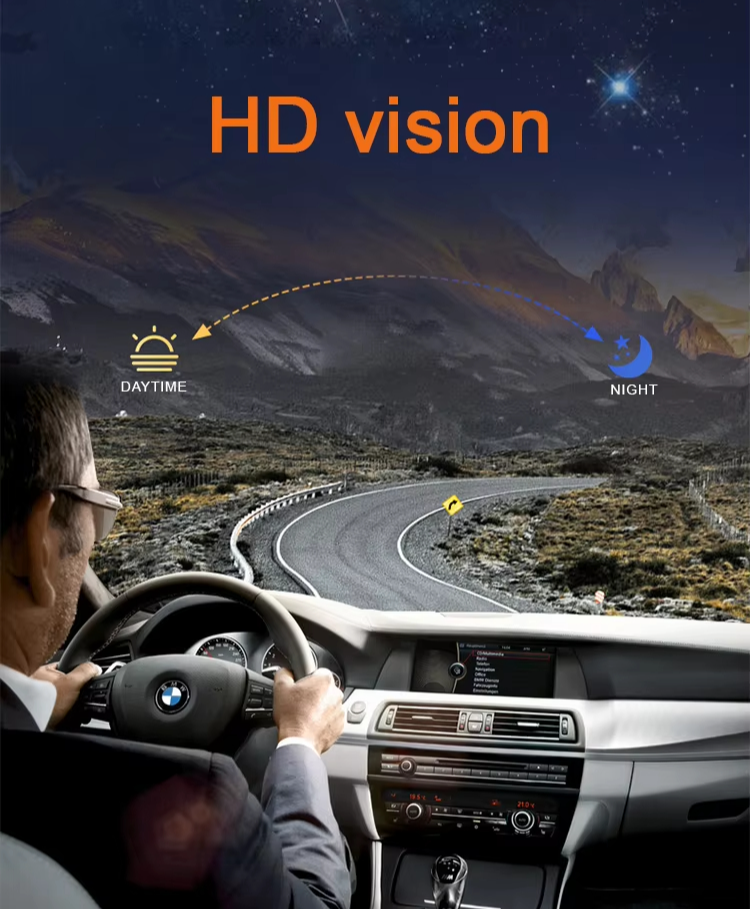
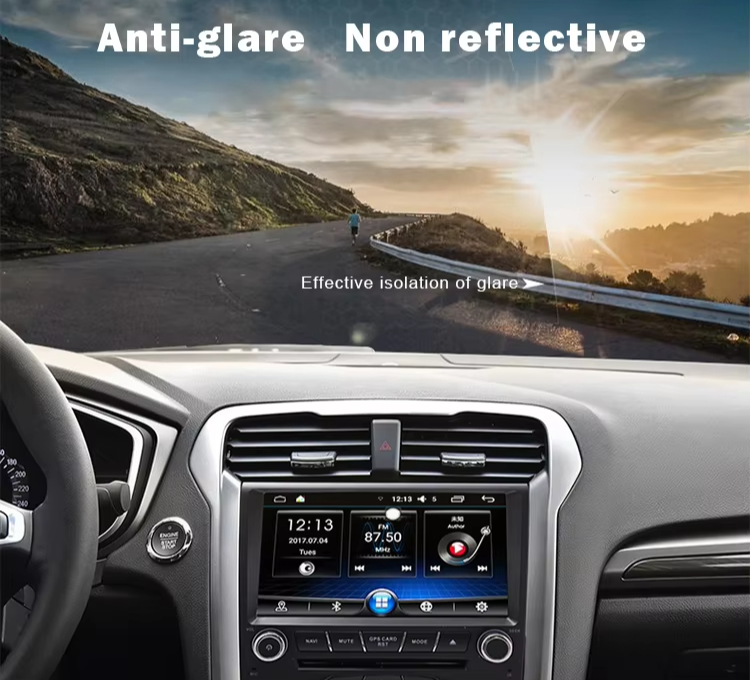
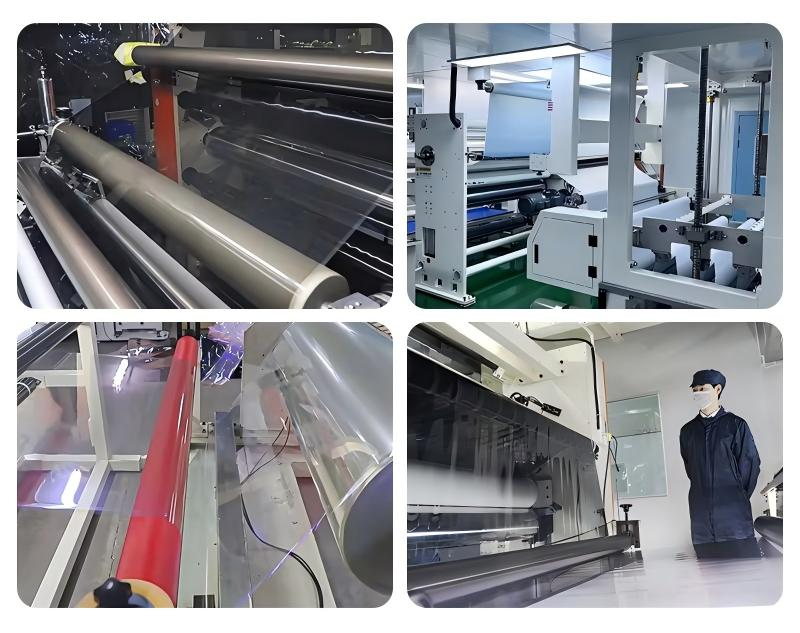
Nano Ceramic IR Car Window Film: Stay Cool, Stay Protected
1. Introduction: Why Nano Ceramic IR Car Window Film Is the New Standard
If you’ve been following automotive trends over the past few years, you’ve probably noticed more and more car owners switching to nano ceramic IR car window film. And there’s a good reason for it. The numbers tell the story — the global window film market, including advanced nano ceramic films, is growing steadily. The nano ceramic window film segment alone is projected to expand significantly in the coming years, with increasing demand for heat rejection, UV protection, and optical clarity driving this growth.
So what’s got everyone making the switch? Let’s be honest — traditional window tints have been around for decades, but they come with compromises. Dyed films fade and turn purple after a few summers. Metallic tints can mess with your GPS and phone signal. Carbon films offer decent performance but still don’t quite get you there when the summer sun is blazing.
Enter nano ceramic IR car window film. It’s the kind of technology that makes you wonder why it wasn’t invented sooner. It blocks infrared heat like nothing else, protects your skin from UV damage, reduces glare without darkening your view, and does all of this without touching your car’s electronics. Whether you’re battling the scorching summer sun or just want your car’s interior to stay looking fresh, this is the upgrade that makes sense.
In this guide, we’ll walk you through everything you need to know about nano ceramic IR car window film — what it is, how it works, what it can do for your vehicle, and why it’s worth every bit of the investment. Decowell Nano Ceramic IR Car Window Film represents the kind of performance-driven solution that serious car owners look for, and by the time you finish reading, you’ll understand exactly why.
2. What Exactly Is Nano Ceramic IR Car Window Film?
Let’s strip away the marketing talk and get to the point. Nano ceramic IR car window film is a high-performance window tint made using microscopic ceramic particles — we’re talking nanotechnology here, where particles are measured in billionths of a meter. These tiny particles are embedded into multiple layers of the film, creating a structure that interacts with sunlight in a highly selective way.
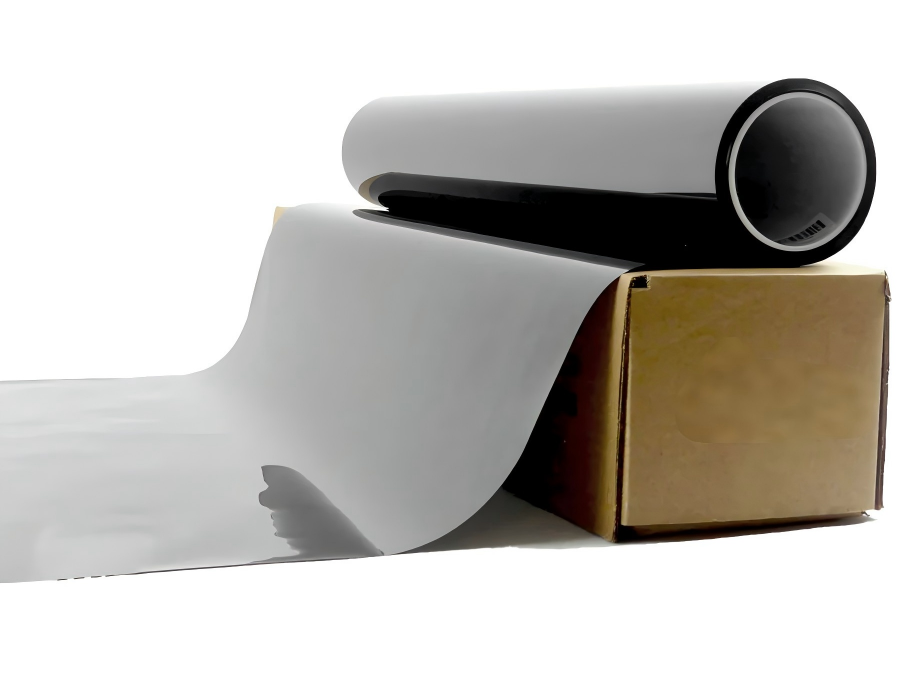
Here’s the key insight. Unlike traditional tints that rely on dyes (which absorb heat but fade) or metals (which reflect heat but block signals), nano ceramic particles work by selectively filtering out the parts of sunlight that cause heat — specifically, infrared radiation — while letting visible light pass through. This is what experts call being “spectrally selective.”
In plain English? The film stops the heat but doesn’t make your windows too dark. You stay cool, but you can still see clearly. That’s the magic of nanotechnology applied to window film.
Nano ceramic IR car window film is also completely metal-free. That means no corrosion over time, no signal interference, and no reflective appearance that some traditional tints have. It’s the kind of technology that fits perfectly with modern cars packed with electronics, GPS, and connectivity systems.
3. How Nano Ceramic IR Technology Works: The Science Behind the Comfort
Alright, let‘s get just a little technical — but not too much. The sun’s energy reaches your car in three forms: ultraviolet (UV) rays, visible light, and infrared (IR) radiation. UV rays cause skin damage and interior fading. Visible light is what you see. And infrared? That’s the one responsible for most of the heat you feel inside your car. In fact, infrared radiation is the primary driver of cabin heat buildup on sunny days.
Nano ceramic IR car window film is engineered specifically to target that infrared heat. The nano-ceramic particles embedded in the film absorb and block IR radiation while remaining transparent to visible light. Think of it as a filter for your windows — it picks and chooses which parts of sunlight to let through.
This is fundamentally different from how traditional tints work. Dyed films absorb some heat but also absorb visible light, which is why they have to be dark to be effective. Metallic films reflect heat but create glare and signal issues. Nano ceramic films, on the other hand, use their microscopic particle structure to reject IR heat directly, maintaining high levels of transparency across the visible spectrum.
What does that mean for you behind the wheel? It means your car stays cooler on hot days, so your air conditioning doesn’t have to work as hard. It means you can still see clearly through your windows, even at night. And it means the person sitting next to you won’t complain about the sun beating down on their arm. Simple as that.
4. Nano Ceramic IR vs Regular Window Tint: What You’re Missing
If you’ve only ever had regular window tint on your car, you might not know what you’re missing. Let’s break down the differences so you can see why nano ceramic IR car window film is a whole different category.
Regular dyed tint is the most basic option. It works by adding a dark dye layer to the film that absorbs heat. The problem? Dyed films fade over time, turning purple or blue after a few years of sun exposure. They also have to be dark to provide any meaningful heat rejection, which means reduced visibility .
Metallic tint uses tiny metal particles to reflect sunlight. It performs better than dyed film, but it has a major downside — the metal particles can interfere with GPS, cell phone signals, radio reception, and even keyless entry systems. Not ideal when modern cars rely on all of those things. And in some cases, metallic tints can corrode over time at the window edges.
Carbon tint offers better heat rejection than dyed films and doesn’t fade as quickly. But carbon technology has limits — it typically blocks less infrared heat than nano ceramic options and lacks the advanced selective spectrum performance of true nano-ceramic films.
Nano ceramic IR car window film? It outperforms all of the above. It delivers superior infrared heat rejection, often reaching well into the high 80s and even 90s percentile range. It blocks UV rays completely. It’s metal-free, so zero signal interference. It doesn’t fade, discolor, or bubble over time. And it maintains optical clarity, so you see clearly day and night without that hazy or distorted look.
Put simply, if you’ve been using regular tint, you’ve been settling for less. Nano ceramic IR is better in every measurable way.
5. Top Benefits of Installing Nano Ceramic IR Car Window Film
Still not convinced? Here’s a closer look at what nano ceramic IR car window film actually does for your vehicle and your driving experience.
Exceptional heat rejection. This is the headline feature. By blocking a significant portion of infrared radiation, nano ceramic IR film keeps your cabin dramatically cooler on hot days. The difference between a car with nano ceramic film and one with standard tint is something you can feel the moment you sit down.
Full UV protection. We’re talking about blocking over 99% of harmful ultraviolet rays. That’s UVA and UVB protection that shields your skin from sun damage and prevents your car’s interior — upholstery, dashboard, steering wheel — from fading and cracking over time.
Glare reduction for safer driving. Bright sunlight and headlight glare can be dangerous, causing eye strain and delaying reaction times. Nano ceramic IR film significantly reduces glare, making driving safer both during the day and at night.
No signal interference. Because nano ceramic IR film contains no metal, it doesn’t disrupt GPS, Bluetooth, cell reception, or satellite radio. Your devices work exactly as they should.
Long-lasting durability. Premium nano ceramic films resist fading, bubbling, peeling, and discoloration. They maintain their appearance and performance year after year without looking tired.
Optical clarity you can count on. No haze, no distortion, no rainbow effect. Just clear, natural vision through your windows. High transparency options let you enjoy all the performance benefits with minimal visible tint.
Enhanced privacy without sacrificing view. Choose from different shades to get the level of privacy you want, while still maintaining excellent outward visibility.
Better energy efficiency. By keeping heat out, nano ceramic IR film reduces the workload on your air conditioning system. That means less fuel consumption in gas vehicles and better range preservation in EVs — a benefit that pays for itself over time.
6. Heat Rejection That Actually Works: Understanding TSER and Infrared Blocking
Here’s where things get interesting. When shopping for window film, you’ll come across terms like TSER (Total Solar Energy Rejected) and infrared rejection. Let’s demystify them.
Total Solar Energy Rejected measures how much of the sun’s total energy — including UV, visible light, and infrared — a film blocks. It’s the big-picture number. But here’s what’s important to know: not all heat is created equal. Infrared radiation accounts for more than half of the solar heat that enters your car. So if a film focuses on blocking infrared, it’s going after the biggest culprit.
Nano ceramic IR car window film is specifically optimized for infrared rejection. The nano-ceramic particles target the IR spectrum directly, absorbing and blocking heat at its source. Some films achieve infrared rejection rates that are significantly higher than what standard dyed or carbon films can manage.
What does that mean for you in real-world terms? On a hot summer day, the difference is immediate. The sun’s rays still hit your windows, but the heat doesn’t follow them inside. Your cabin stays cooler, your seats don’t burn your legs, and the steering wheel isn’t too hot to touch. That’s heat rejection that actually works — not just marketing numbers on a spec sheet.
7. UV Protection That Keeps Your Skin and Interior Safe
Here’s something every car owner should know: UV radiation doesn’t stop just because you’re inside your car. Standard automotive glass blocks UVB rays reasonably well, but UVA rays — the ones linked to premature aging and skin cancer — pass right through.
Nano ceramic IR car window film takes UV protection seriously. Premium nano ceramic films block over 99% of harmful UV radiation, providing a level of protection that standard window glass simply cannot match.
Why does this matter? First, your health. Prolonged exposure to UVA rays through car windows is a real concern, especially for people who spend hours driving every day — commuters, delivery drivers, road-trippers. Second, your car. UV exposure is brutal on interior materials. It fades fabric, cracks leather, and dries out plastic, turning a well-maintained interior into a tired one in just a few years.
With nano ceramic IR film, your interior stays looking newer for longer, and you and your passengers stay protected. It’s one of those benefits you don’t notice until you look back years later and realize how much wear you avoided.
8. Glare Reduction Without Sacrificing Visibility
Glare is more than just annoying — it can be dangerous. Bright sunlight bouncing off other cars, wet roads, or the hood of your own vehicle can temporarily blind you, increasing the risk of accidents. At night, oncoming headlights can create a similar problem.
Nano ceramic IR car window film tackles glare effectively without the drawbacks of traditional dark tints. The film’s ability to reduce glare comes from its spectrally selective properties — it lets useful visible light through while filtering out the scattered, harsh light that causes eye strain and visual discomfort.
The result? Your drive becomes less tiring on your eyes. You’re not squinting against the sun. Night driving is less stressful. Yet you still maintain clear outward visibility because the film doesn’t just black out your windows.
This is one area where nano ceramic IR film really sets itself apart. Older tints reduce glare by being dark — which works until you need to see at night. Nano ceramic technology solves that trade-off, giving you both glare reduction and clear vision.
9. Signal-Friendly Performance: Why Metal-Free Matters for Modern Cars
Modern vehicles are packed with technology — GPS navigation, Bluetooth connectivity, satellite radio, keyless entry, tire pressure monitoring systems, and an increasing array of driver-assistance features. All of these depend on clear, uninterrupted signal reception.
Here’s the problem: metallic window tints contain conductive metal particles that can interfere with electromagnetic signals. That means your GPS might take longer to lock, your satellite radio could drop out, and your key fob range might shrink. For anyone who relies on their car’s connectivity, that’s a non-starter.
Nano ceramic IR car window film solves this problem completely by using no metal whatsoever. The nano-ceramic particles are non-conductive, which means they don’t interfere with radio frequencies, cellular signals, or satellite communications. Your devices work exactly as they should, with no loss of performance.
For EV owners and drivers of newer vehicles with advanced driver-assistance systems, this is especially important. Many modern cars have antennas embedded in windows — metallic film can impact these directly. Nano ceramic IR film keeps your car’s technology performing at its best while still delivering all the heat rejection and UV protection benefits.
10. Scratch Resistance and Durability: A Film That Looks New for Years
Nobody wants window tint that starts showing scratches after a few car washes or begins to bubble at the edges. With nano ceramic IR car window film, durability is built in from the start.
The nano-ceramic particles are integrated into the film structure, creating a dense, uniform coating that resists everyday wear and tear. This means the film holds up better against scratches from car washes, wind and sand friction, and minor abrasions. You’re not going to see fine scratches building up over time the way you might with softer film materials.
Color stability is another major advantage. Traditional dyed films are notorious for fading and turning purple as the dye breaks down under UV exposure. Nano ceramic IR film, by contrast, is designed to maintain its appearance year after year. The ceramic particles themselves are stable and don’t degrade with sun exposure, so the film retains its original look.
Bubbling and peeling? That’s usually a sign of poor film quality or improper installation. High-quality nano ceramic films are engineered with adhesives and construction methods that prevent these issues, ensuring a smooth, flat surface that stays attached to your glass for the long haul.
When you invest in nano ceramic IR car window film, you’re not buying something you’ll need to replace in a few years. You’re buying something that stays looking and performing like new.
11. Visual Clarity: See Out Clearly, Keep Outside from Seeing In
One of the biggest concerns car owners have about window tint is whether they’ll still be able to see clearly at night. It’s a valid concern — darker tints can make backing into a driveway or checking blind spots a real challenge after sunset.
Nano ceramic IR car window film is engineered for clarity. The nano-ceramic particles are so small that they don’t scatter visible light the way larger particles or dye layers might. You get a crystal-clear view from the inside, day or night, with no haze, distortion, or optical anomalies.
At the same time, the right shade choice gives you the privacy you want from the outside. Lower VLT (Visible Light Transmission) options restrict more visible light from passing through, making it harder for people outside to see in. But because nano ceramic IR film isn’t relying on darkness for heat rejection, you can choose a lighter VLT and still get excellent performance.
For windshield applications or vehicles where staying legal is a concern, high-transparency nano ceramic IR films are available. These films block heat and UV while remaining visually almost invisible — offering full protection without the tinted appearance.
12. Multiple Shade Options: Choose Your Perfect Balance of Privacy and Light
No two drivers want the exact same thing from their window film. Some people prioritize privacy and a darker aesthetic. Others want minimal visible change but full heat rejection performance. Nano ceramic IR car window film is available in a range of VLT options to match different preferences.
Visible Light Transmission refers to the percentage of visible light that passes through the film. Lower numbers mean darker film; higher numbers mean lighter film.
Dark shades such as 5% or 15% VLT offer maximum privacy and a sleek, dark appearance. These are popular for rear windows and side windows where sun exposure is highest.
Medium shades such as 20% to 35% VLT strike a balance between privacy, glare reduction, and outward visibility. This range is the most common choice for daily drivers.
Light shades such as 50% or 70% VLT provide a nearly clear appearance while still delivering significant heat and UV protection. These are often used on windshields (where legal) or for drivers who want protection without noticeable tint.
Because nano ceramic IR technology achieves its performance through IR blocking rather than darkness alone, every shade option comes with high heat rejection capability. You don’t have to go dark to stay cool — you can choose the shade that fits your preferences and still get premium performance.
13. Installation Tips: What You Need to Know Before Getting Nano Ceramic IR Film
Installation quality matters just as much as film quality. Even the best nano ceramic IR car window film won’t perform or look its best if it’s not installed correctly. Here’s what you should know.
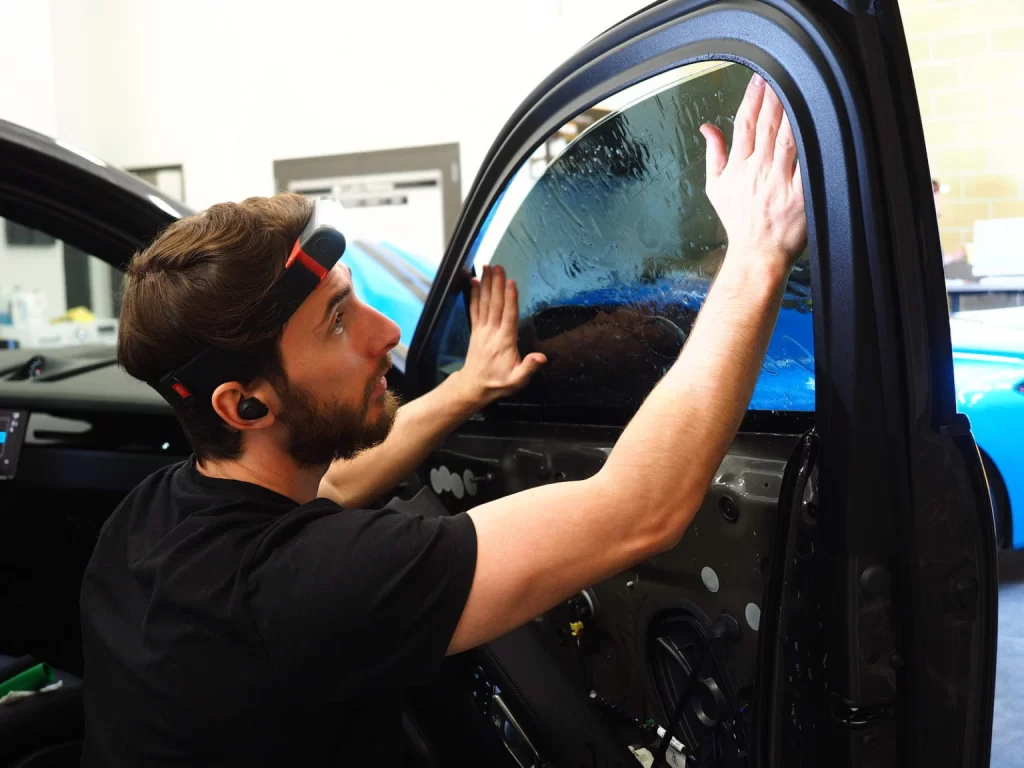
Clean environment is essential. Dust and debris trapped between the film and glass create visible imperfections. Professional installers work in climate-controlled bays with filtered air to minimize contamination. Even tiny dust particles can create bubbles or flaws that affect appearance and performance.
Curing time after installation. Newly applied film needs time to properly bond with the glass. During this period — typically a few days — you should avoid rolling down windows or applying pressure to tinted surfaces. This allows the film to cure fully and ensures long-term adhesion.
Proper cleaning after installation. While the film is curing, cleaning should be kept to a minimum. Once the film is fully cured, use only soft cloths and mild, pH-balanced cleaners. Avoid ammonia-based products, which can damage the film structure over time.
Professional installation is recommended. While some experienced DIYers may attempt window film installation, nano ceramic IR films require precision cutting, proper heat shrinking around curved glass, and dust-controlled environments. Professional installers have the tools and experience to get it right.
Tinting laws vary by location. Before choosing your VLT, check your local window tinting regulations. Different jurisdictions have different limits on how dark your windows can be, particularly for front side windows and windshields. Choose a VLT that keeps you legal while maximizing protection.
14. Maintaining Your Nano Ceramic IR Car Window Film for Long-Term Performance
Once your nano ceramic IR car window film is installed, proper maintenance helps it stay looking and performing great for years. Here’s the straightforward guide.
Wait before first cleaning. New film needs time to cure — usually three to seven days. Avoid rolling down your windows or cleaning them during this period.
Hand wash with care. When cleaning your windows, use a soft microfiber cloth rather than abrasive sponges or brushes. Apply gentle pressure — you’re not removing baked-on grease, just wiping away dust and fingerprints.
Use the right cleaners. Stick to mild, pH-balanced cleaners specifically formulated for window film, or simply use mild soap and water. Never use ammonia-based cleaners — they can degrade the film and cause discoloration. Avoid abrasive cleaners and stiff-bristled brushes.
Be mindful of window operation. After installation, give the film adequate curing time before operating your windows. Once cured, there’s no special limitation — roll your windows up and down as you normally would.
Avoid sharp objects against the film. This should go without saying, but don’t scrape ice off your windows with metal tools or rest sharp objects against the glass. The film’s scratch resistance is excellent, but no film is completely invulnerable to direct abrasion from hard objects.
With proper maintenance — which really just means cleaning it gently and avoiding damage — your nano ceramic IR film will continue performing at its best for the long haul. No special tricks, no complicated routines. Just common sense care.
15. Common Myths About Nano Ceramic Window Tint: Let’s Clear Them Up
There’s a lot of information out there about window tint, and not all of it is accurate. Let’s address some of the common misconceptions about nano ceramic IR car window film.
Myth #1: Nano ceramic tint is just regular tint with a fancy name. That’s not accurate. Nano ceramic film uses real nanotechnology — microscopic ceramic particles engineered at the molecular level to selectively block infrared heat. Traditional tints use dyes or metals, which work very differently. The performance gap is real and measurable.
Myth #2: Darker tint blocks more heat. With older technology, that was true — darker dyes absorbed more heat. But nano ceramic IR film proves that darkness and heat rejection are not the same thing. Because nano ceramic technology targets infrared radiation directly, even nearly clear films can deliver exceptional heat rejection. You don’t need to sacrifice visibility for performance.
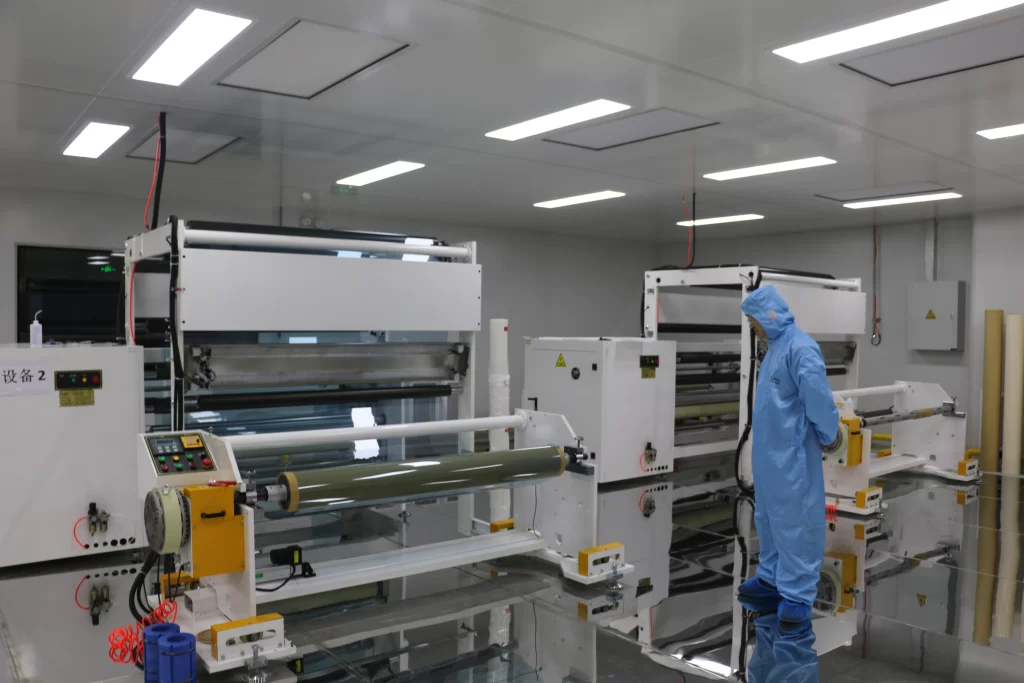
Myth #3: All ceramic tints are the same. The quality of ceramic technology varies significantly between manufacturers. Factors like particle size distribution, coating uniformity, adhesive quality, and scratch-resistant top coats vary from product to product. High-quality nano ceramic IR film outperforms entry-level versions in every metric — heat rejection, clarity, durability, and longevity.
Myth #4: Window film is just for looks. Absolutely not. While nano ceramic IR car window film does look great, its real value is in performance — heat rejection, UV protection, glare reduction, and interior preservation. The aesthetic improvement is the bonus, not the main event.
Myth #5: Nano ceramic film is hard to maintain. As we covered in the maintenance section, keeping nano ceramic film in good shape is straightforward — gentle hand washing with mild soap and water, avoid ammonia-based cleaners. There’s no extra mystery or difficulty compared to maintaining regular tinted windows.
16. Frequently Asked Questions (FAQ) About Nano Ceramic IR Car Window Film
Q: Does nano ceramic IR car window film really reduce heat inside my car?
Yes. By blocking a significant portion of infrared radiation — the primary source of solar heat — nano ceramic IR film keeps your cabin noticeably cooler. The difference is most apparent on sunny days, where the sun’s rays still hit your windows but the heat doesn’t follow them inside.
Q: Will the film affect my phone or GPS signal?
No. Nano ceramic IR car window film contains no metal, which means it doesn’t interfere with cellular signals, GPS, Bluetooth, or satellite radio. Your devices will work exactly as they would with untinted glass.
Q: Does the film look purple or blue over time?
No. High-quality nano ceramic IR film is color-stable and resists fading or discoloration. Unlike older dyed films that turn purple after a few years, nano ceramic film maintains its appearance for the long haul.
Q: Can I install nano ceramic IR car window film myself?
While it’s possible for experienced DIYers, professional installation is strongly recommended. Dust-free environments, proper heat shrinking around curved glass, and precise cutting are essential for a bubble-free, long-lasting result.
Q: How do I clean my tinted windows after installation?
After the initial curing period (which allows the film to bond properly), clean with a soft microfiber cloth and mild, pH-balanced cleaner. Avoid ammonia-based products, abrasive brushes, or anything that could scratch the film’s surface.
Q: Will the film make my windows look reflective?
No. Nano ceramic IR film has a non-reflective, deep black appearance — not a mirror-like or shiny metallic look. It looks clean, modern, and understated.
Q: Does the film work at night?
Yes. Nano ceramic IR film doesn’t stop working just because the sun goes down. Its primary job is blocking infrared heat, which is generated by sunlight — but the film’s clarity and glare reduction benefits continue to improve your driving experience at night as well.
Q: Is nano ceramic IR film legal for windshields?
That depends on your local regulations. Many jurisdictions permit clear or nearly clear film on windshields for UV and heat protection — high-VLT nano ceramic IR films (70% or higher) are often legal because they’re visually transparent. Always check your local tint laws before installation.
Q: How does nano ceramic IR film compare to carbon tint?
Nano ceramic technology generally offers higher infrared heat rejection, better optical clarity, and greater longevity than carbon films. Carbon tint is a step up from dyed film, but nano ceramic represents the most advanced category available today.
17. Decowell Nano Ceramic IR Car Window Film: Premium Performance as Standard
By now, you’ve seen what nano ceramic IR car window film can do — exceptional heat rejection, complete UV protection, glare reduction without losing clarity, signal-friendly performance, outstanding durability, and visual transparency that outperforms every category of traditional tint.
That’s the category. But within that category, not all films are created equal. The quality of the nano-ceramic particles, the precision of the coating process, the clarity of the adhesive, and the durability of the scratch-resistant top coat all vary from one manufacturer to another.
This is where Decowell stands apart.
Decowell Nano Ceramic IR Car Window Film is engineered for drivers who want real performance without compromises. Built on advanced nano-ceramic technology, Decowell’s film delivers premium-grade infrared heat rejection that keeps your cabin comfortable even on the hottest days. The UV protection is complete — blocking the overwhelming majority of harmful rays to protect both your passengers and your vehicle’s interior.
What sets Decowell apart is attention to the details that matter in daily driving. The film is completely metal-free, so your GPS, phone, radio, and connected car systems work without interruption. The optical clarity is exceptional, with no haze, no distortion, and no color shift — just a clean, natural view from the inside. The non-reflective, deep black appearance enhances your car’s look without the mirror-like shine of metallic films.
Decowell’s nano ceramic IR range is available in multiple VLT options, from darker shades for maximum privacy to nearly clear films that provide full heat and UV protection with minimal visible change. Every option delivers the same high performance — because Decowell believes you shouldn’t have to choose between how your car looks and how it protects you.
For car owners who value their comfort, their health, and the condition of their vehicle, Decowell Nano Ceramic IR Car Window Film represents the kind of performance-driven solution that makes every drive better. The road ahead comes with plenty of sun. Let Decowell make sure you don’t have to feel it.
18. Conclusion: Make Your Drive Cooler, Safer, and More Comfortable Today
Your car takes on a lot — road trips, daily commutes, summer heat waves. The sun never takes a day off, and your vehicle’s windows are the main entry point for that heat, UV radiation, and glare. Standard glass just isn’t enough. It might block some UV, but it does almost nothing against infrared heat. That’s why your steering wheel is too hot to touch in July. That’s why your back seat becomes an oven after an hour of parking in the sun.
Nano ceramic IR car window film is the solution to all of that. It’s the kind of upgrade that might seem small on paper — a thin layer of film on your windows — but the difference in daily driving is anything but small. Cooler cabin temperatures. UV protection for your skin and your interior. Glare reduction that makes driving safer and less tiring. No signal interference. And a clean, modern appearance that complements any vehicle.
When you’re ready to make the upgrade, Decowell Nano Ceramic IR Car Window Film delivers the performance you need and the quality you expect. It’s engineered for drivers who demand more from their vehicle protection — not just the appearance of protection, but real, measurable heat rejection and UV blocking that works every single day you drive.
The sun isn’t going anywhere. But with the right film on your windows, it doesn’t have to ruin your drive.
Ready to drive cooler, safer, and more comfortably? Explore Decowell Nano Ceramic IR Car Window Film options for your vehicle and experience the difference that advanced nano-ceramic technology makes.