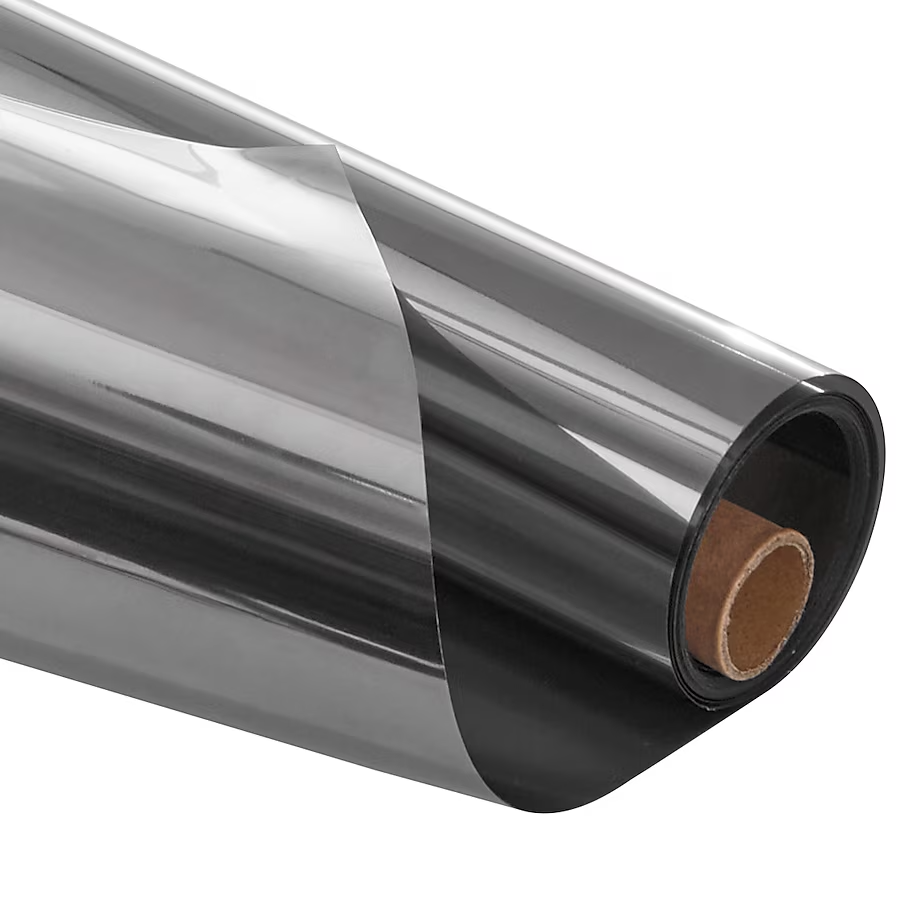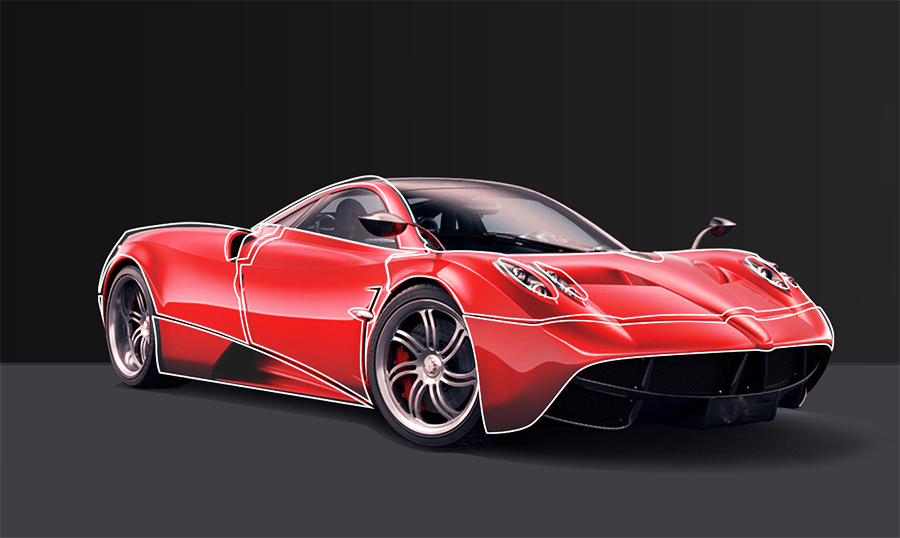
Decowell Car Window Film: The Most Comprehensive and Cost-Effective Car Film in China
20+ Years Professional Expertise | Professional Automotive Film Manufacturer | Full-Solution Provider (PPF, Window Film, Wrap Film) | 2000+ Certified Installers | From R&D to Production | High-Cost-Effective Premium Films | Ample Stock | Professional Team | Serving 40+ Countries | Reliable Logistics
Product Categories

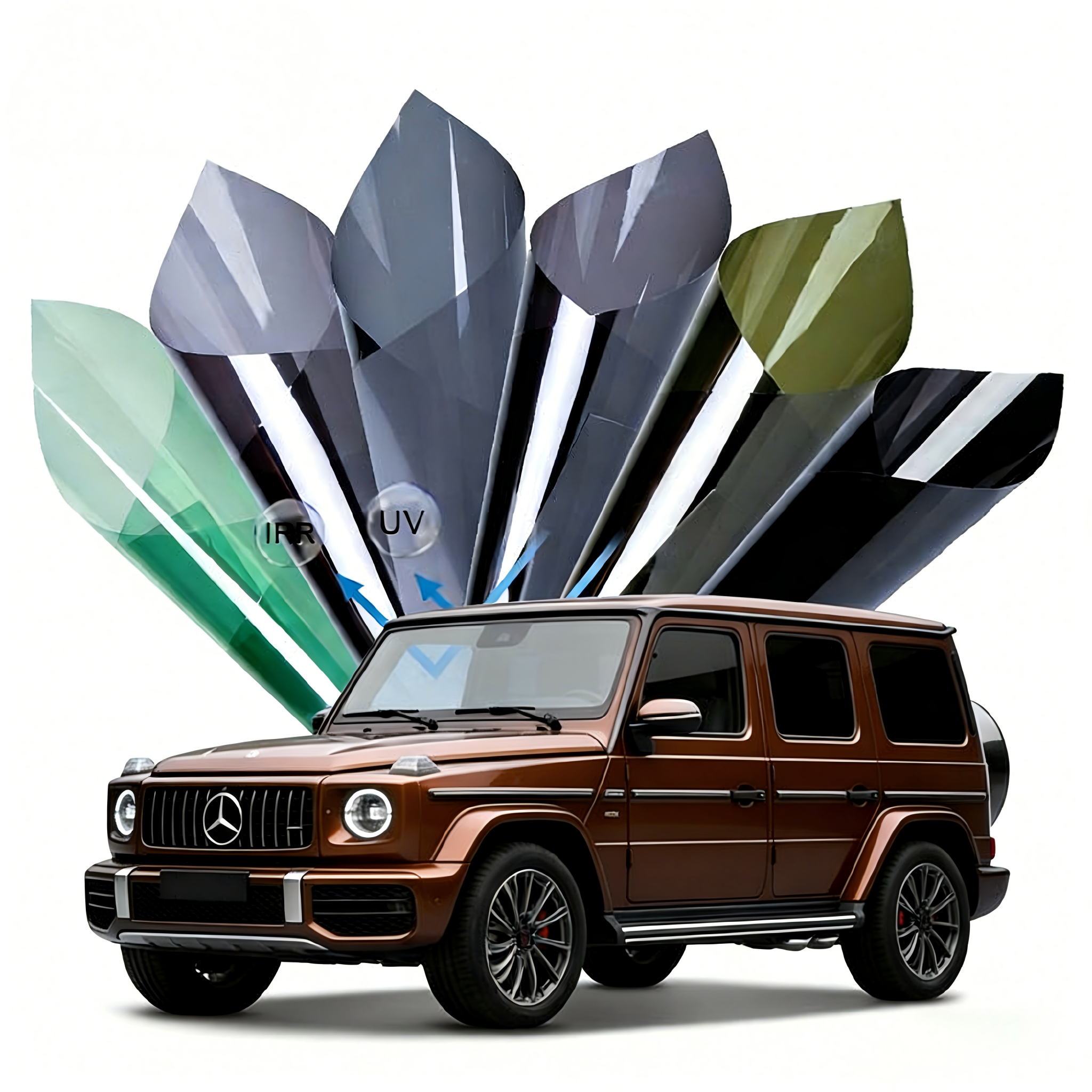
Thickness 2mil
VLT Options 10% / 20% / 40% / 75% / 85%
Color Options Super Dark Black / Dark Black / Black / Blue
Position All car windows (side, rear, windshield)
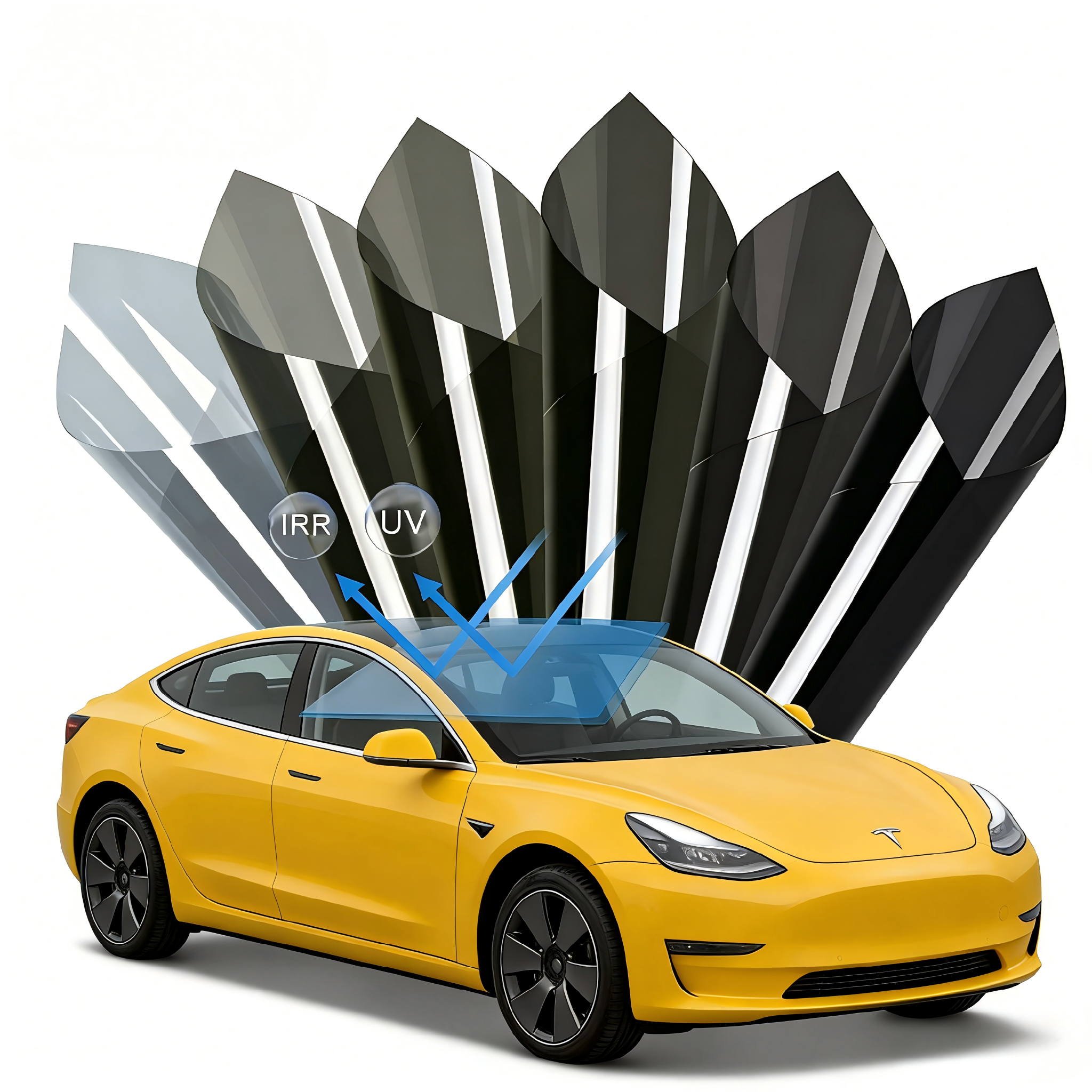
Thickness: 2 mil (0.05mm)
UV Rejection: 99%
IR Rejection: 99%
Usage: Solar Control, Heat Insulation
Certification: CE compliant, EU standards
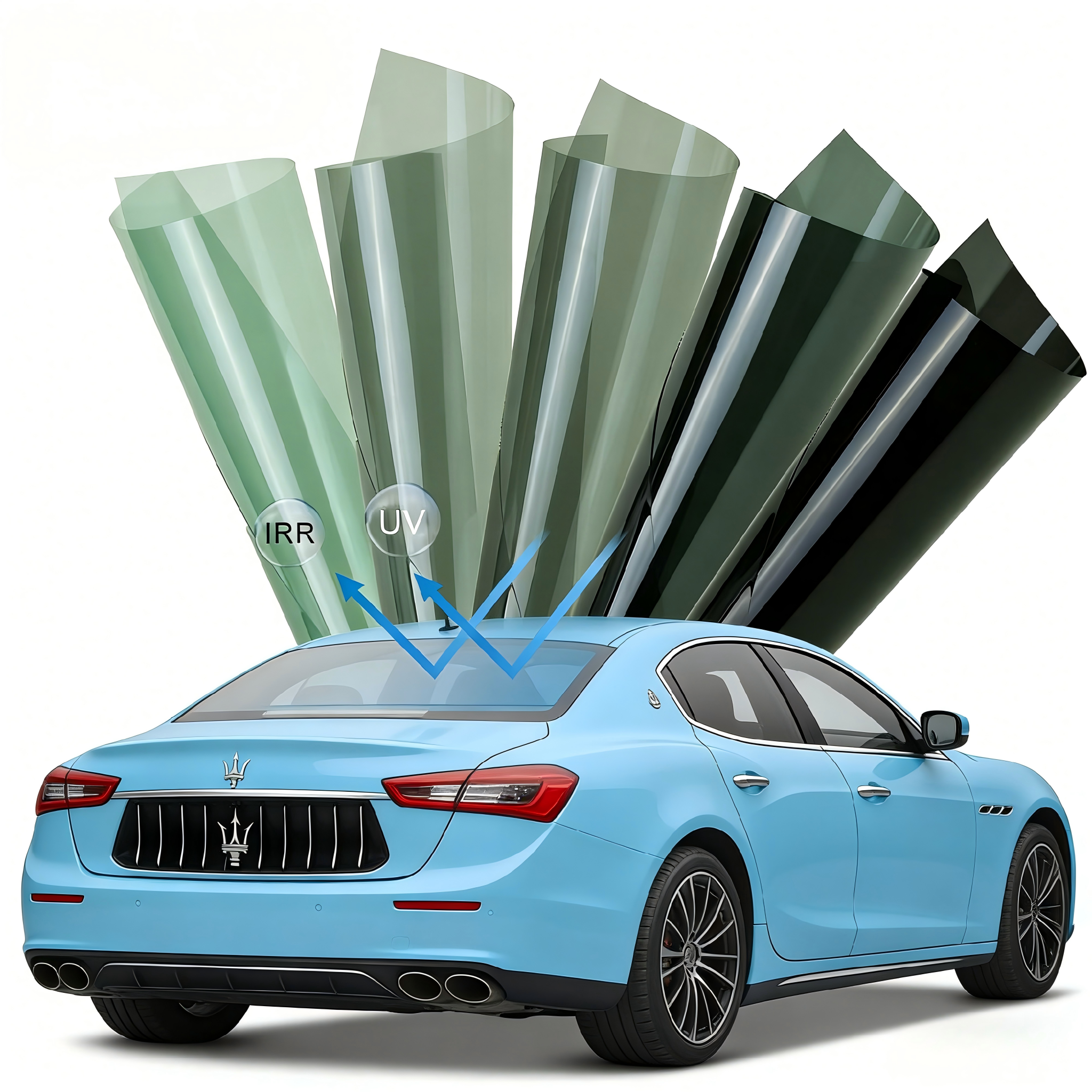
Thickness: 2mil
VLT Options: 70% / 60% / 40% / 20% / 10% / 5%
UV Rejection: ≥99%
IRR (Infrared Rejection): Up to 98% (97% / 96% / 93% depending on VLT)
Feature: UV Protection, Heat Rejection, Anti-Glare
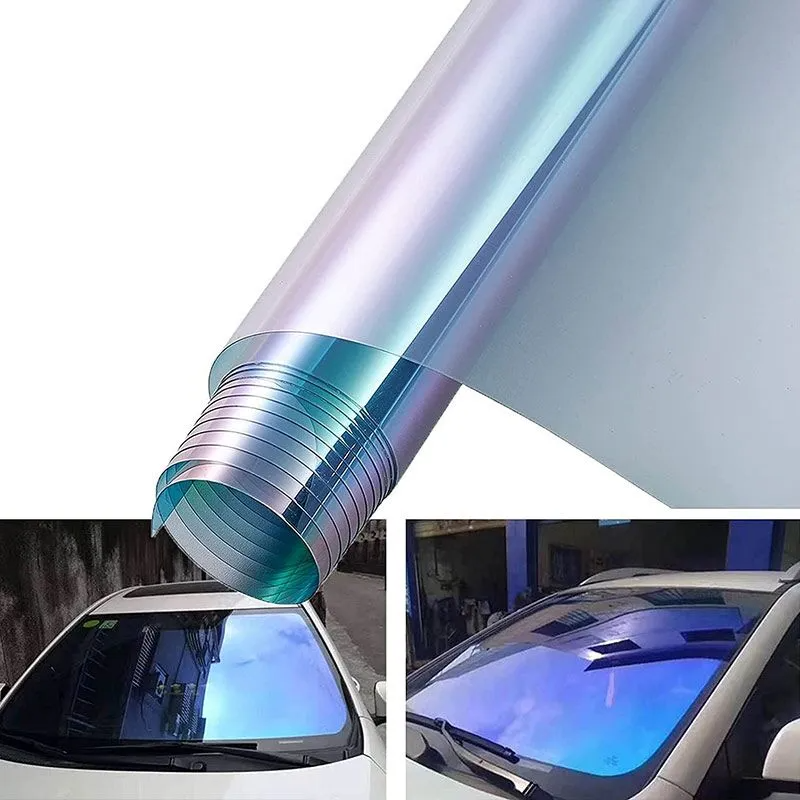
Thickness: 1.8 mil
VLT (Visible Light Transmission): 77%
Width: 1.52m (60 inches)
Length: 30m per roll
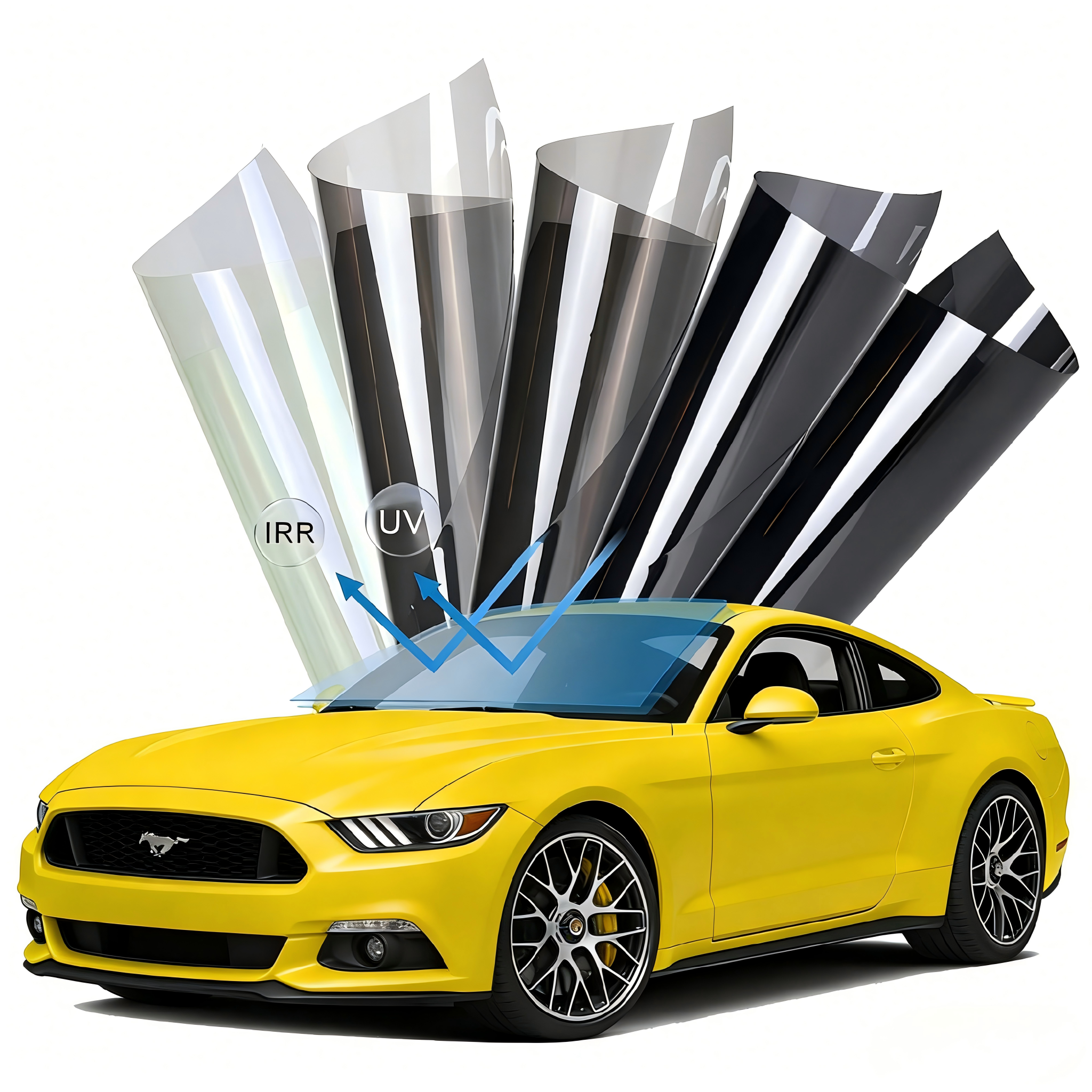
Thickness: 2 mil (0.05mm)
Width: 1.52m
Length: 30m per roll
UV Rejection: ≥99%
Adhesive: Self-adhesive glue (imported)
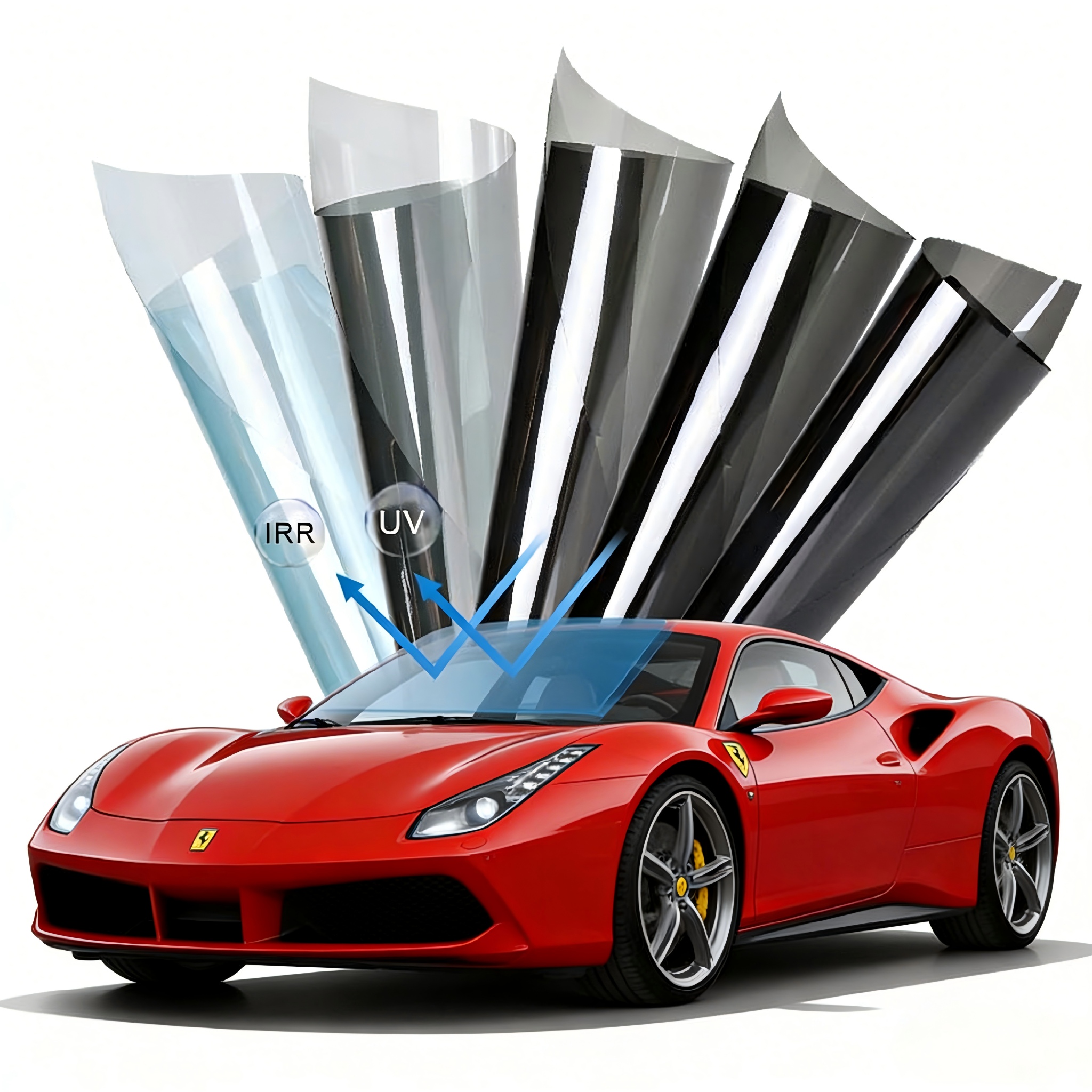
Thickness: 2mil
Width: 1.52m
Length: 30m per roll
VLT Options: 5%, 15%, 20%, 35%, 50%, 70% available
UV Rejection: ≥99%
Thickness: 1.2mil (0.03mm)
Width: 1.52m
Length: 30m per roll
UV Rejection: ≥99%
IR Rejection: 0.1
Why Decowell Car Window Film Deserves a Second Look
Let’s be honest for a second. When was the last time you really thought about your car windows? Not through them, but at them? Most of us treat automotive glass as just… there. A barrier between us and the wind. A button we push to pay for parking.
But if you’ve ever climbed into a car on a July afternoon and felt that wall of trapped, suffocating heat, or driven home at dusk with the glare of a setting sun blinding your rearview, you know that your windows are doing more than just showing you the road. They are the gateway between you and about six tons of solar energy.
And that is where Decowell steps into the spotlight. Not with flashy gimmicks, but with smart, silent technology that transforms your driving experience. This isn’t just about “tinting”; it’s about upgrading how you live inside your vehicle.
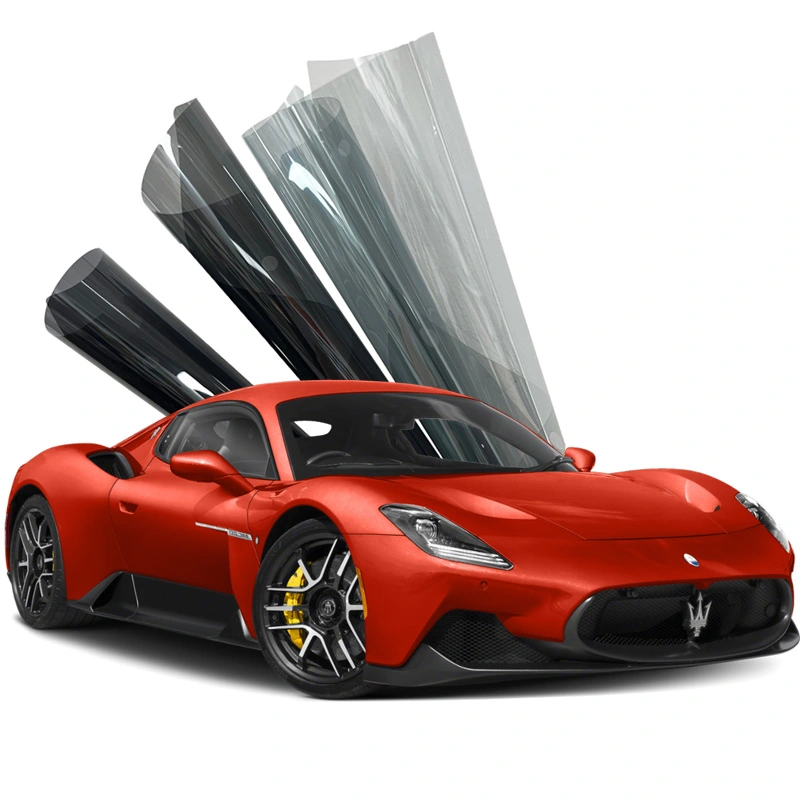
More Than Just a Shade: Understanding the “Why” Behind the Film
Walk into any shop and you’ll hear a dozen terms—ceramic, metalized, dyed, carbon. It’s easy to get lost in the jargon. But at its core, a high-performance window film like Decowell is a multi-layered PET (polyester) composite, engineered to fix the problems Mother Nature throws at you .
Think of your car as a greenhouse. Beautiful, but impractical. The sun blasts infrared radiation (the heat you feel), visible light (the glare you squint at), and ultraviolet rays (the silent ager of your skin and your dashboard).
Decowell film acts as a selective filter. It doesn’t just darken the room; it intelligently manages the energy coming in. The goal isn’t to hide from the world; it’s to make the world inside your car more comfortable.
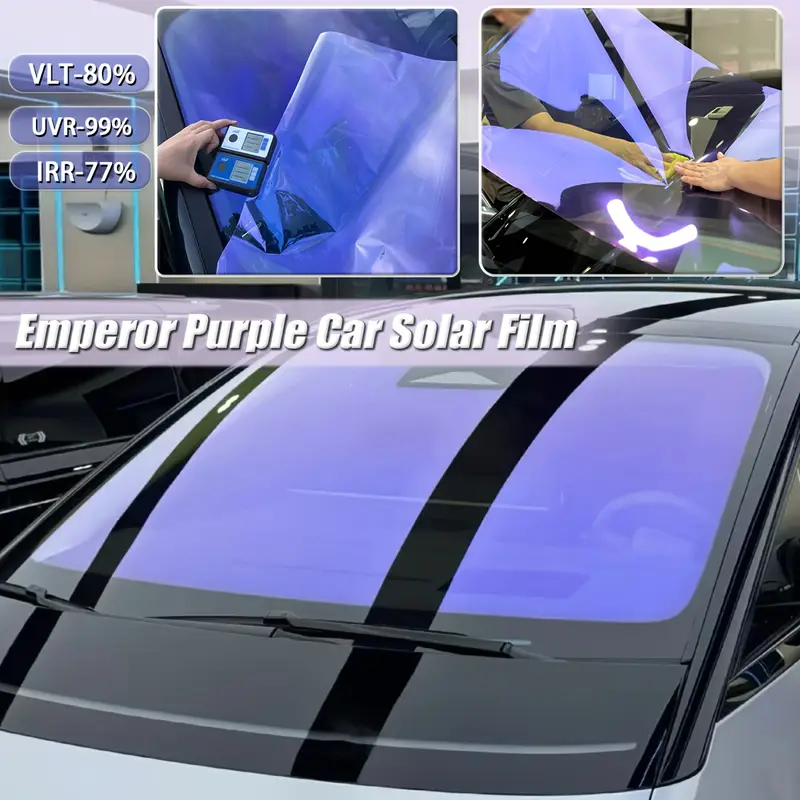
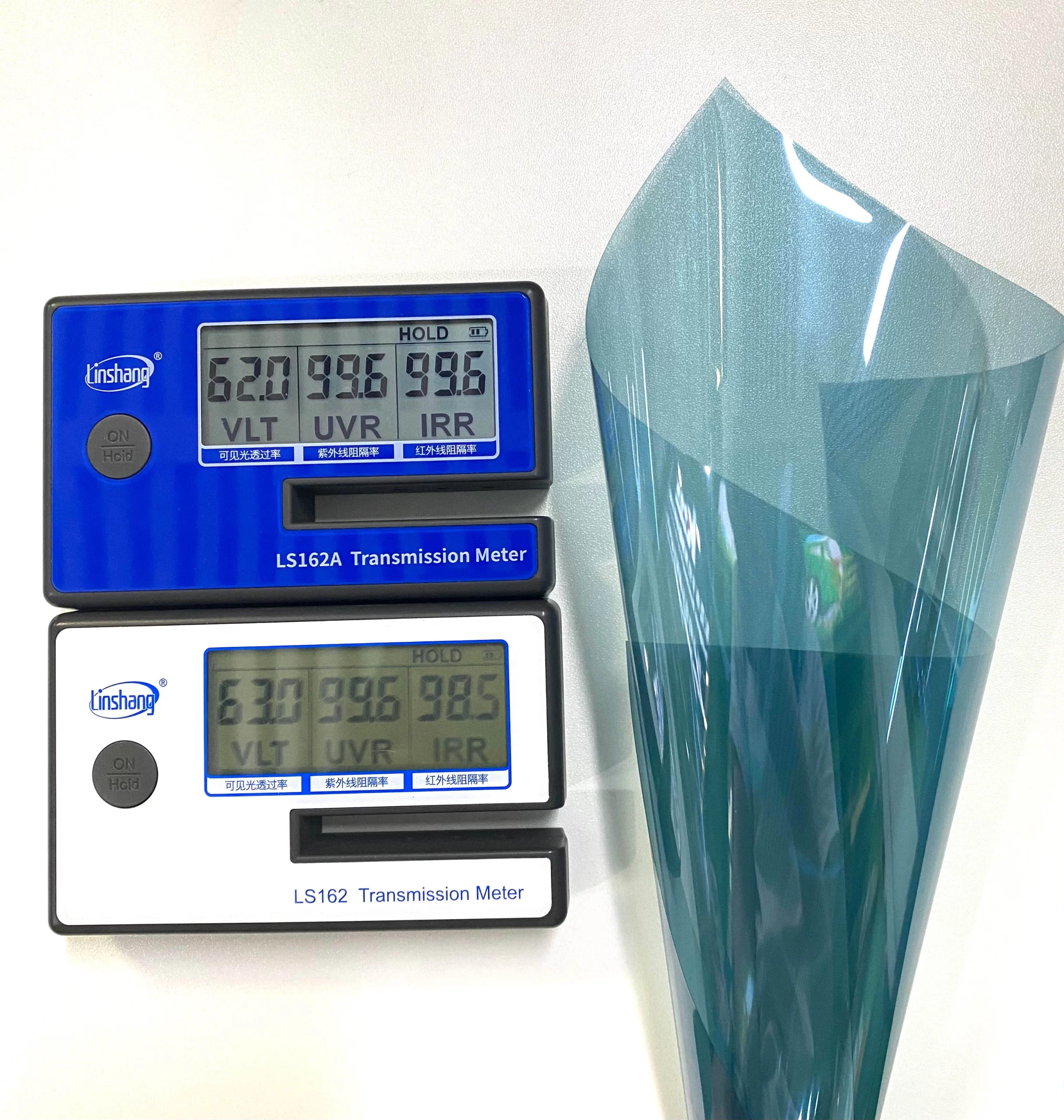
The Decowell Difference: What Sets It Apart
When we talk about car window film, we have to move past the idea of a one-size-fits-all approach. Every driver is different. Maybe you spend two hours commuting in stop-and-go traffic. Maybe you’re a road-tripper chasing horizons. Maybe you’re a parent shuttling kids who are sensitive to the sun.
Decowell film is designed to respect those differences by focusing on the metrics that actually matter.
1. The Heat Rejection Factor (Because Sweating Isn’t a Good Look)
We’ve all seen the thermal lamp demonstrations in stores. You put your hand under the light, and with the film, it feels cool. That’s not magic; that’s science. Specifically, it’s about TSER—Total Solar Energy Rejected.
High-quality films like Decowell excel here. By utilizing advanced technologies—whether nano-ceramic or sputtered metal layers—they actively reflect solar energy before it penetrates the glass . This means your air conditioning doesn’t have to work as hard. Your car cools down faster. You save a bit on fuel (or battery range), and you arrive at your destination without a damp shirt. For those living in sun-drenched states like Arizona, Florida, or Texas, this isn’t a luxury; it’s survival gear .
2. The 99% UV Solution: Caring for Skin and Interiors
Here’s a stat that might surprise you: UV rays can penetrate standard car glass. While windshields are usually laminated to block UVB, side windows often let in UVA rays, which are associated with skin aging and long-term damage. The Skin Cancer Foundation actually recommends window film as a layer of protection .
Decowell window film blocks 99% or more of ultraviolet rays . This isn’t just about preventing sunburn on a long drive. It’s about preservation. That dashboard that cracks, the leather seats that fade, the upholstery that loses its luster—UV exposure accelerates all of it. By installing Decowell, you are essentially putting sunscreen on your car’s interior, helping it hold its value and look newer for longer.
3. Clarity That Respects the Law and Your Safety
There is a dangerous myth that darker film means better protection. It doesn’t. In fact, going too dark on your front side windows can turn a rainy night drive into a guessing game.
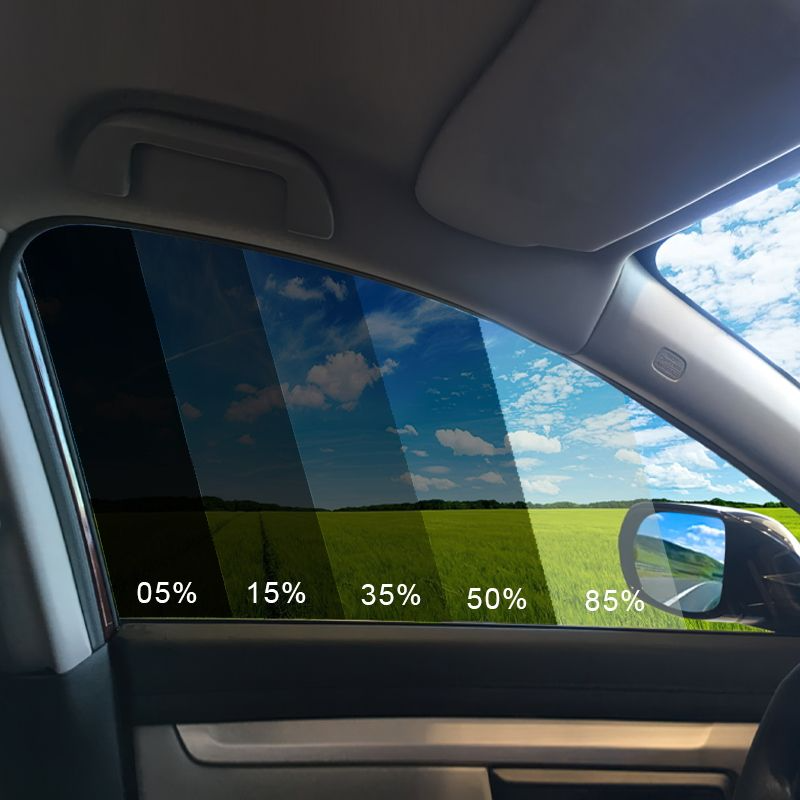
In the United States, VLT—Visible Light Transmission—is heavily regulated. Laws vary by state, but the front side windows typically require a higher VLT (allowing more light in) to ensure drivers can see pedestrians, cyclists, and hazards .
Decowell offers films that provide high heat rejection without sacrificing that crucial clarity. You get the performance without the “cave effect.” You can wave goodbye to the dealer freebie film that fogs up your vision and embrace a film that is optically clear, even in the shade variations . Whether you choose a subtle charcoal or a sleek black, the view from the inside out remains crisp and true.
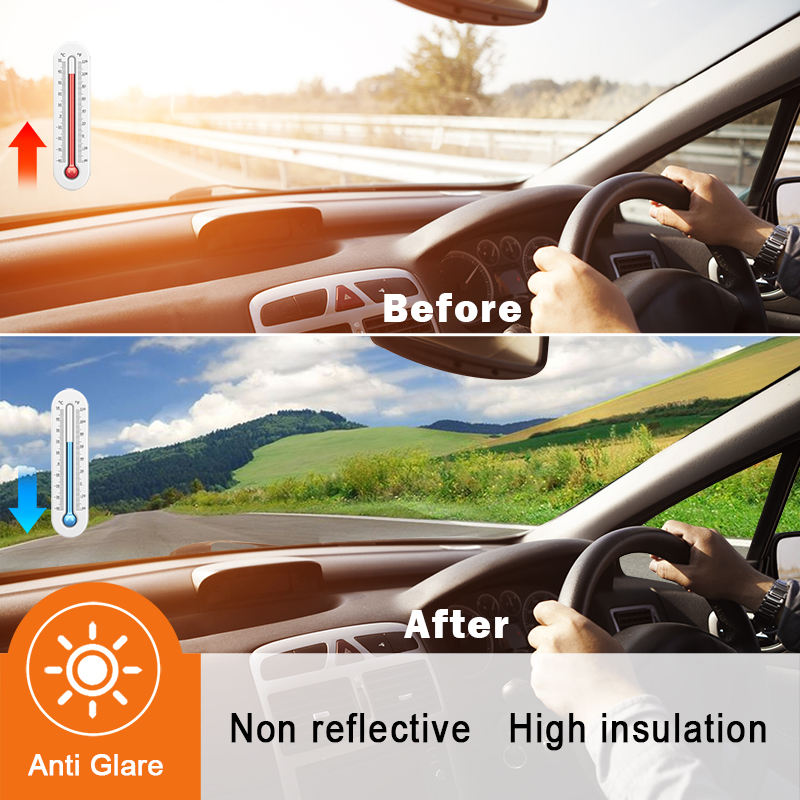
Navigating the Tech: Ceramic vs. Metal vs. Dyed
If you are browsing options for Car Window Film, you’ll quickly notice the price differences. Understanding the “why” helps you choose Decowell with confidence.
Dyed Films: These are the economy entry point. They use a dye layer to absorb solar heat and add privacy. However, they are the least effective at rejecting heat long-term and can fade or bubble over time . Decowell moves beyond this basic tech.
Metalized Films: These incorporate metal particles to reflect heat. They are durable and effective but come with a catch: they can potentially interfere with GPS, radio, or cellular signals . In our connected world, where we rely on 5G and Bluetooth, this is a significant consideration for many drivers.
Carbon and Ceramic Films: This is the sweet spot where Decowell shines. Ceramic film uses nano-ceramic technology that is non-conductive and non-metallic. It blocks impressive amounts of heat (often 40-50% TSER or more) and infrared radiation without interfering with your devices . It offers the highest clarity and resists fading and bubbling exceptionally well. For modern vehicles packed with electronics, Ceramic Film is the gold standard .
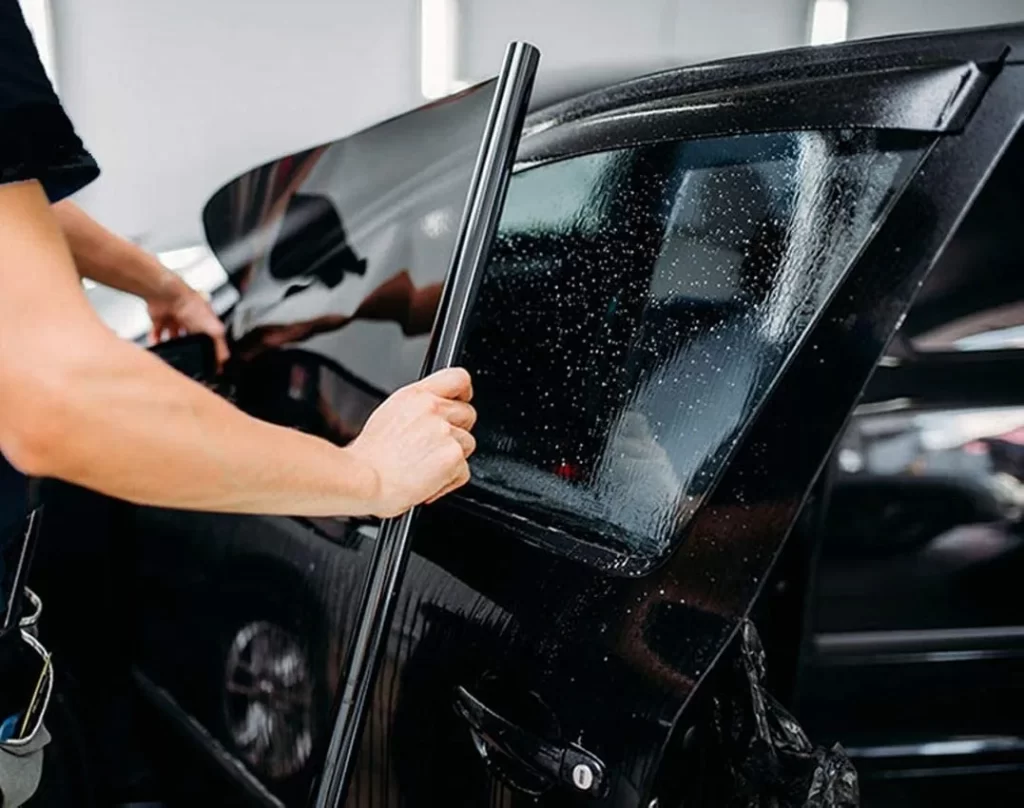
The Installation: Precision Matters
You could buy the best film in the world, but if it’s installed poorly, it will look like a bubble wrap experiment gone wrong.
Professional installation, like the kind recommended for Decowell products, is an art form. It starts with a meticulously clean surface—any speck of dust becomes a permanent blemish under the film . Installers use a heat gun to carefully shrink the film to fit the complex curves of your rear window or windshield, ensuring a perfect, wrinkle-free contour .
They spray a slip solution (soapy water) to position the film, then skillfully use a squeegee to evacuate every drop of moisture and trapped air . The final step, trimming the edges with a razor blade, is where craftsmanship meets precision. A proper installation means the edges are clean, sealed, and invisible.
Why Decowell is the Smart Investment
Let’s talk about the return on investment. A cheap window tint might save you a few dollars today, but it will cost you tomorrow. It will bubble. It will turn purple. It will offer minimal heat rejection, leaving your AC to scream for mercy .
Decowell is built for the long haul. It offers:
Durability: Resistance to peeling, bubbling, and discoloration backed by solid warranties .
Safety: While not a full security film, quality window film can help hold glass together in minor impacts, reducing the risk of shattering.
Privacy and Aesthetics: It gives your vehicle a cohesive, finished look. It keeps prying eyes out of your back seat or cargo area.
Comfort: It smooths out the temperature curve, making your car livable.
Frequently Asked Questions (FAQ)
Q: Will window film really keep my car cooler, or is that just a marketing claim?
A: It’s absolutely real. High-quality film like Decowell specifically targets the infrared spectrum of sunlight, which is responsible for most of the heat you feel. By rejecting a significant percentage of this infrared radiation, the interior temperature stabilizes, and your car heats up much slower when parked in the sun .
Q: Is it true that window film can block mobile phone or GPS signals?
A: It depends on the film type. Older-style metalized films contain metallic particles that can create a Faraday cage effect, potentially weakening signals. However, modern nano-ceramic films, which Decowell specializes in, are non-metallic and do not interfere with GPS, cellular, or radio waves . You can keep your connectivity without sacrificing heat protection.
Q: What happens if I get a ticket for my tint being too dark?
A: This is why understanding your local VLT laws is critical . Decowell offers a range of films with different Visible Light Transmission levels. By choosing a film that complies with your state’s legal limits for the front side windows, you avoid the risk of fines or being forced to remove the film. It’s always best to check local regulations before installation.
Q: How long does it take to install Decowell window film?
A: Installation time varies depending on the vehicle, but typically a full car can be done in 2 to 4 hours. However, the film needs time to cure. You will be asked to leave the windows rolled up for about 2 to 3 days (sometimes longer in colder weather) to allow the adhesive to fully dry and bond to the glass .
Q: Can I install the film myself to save money?
A: While DIY kits exist, professional installation is highly recommended. Installing film on curved automotive glass is tricky. Bubbles, creases, and contamination from dust are common pitfalls for beginners . A professional installer has the tools (heat guns, precise squeegees) and the clean-room environment to ensure a flawless, bubble-free finish that lasts.
Q: How do I clean my windows after they‘ve been filmed?
A: It’s simple! Wait at least 30 days for the film to fully cure. After that, use a soft, lint-free cloth and a non-ammonia-based cleaner. Avoid abrasive materials that could scratch the film surface .